




Bakhtiari Hand Knotted Carpet
These bakhtiari hand knotted carpet pieces bring Persian tribal weaving into a room, offering rich village designs and heavy wool construction.
Bakhtiari Hand Knotted Carpet
When searching for a bakhtiari hand knotted carpet, you encounter heavy tribal floor coverings originating from the Chahar Mahal region of western Persia. These pieces arrive in various formats, ranging from square village carpets to long corridor runners and smaller tribal rugs. The selection on this page centres on items produced across the late nineteenth and early twentieth centuries, spanning the 1880s through to the 1930s.
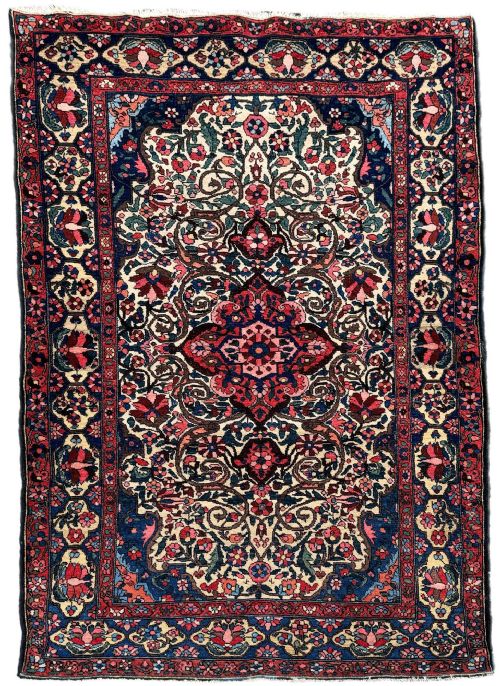
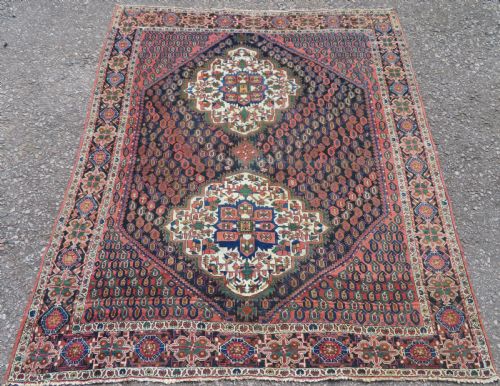
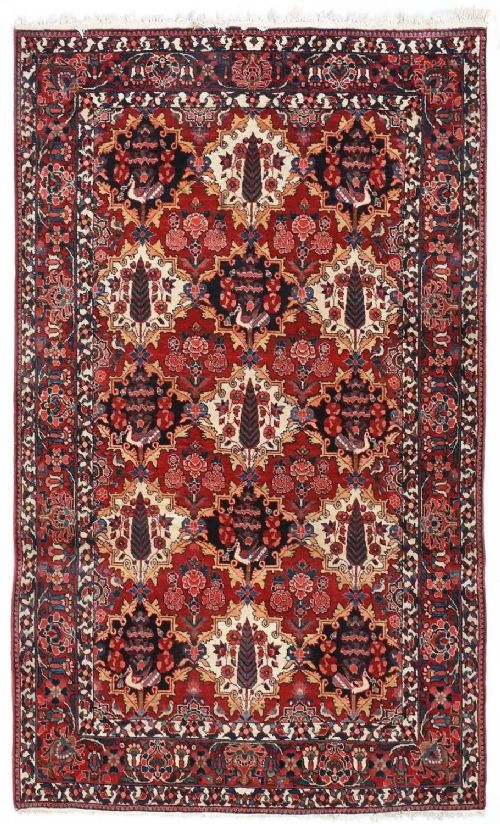
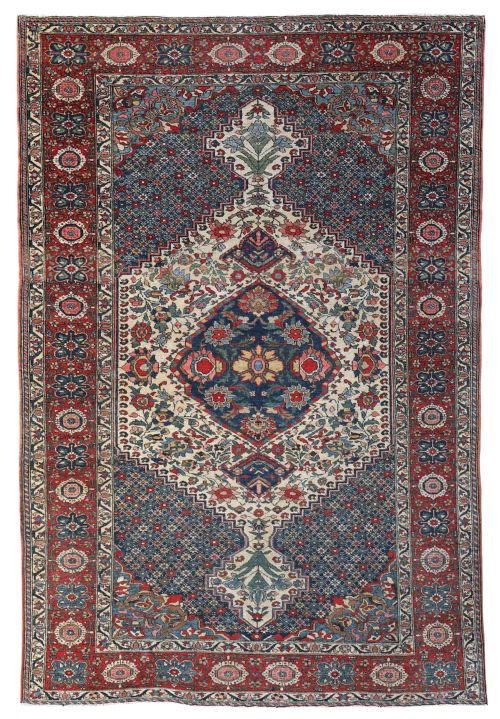
Most examples display traditional Persian village styles, including the distinctive garden design partitioned into compartment motifs, alongside floral medallions and tribal patterns. Certain pieces reflect influences from neighbouring Kurdish tribes sharing the western Persian landscape. You will also find specialised formats such as saddle bag fragments alongside standard floor coverings.
The aesthetic leans heavily into regional character, utilising patterns passed down through generations of weavers in western Persia. These items suit spaces requiring substantial floor presence, durable materials, and traditional tribal imagery. Each piece carries the distinct structural traditions of the Bakhtiari and associated regional tribes.
Materials and Construction
These carpets utilise durable wool pile knotted firmly onto cotton foundations, ensuring structural longevity for heavy daily use. The weavers employ natural dyes to achieve deep colour palettes that age gracefully over decades of exposure.
The hand knotting technique produces a dense, resilient pile capable of withstanding high foot traffic in corridors and living spaces. Artisans working in the village and tribal settings of western Persia construct each piece individually without industrial machinery.
Listings feature pieces utilising wool and cotton, dated from the nineteenth century through the 1930s.
Judging Quality and Execution
Quality rests in the tightness of the knotting and the crispness of the geometric or floral motifs rendered across the surface. Tighter structures yield sharper pattern definition and greater resistance to wear over time.
The choice and depth of natural dyes dictate the visual resonance of the carpet, with richer palettes elevating the overall presence. Condition, pile retention, and the integrity of the original side cords further distinguish finer examples from standard village work.
The Bakhtiari Hand Knotted Carpet Glossary
- Pile
- The upright yarn loops forming the soft surface of the carpet. This layer absorbs foot traffic and displays the woven design.
- Natural Dyes
- Colourants derived from plant, insect, and mineral sources rather than synthetic chemicals. These substances create nuanced tones that mellow pleasingly with age.
- Kelleh
- A long, narrow format of Persian carpet traditionally suited for specific room proportions. This rectangular shape functions well in hallways and galleries.
- Saddle Bag
- A utilitarian container woven in pairs for transport on animals, often retaining only one face in surviving fragments. These smaller pieces display concentrated tribal motifs.
Bakhtiari Hand Knotted Carpet: Frequently Asked Questions
How do I care for my carpet?
Vacuum gently without a rotating brush roll to protect the wool pile from unnecessary friction.
Keep the piece out of direct sunlight to preserve the natural dye colours over many years.
Where were these carpets made?
Production centres in the Chahar Mahal region of western Persia, woven by tribal and village artisans.
Communities including Kurdish groups also contributed to the diverse regional output seen in these pieces.
What is a garden design?
A compartmentalized layout featuring formal squares or rectangles filled with floral and botanical motifs.
This structured pattern mimics traditional Persian walled gardens divided by water channels.
How do I identify the age?
Examine the construction materials, dye characteristics, and structural wear indicative of late nineteenth or early twentieth-century production.
Stylistic markers and regional weaving traits help narrow the decade of origin.