



Authentic Nomadic Wool Weaving
Authentic nomadic wool weaving brings hand-knotted tribal carpets and utilitarian bags into your home, shaped by generations of nomadic makers.
Authentic Nomadic Wool Weaving
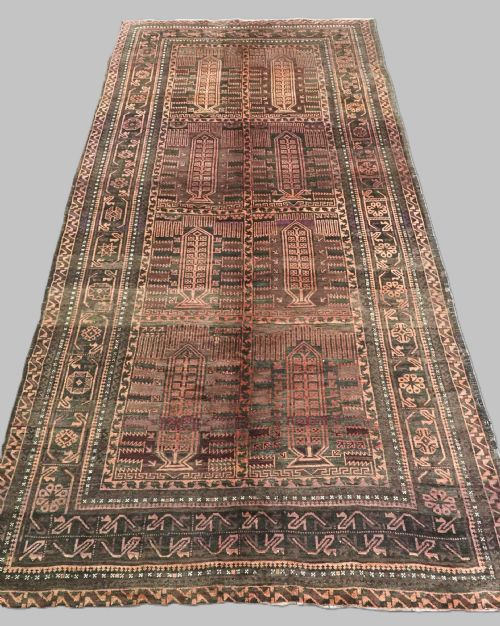
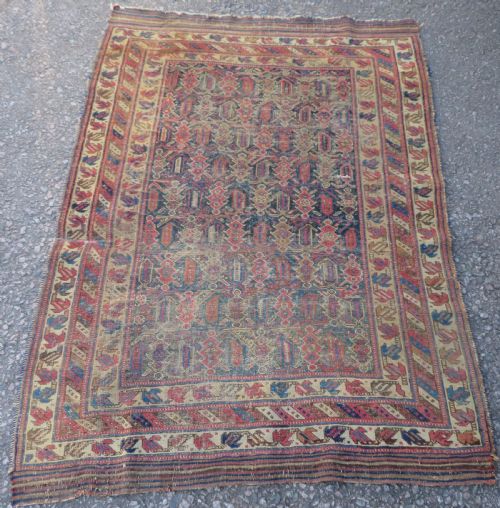
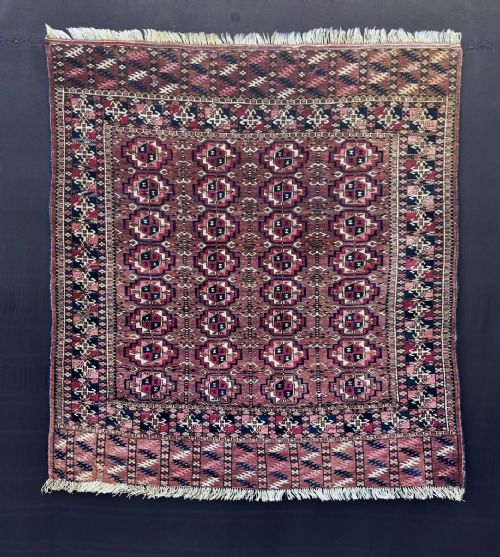
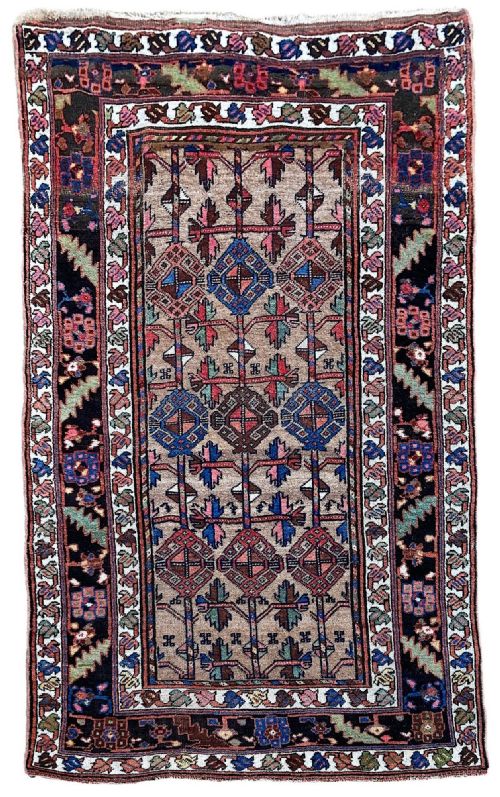
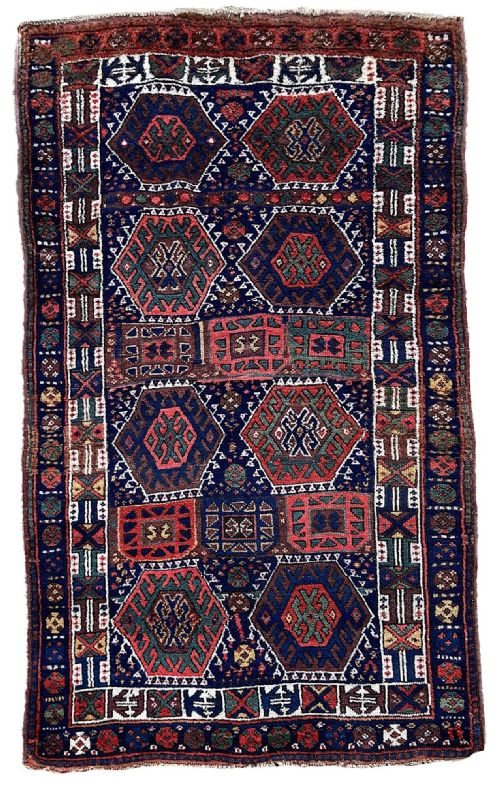
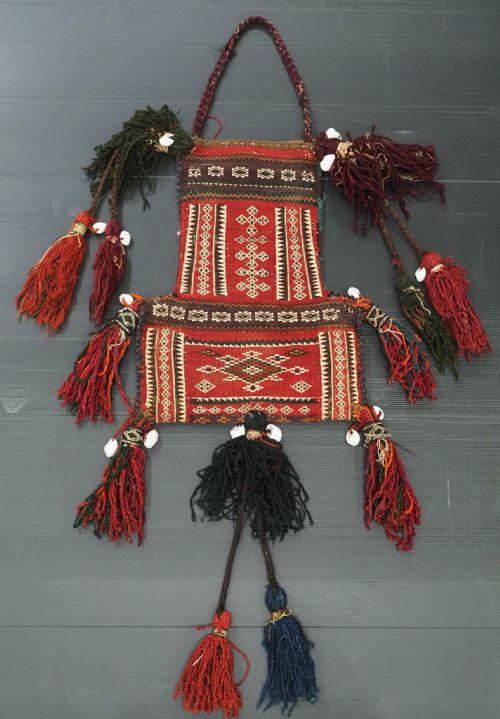
Authentic nomadic wool weaving comprises tribal rugs, bags, and covers created across Central Asia, Persia, and Anatolia. These pieces include main carpets, storage sacks, salt bags, and horse blanket covers originating from traditions such as the Turkmen, Kurdish, Afshar, and Baluch groups.
The objects on this page range in date from the eighteenth century through the early twentieth century. Common formats take the form of small torba bags, chuvals, and Sofreh dining rugs made for functional nomadic life.
Materials and Construction
Weavers utilised hand-spun wool alongside cotton foundations and goat hair bindings, sometimes incorporating cowrie shells and leather for utility or decoration. Natural dyes provide the palette across these textiles.
Construction methods rely on traditional pile knots and flatweave techniques tailored to portable upright or horizontal looms. Many pieces retain original plain weave backs and specialised banded weft work.
Object types include Baluch storage bags, Afshar bread sofars, Tekke torbas, and Qashqai horse blanket covers.
Assessing Quality
Quality rests in the integrity of the original structure, evident in complete backs on storage bags and intact borders on carpets. The precision of tribal gul motifs and structural balance separate standard examples from finer works.
Depth and saturation of natural dye colours contribute significantly to the visual impact of each piece. Longevity depends upon the tightness of the wool knotting and the preservation of the original pile.
The Authentic Nomadic Wool Weaving Glossary
- Chuval
- A large storage bag made by Turkmen and other nomadic groups for household goods. These pieces frequently feature multiple gul medallions.
- Torba
- A smaller storage bag used within the nomadic tent for personal possessions. They often display complete original backs and precise tribal patterning.
- Sofreh
- A flatweave or pile rug utilised during communal dining or bread making. These textiles originate largely from Persian nomadic tribes.
- Gul
- A medallion motif repeated across Turkmen and Central Asian weaving. Each design traditionally identifies a specific tribal group or clan.
- Namakdan
- A specialised salt bag produced by nomadic weavers. These items typically feature narrow necks and hooked designs.
Authentic Nomadic Wool Weaving: Frequently Asked Questions
How were these bags used?
Nomadic groups utilised these woven bags inside tents for storing household provisions, bedding, and grain. Salt bags and storage sacks served daily utilitarian purposes during seasonal migrations.
Over time, these functional textiles transitioned into valued decorative objects while retaining their original structural integrity and tribal designs.
Where do these pieces originate?
These textiles originate from various nomadic and tribal regions across Persia, Central Asia, and Anatolia. Distinct groups such as the Tekke, Yomut, Afshar, and Kurdish tribes developed recognizable weaving styles.
Geography and local materials heavily influenced the specific wool types, dye palettes, and structural motifs found in each region's output.
How should I care for an antique rug?
Protect antique wool textiles by placing them in low-traffic areas away from direct sunlight. Regular gentle vacuuming without a rotating brush helps remove embedded dust.
Professional textile conservators should handle any necessary washing or structural repairs to preserve the natural wool fibres and vegetable dyes.
How do I identify different tribal styles?
Tribal attribution relies on recognising specific structural patterns, border arrangements, and repeating motifs such as guls. Turkmen pieces often display geometric medallions, whereas Persian tribal works may incorporate animal and plant forms.
Examining the weave density and back construction provides further clues to the specific group and period of origin.