



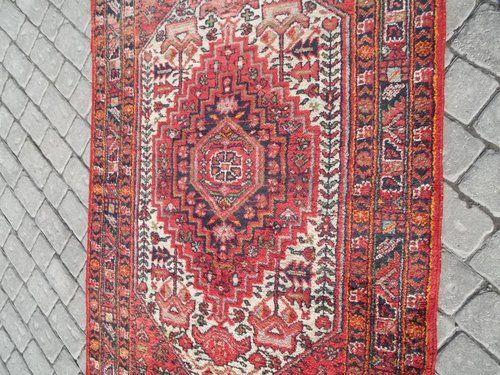
Authentic Handwoven Persian Carpet
An authentic handwoven persian carpet brings genuine nomadic and village artistry into a room, offering durability and rich storytelling through pattern.
Authentic Handwoven Persian Carpet
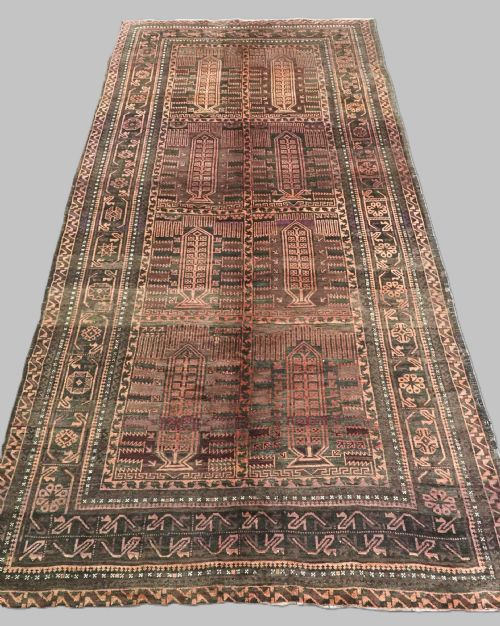
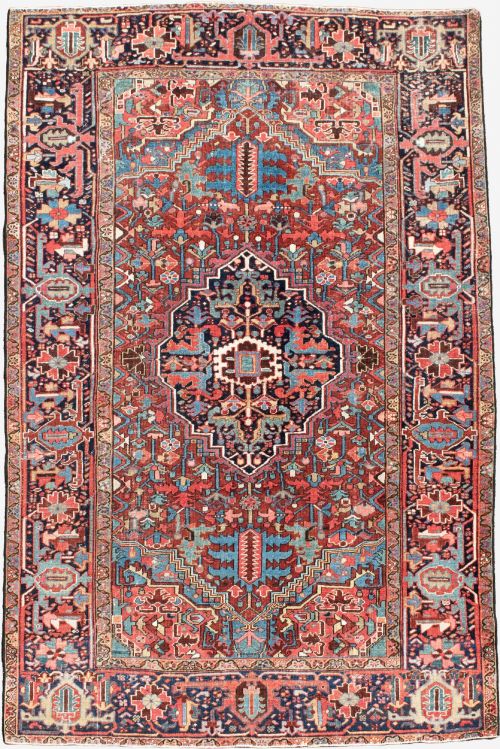
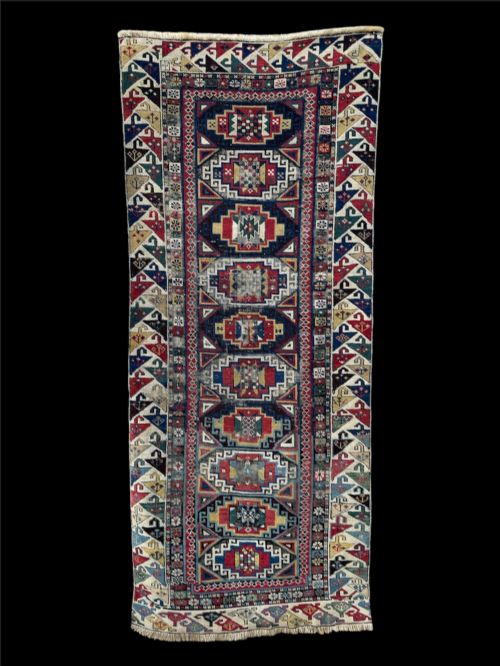
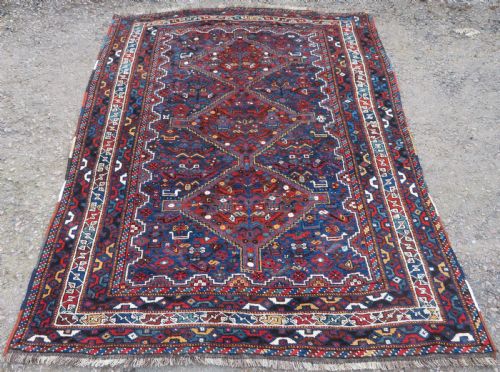
When you search for an authentic handwoven persian carpet, you encounter floor coverings woven by tribal groups, village workshops, and larger weaving centres across Persia and the Caucasus during the nineteenth and early twentieth centuries. These pieces encompass specific regional identities such as Heriz, Bakhtiar, Kirman, Tabriz, Sarab, and Afshar, alongside pieces made by Kurdish, Baluch, Timuri, Shirvan, and Lor tribes.
The most common forms on this page are room-size carpets, smaller area rugs, and narrow runner rugs, often spanning dates from the late nineteenth century through the nineteen-twenties. Buyers seek these items for their traditional motifs, geometric medallions, and the distinct character brought by individual tribal weavers.
You also find flatwoven Sofreh kilims intended for dining use, showcasing the diverse textile traditions of western Persia. Each piece reflects the specific heritage and knotting techniques of the region where it was produced.
How these carpets were made
The materials recorded in the evidence rely primarily on wool pile foundation structures, cotton foundations, and occasional camel hair accents. Weavers knotted these natural fibres by hand on vertical or horizontal looms, utilising locally sourced sheep wool that absorbed natural dye stuffs deeply.
The structural integrity depends on the interplay between the wool pile and the underlying warp and weft threads, which range from sturdy cotton to resilient wool. Flatweaves like kilims dispense with the pile entirely, relying on tightly interlaced warp and weft threads to create flat, durable textiles.
A dining kilim invites you to imagine nomadic feasts spread out across the earthen floors of Luristan tents.
What varies in quality
Quality in these carpets rests on the precision of the knotting, the handling of traditional designs, and the balance of the regional colour palette. Finer village and city carpets display intricate geometric or floral execution, whereas tribal pieces show bolder, more eccentric interpretations of classic motifs.
The condition of the wool pile and the structural soundness of the sides and ends dictate the overall integrity of the textile. Pieces retain more desirability when the pile remains dense and the natural dyes have aged with desirable depth across the surface.
The Authentic Handwoven Persian Carpet Glossary
- Pile
- The raised surface of a carpet formed by the cut ends of knotted yarn. This wool layer provides the soft texture and absorbs the primary visual design.
- Warp
- The stationary vertical threads stretched onto the loom before weaving begins. The fringe of the carpet typically consists of these extended warp threads.
- Weft
- The horizontal threads passed alternately over and under the warp threads to bind the knots in place. Together with the warp, it forms the foundational grid of the textile.
- Kilim
- A flatwoven carpet or rug made without a pile. These pieces are constructed by tightly interlocking warp and weft threads to form geometric patterns.
- Sofreh
- A specialised dining kilim or spread used historically for serving meals among Lor tribes. These textiles feature utilitarian designs connected to nomadic domestic life.
- Medallion
- A large central ornamental design motif placed in the middle of the carpet field. Many Heriz and Tabriz carpets utilise this focal anchor.
Authentic Handwoven Persian Carpet: Frequently Asked Questions
How do I clean an old carpet?
Professional specialist cleaning is essential for antique pile carpets and flatweaves to protect fragile natural wool fibres and traditional dyes. Harsh household detergents cause irreversible damage.
Regular gentle vacuuming without a rotating brush helps remove surface dust without straining the aged cotton or wool foundation.
Can I place these on heated floors?
Underfloor heating can dry out natural wool and camel hair over time, making the foundation brittle. Using a breathable, natural underlay helps mitigate direct thermal stress.
Monitoring the temperature ensures the textile does not suffer from excessive heat exposure during colder months.
How do I identify a tribal rug?
Tribal rugs typically feature asymmetrical geometric motifs, irregular medallions, and symbolic animal or plant forms dictated by nomadic tradition rather than strict city cartoons. The use of saturated wool and camel hair often points towards groups like the Baluch, Kurdish, or Afshar.
Village pieces display local variations in palette and structure that separate them from standardised urban workshop productions.
Are runners suitable for hallways?
Runners like those from Sarab or Shirvan fit narrow corridors and staircases effectively, provided they receive even foot traffic. A quality underlay prevents slipping and cushions the impact against hard floors.
Rotating the runner periodically ensures that wear distributes evenly along the length of the pile.