





Austrian Porcelain Cabinet Plate
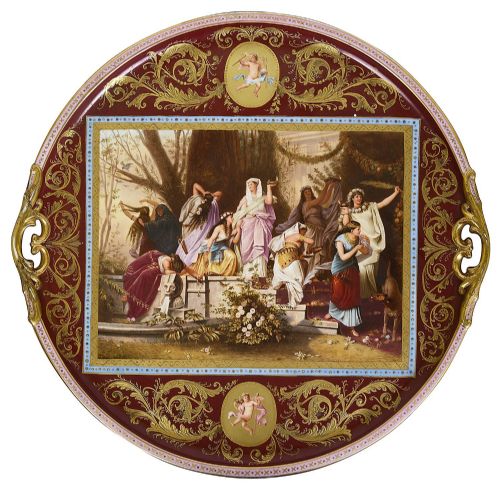
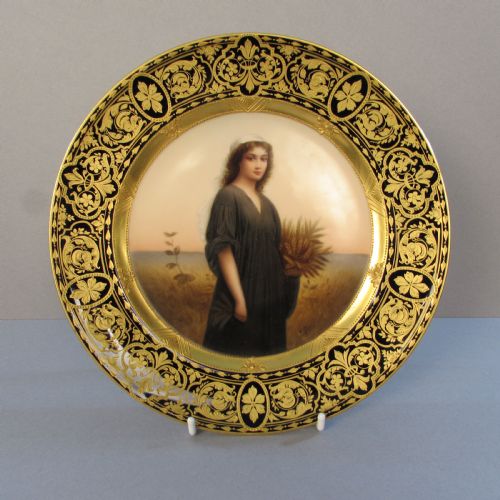
These pieces of Austrian porcelain cabinet plate are hand-painted display items sought after for their elaborate mythological and historical scenes.
Austrian Porcelain Cabinet Plate
An austrian porcelain cabinet plate is a decorative ceramic object produced primarily during the nineteenth century, designed to be showcased on walls, shelves, or cabinets rather than used for dining. The pieces seen here encompass wide chargers, circular trays, and standard display plates featuring detailed figurative paintings.
Most examples belong to the Vienna style or Vienna historicism movements, reflecting neoclassical aesthetics through ornate borders and narrative artwork. Painters depicted classical mythology, biblical stories, and literary figures such as Venus, Othello, and Aurora upon the glazed ceramic surface.
The forms range from modest plates to large chargers measuring up to fifty centimetres in diameter. Collectors meet these items in various nineteenth-century periods, including specific dates around eighteen fifty and eighteen ninety, alongside later twentieth-century interpretations.
How they were made
Makers utilised fine porcelain as the primary base, shaping it into broad plates, trays, and chargers before applying white or tinted glazes. Artisans then painted complex figurative compositions by hand, often incorporating cobalt blue grounds.
The decoration relies heavily on gold leaf, gilt, and gilding to create rich, reflective borders and intricate framing around the central painted panels. Enamel pigments provided the vibrant colours required for the detailed narrative scenes.
Othello and the wise and foolish virgins share plate space with mythological figures like Venus.
What varies in quality
The division between standard and superior pieces rests largely upon the skill of the painter and the complexity of the artwork. Plates featuring finely rendered figurative expressions and named classical subjects stand apart from simpler decorative borders.
The application of cobalt glaze and the density of the gold leaf work also distinguish finer examples. Signed works by specific artists demonstrate superior craftsmanship compared to unmarked production.
S. Stanley·Sibl·Wagner
The Austrian Porcelain Cabinet Plate Glossary
- Cabinet plate
- A decorative ceramic plate intended for display in a cabinet or on a wall rather than for practical table use. These items usually feature elaborate painted scenes and gilded borders.
- Charger
- A large decorative plate or tray, significantly broader than standard tableware. These large surfaces allowed artists to paint expansive narrative and mythological compositions.
- Cobalt glaze
- A deep blue metallic oxide colouring applied beneath the glaze to create rich background tones. This pigment withstands high kiln temperatures without losing its intensity.
- Gilding
- The application of gold leaf or powdered gold onto the ceramic surface to ornament edges and borders. It adds a reflective quality that enhances the neoclassical aesthetic.
- Neoclassical style
- An artistic movement drawing inspiration from the art and culture of classical antiquity. It manifests in these plates through formal balance, classical figures, and restrained architectural motifs.
Austrian Porcelain Cabinet Plate: Frequently Asked Questions
What is an austrian porcelain cabinet plate?
These items are decorative ceramic display pieces rather than functional tableware. They were produced primarily in the nineteenth century to showcase detailed hand-painted artwork.
Most examples feature classical mythology, historical scenes, or literary subjects framed by cobalt blue and heavy gilding. Collectors mount them on walls or display them on stands.
How were these plates used?
These pieces were created exclusively for interior display in drawing rooms and cabinets. Their delicate enamel painting and extensive gold leaf meant they were unsuitable for daily dining.
Owners mounted them on specialised wall brackets or placed them on sturdy plate stands. They served as conversation pieces reflecting the owner's cultural interests.
How do you date nineteenth-century plates?
Dating relies on stylistic indicators such as the presence of Vienna historicism or neoclassical revival motifs. Specific markers include handwritten titles on the reverse and artist signatures.
Comparison with documented periods helps narrow down the production era. Materials like cobalt glaze and heavy gilding also point towards specific nineteenth-century decades.
Who painted these porcelain scenes?
Skilled porcelain painters executed the detailed figurative artwork, sometimes signing their work on the front of the plate. Artisans such as Wagner and S. Stanley left their names on notable surviving pieces.
These painters drew inspiration from classical mythology, opera, and literature. Their work required precise brushwork with enamel colours on a curved ceramic surface.