



Austrian Cold Painted Metal
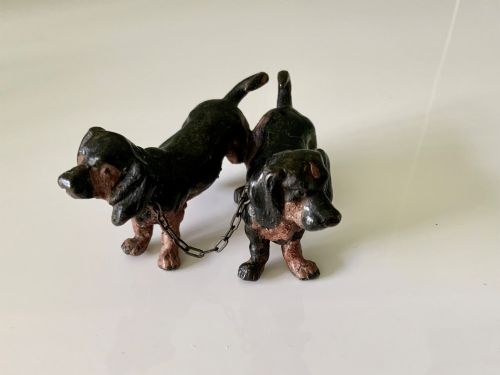
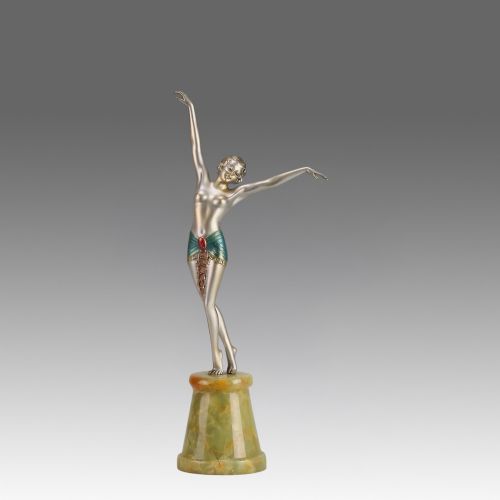
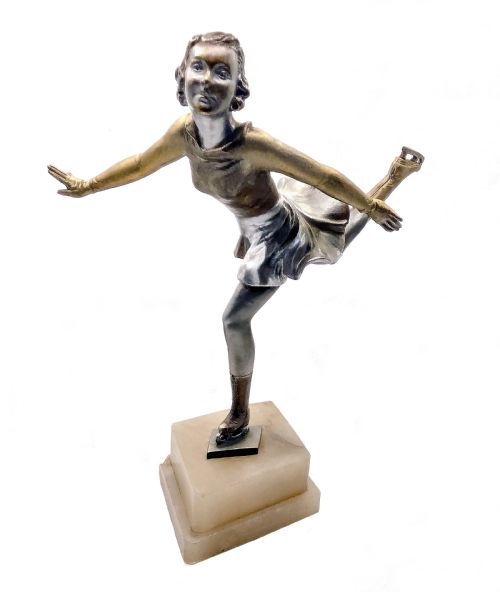
Austrian cold painted metal brings lively colour and remarkable character to desks and cabinets through miniature animal figures and human statuettes.
Austrian Cold Painted Metal
The objects appearing here span the Victorian, Edwardian, and Art Deco periods, encompassing Vienna bronze traditions alongside spandrel pieces in spelter. Animal figurines and desk tidies dominate the selection, often mounted on onyx plinths or fashioned as standalone subjects.
Makers working within Vienna and wider Austrian workshops produced these items to satisfy a European appetite for novelty and exoticism. You find subjects varying from domestic dogs and game birds to Orientalist figures and sporting scenes.
How they were made
Foundries cast these figures in bronze or spelter using traditional methods before applying oil- or varnish-based paints directly onto the cold metal without firing. This technique produces a characteristic matte surface texture that adheres to the underlying metal contours.
Many items incorporate functional elements such as hinged inkwell lids or integrated pin cushions mounted on natural onyx bases. Artisans detailed the surfaces manually, creating varied plumage, fur, and costume textures across each individual casting.
Austrian Cold Painted Metal Retail Price Guide 2026
Typical asking prices for austrian cold painted metal among the pieces listed under this phrase on Sellingantiques today, from the lower quarter to the upper quarter. They describe what is for sale here now, not the wider market.
Listings feature materials including bronze, spelter, onyx, and enamel across Victorian to Art Deco periods.
What varies in quality
The distinction between ordinary production and superior work rests on the crispness of the initial casting and the sensitivity of the hand-painted surface details. Finer examples display subtle shading on animal fur and feathers, whereas lesser pieces show flat, uniform colour application.
Complexity of form and ingenuity of design further separate standard items from exceptional ones, particularly in multi-figure compositions and functional objects like inkwells and desk tidies. The preservation of the original painted finish dictates the overall integrity of the piece.
Franz Bergman·Josef Lorenzl·Stephan Buchinger
The Austrian Cold Painted Metal Glossary
- Cold-painted bronze
- A bronze sculpture finished with paint applied to cold metal rather than fired in a kiln. This method yields a distinct matte appearance that requires careful handling.
- Vienna bronze
- Small, highly detailed bronze figures produced in Austrian workshops during the late nineteenth and early twentieth centuries. These pieces often depict animals, human figures, and humorous or Orientalist scenes.
- Spelter
- A zinc alloy frequently utilised as a less expensive alternative to bronze for figural castings. Figures in this material often date to the Art Deco period.
- Animalier
- A nineteenth-century artistic style focusing on the realistic portrayal of animals. Sculptors working in this tradition studied animal anatomy closely.
- Orientalism
- Artistic themes inspired by Middle Eastern and North African cultures popular in European decorative arts. Figures often portray individuals in traditional regional dress.
Austrian Cold Painted Metal: Frequently Asked Questions
Are inkwells still usable?
Most antique inkwells retain their original ceramic or glass inserts, but modern use risks staining the historic metal and interior components. Collectors generally preserve them as decorative desk accessories rather than filling them with ink.
Displaying them closed protects the interior mechanisms and maintains the visual integrity of the sculpture.
What is cold painting?
Cold painting involves applying oil- or varnish-based paints to metal castings without the high-temperature firing used in enamel work. This technique allows for subtle colour shading and fine detail across the surface of the bronze.
Because the paint sits on top of the unheated metal rather than fusing with it, surviving examples often show natural wear from handling.
How do I identify Vienna bronzes?
Look for exceptional anatomical detail, expressive subject matter, and small scale typical of Austrian foundries from the late nineteenth and early twentieth centuries. Many pieces carry Bergman foundry marks or subtle artist signatures, though unsigned examples remain common.
The weight and colour of the underlying metal combined with the specific matte texture of the paint offer strong clues to origin.