



Austrian Art Nouveau Sculpture
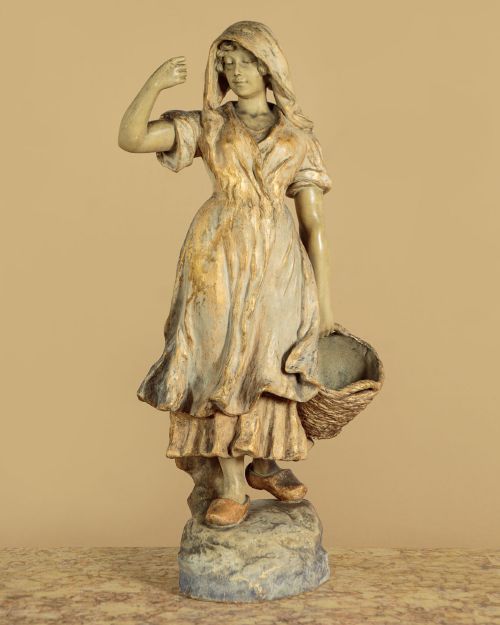
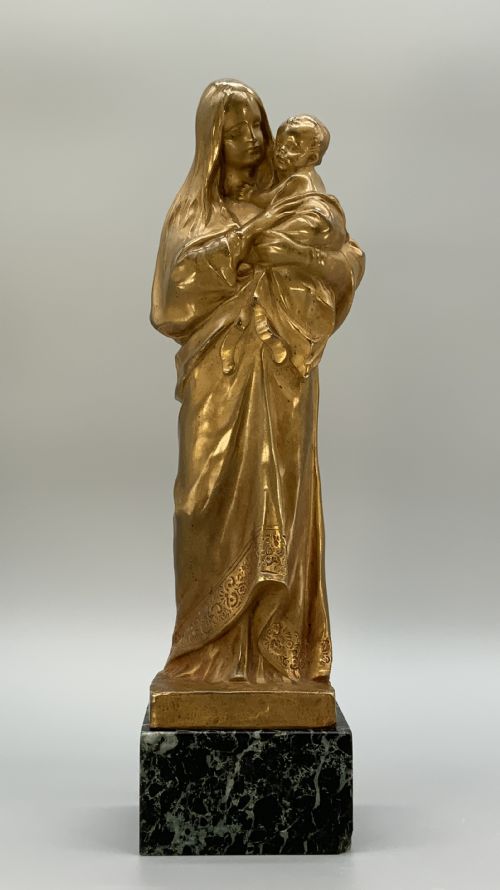
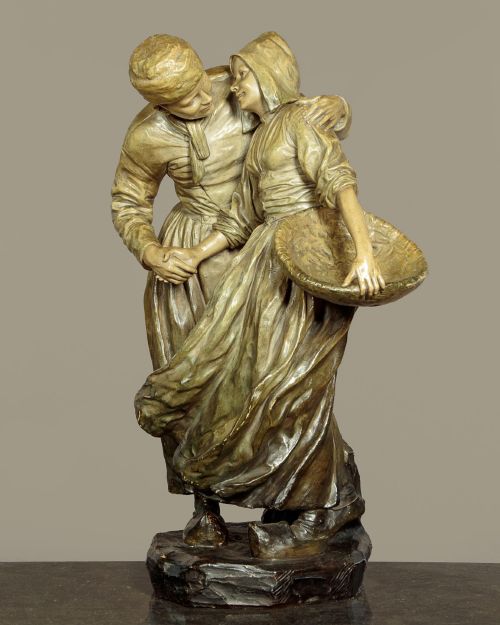
Austrian art nouveau sculpture brings expressive figurative forms and rich patination into a room, capturing the spirit of the period.
Austrian Art Nouveau Sculpture
When someone searches for austrian art nouveau sculpture, they are looking at decorative figures, busts, and small bronzes produced during the turn of the twentieth century. These pieces reflect the dominant aesthetic of Vienna and broader Austria between eighteen ninety and nineteen twenty.
The most common examples on this page are terracotta and earthenware figures by major factories, alongside cold-painted bronze studies. Many depict female allegories, classical figures, or genre subjects rendered with flowing lines characteristic of the style.
Distinguishing quality
Quality rests in the crispness of the modelling and the sensitivity of the hand-finishing, particularly in the facial expressions and drapery of the figures. Finer bronzes retain sharp chiselling and subtle cold-painted hues that do not look flat.
In ceramics, superior examples show precise detail in the slip-casting and careful hand-painting that preserves the nuances of the original design. Heavier, well-fired terracotta and substantial marble bases indicate a higher standard of manufacture.
Listings feature periods spanning from eighteen ninety through nineteen twenty, alongside the nineteenth century.
Goldscheider·Rudolf Küchler·Hans Müller·Carl Kauba·Franz Bergman·Ernst Wahliss
The Austrian Art Nouveau Sculpture Glossary
- Terracotta
- A porous fired clay used widely for figurative sculpture. It takes paint and glaze readily for decorative finishes.
- Cold-painted bronze
- Bronze sculpture finished with oil-based paints applied after casting, rather than fired into the metal. This technique allows for complex polychrome details.
- Slip cast
- A manufacturing method where liquid clay is poured into a plaster mould to create hollow figures. It permits complex undercuts and repeatable forms.
- Vienna bronze
- Small, highly detailed bronze figures produced in Austrian foundries, frequently cold-painted. They often depict animals, human figures, or humorous scenes.
Austrian Art Nouveau Sculpture: Frequently Asked Questions
What is cold-painted bronze?
Cold-painted bronze refers to metal figures decorated with layers of paint applied after the casting process is complete. This method allowed artisans to introduce vivid colour without subjecting the pigments to high kiln temperatures.
Over time, handling can cause these delicate painted surfaces to show natural wear, which collectors often use to gauge the age and originality of a piece.
How do I identify a Goldscheider piece?
Goldscheider pieces typically appear as terracotta, earthenware, or bronzed slip-cast figures reflecting turn-of-the-century styles. Many bear factory stamps, signature impressed numbers, or artist names directly in the clay.
The subject matter often includes female allegories, maidens, and literary or orientalist characters modelled with distinct fluidity.
Where were these sculptures made?
These sculptures were produced primarily in workshops and factories centred around Vienna during the late nineteenth and early twentieth centuries. Major firms employed skilled modellers and ceramicists to supply both domestic and international markets with fashionable ornaments.
Production spanned specialised bronze foundries and large ceramic manufactories alike.
How should I clean terracotta sculptures?
Terracotta requires gentle maintenance because the fired clay is porous and sensitive to moisture. Dusting with a soft, dry brush is the safest way to keep the surface clear.
Water and liquid cleaners should be avoided entirely to prevent staining or softening the painted and slipped finishes.