


Athletic Bronze Figure
An athletic bronze figure captures human physical power and movement, offering collectors a striking piece of sculptural art for the home.
Athletic Bronze Figure
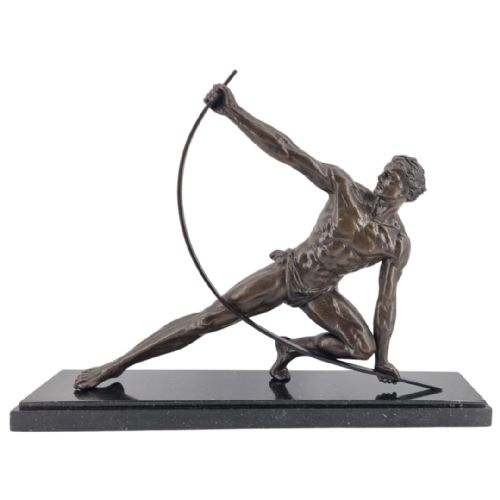
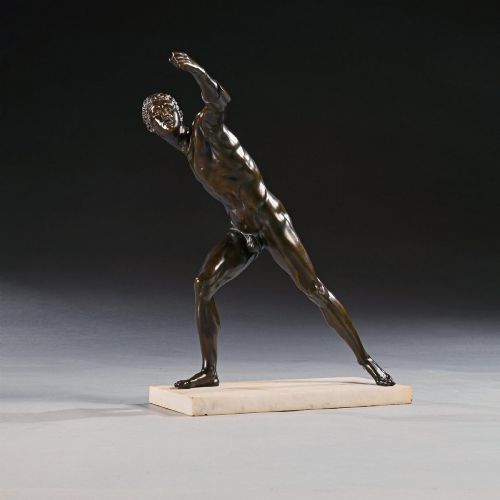
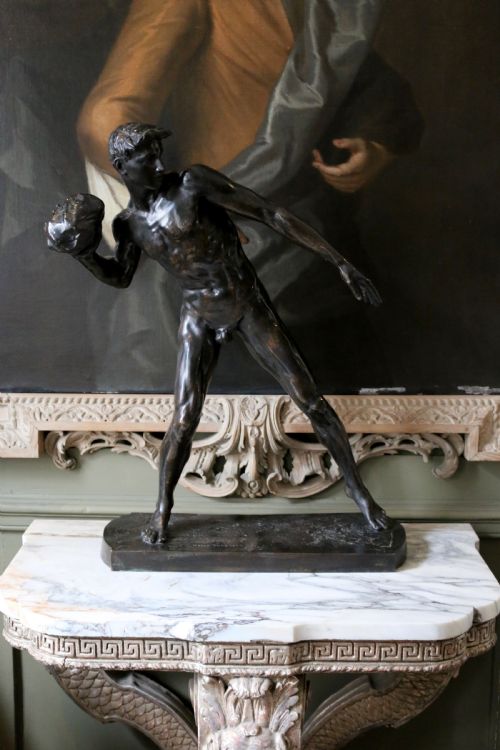
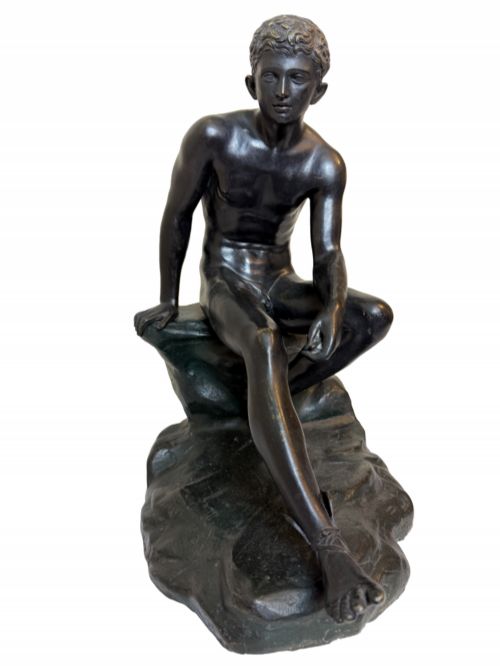
When you search for an athletic bronze figure, you encounter sculptural works that celebrate human strength, sporting prowess, and classical form. These pieces range from grand nineteenth century Grand Tour reductions of ancient statues to dynamic twentieth century interpretations of contemporary sports.
The versions you are most likely to meet on this page span the Victorian era, the Art Nouveau period, and the strong geometric lines of Art Deco. They take the form of individual statues, wrestlers, gladiators, and tennis players mounted on various bases.
Makers and sculptors captured athletes in moments of intense physical action, from putting the stone and playing rugby to fencing and ice skating. Such works reflect changing societal attitudes toward fitness, classical antiquity, and modern athleticism across several decades.
Materials and methods of creation
The primary material for these works is bronze, often enhanced through patination to create dark, warm, or varied surface tones, while some examples utilise silvering or gilt finishes. Spelter appears as an alternative metal in certain pieces, offering a lighter or different metallic composition.
Foundries cast these figures using traditional techniques, frequently mounting the completed metal sculptures onto heavy stone supports such as marble or rosso levanto marble. Wood also appears as a base material, providing a stable foundation for the heavier metal statuary.
Several figures maintain their competitive edge even while permanently attached to solid marble bases.
Distinctions in quality
The choice and execution of the base also influence the overall standing of a piece, with high quality marbles and integrated signatures adding depth to the work. The sophistication of the patina further distinguishes finer artistic output from standard commercial production.
Hamo Thornycroft·L Gerfaux·H Risch·Desire Grisard·Rudolf Küchler·Claire Colinet·Bruno Zach·Eden Antony Paul Noel·Alois Mayer
The Athletic Bronze Figure Glossary
- Patina
- The chemical or natural coloration on the surface of the bronze. This finish protects the metal and adds depth to the visual appearance of the sculpture.
- Grand Tour
- A cultural journey undertaken by nineteenth century travellers who collected small scale bronzes of classical antiquities. These souvenirs often replicated famous statues seen in European museums.
- Spelter
- A zinc alloy frequently used as a cheaper alternative to bronze. It was commonly painted or patinated to imitate true bronze sculpture.
- Rosso Levanto
- A striking deep red marble with white veining often used for sculptural bases. It provides a rich contrast to patinated or gilt metal figures.
Athletic Bronze Figure: Frequently Asked Questions
What is an athletic bronze figure?
An athletic bronze figure is a metal sculpture depicting human sporting activity, physical strength, or classical athletic form. These pieces often celebrate specific sports like rugby, tennis, and wrestling.
They reflect the artistic styles of their period, moving from nineteenth century classical revivals to the streamlined forms of Art Deco design.
How were these bronze figures displayed?
These sculptures were designed for interior display on tabletops, desks, or dedicated pedestals in studies and living spaces. Their solid bases ensured stability for dynamic poses.
Many nineteenth century examples originated as Grand Tour souvenirs brought back from travels across Europe and Italy.
How do I care for bronze sculptures?
Care involves gentle dusting with a soft, dry cloth to prevent the accumulation of dirt on the patinated surface. Avoid using harsh chemical cleaners or abrasive polishes that might strip the original finish.
Keeping the sculpture away from excessive moisture and direct sunlight helps preserve the metal and its underlying patina.
How can I tell the period of a figure?
Dating relies on stylistic clues, such as the flowing lines of Art Nouveau or the sharp geometric styling characteristic of Art Deco pieces. Base materials and mounting techniques also offer helpful chronological indicators.
Signatures, foundry marks, and historical subjects provide additional evidence for attributing a sculpture to a specific era or artist.