




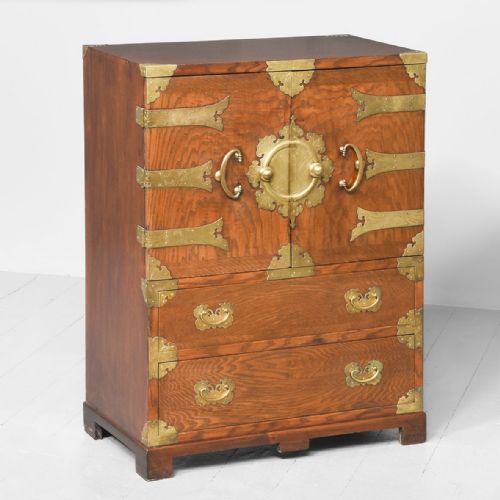

Asian Wooden Sideboard
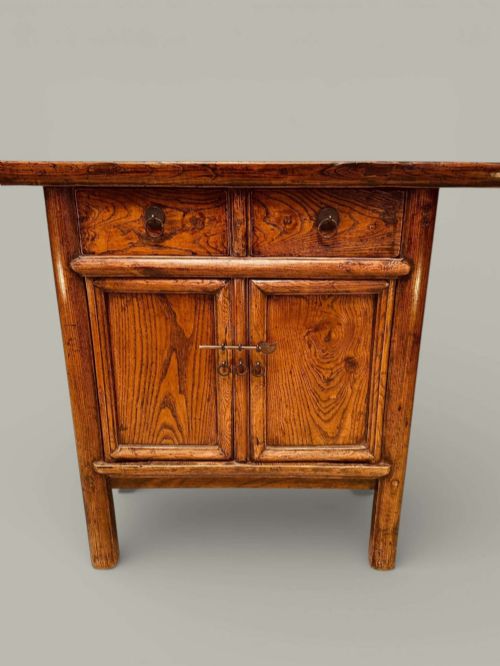
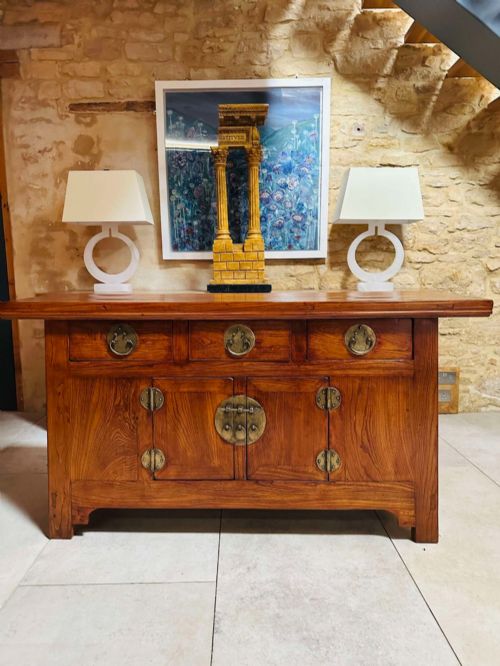
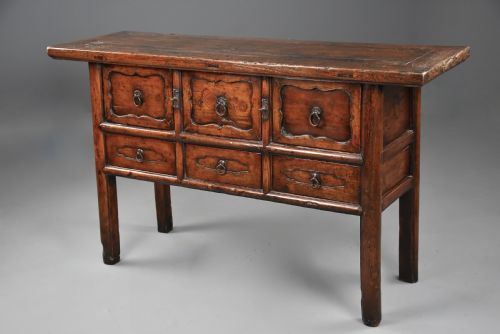
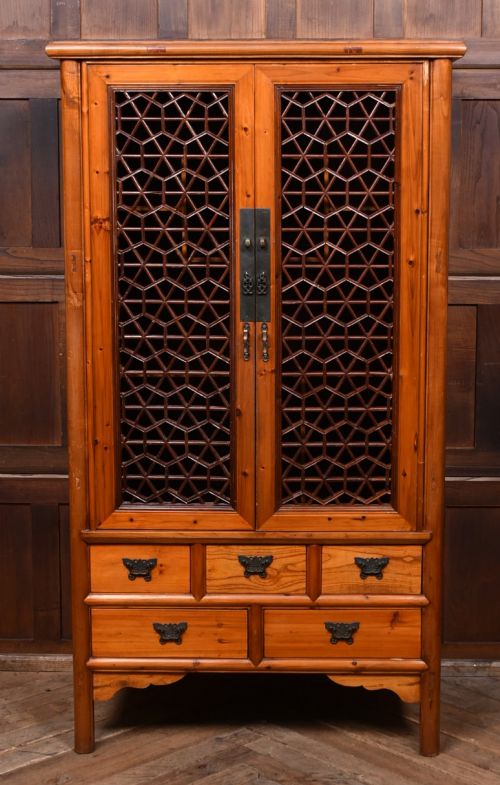
An asian wooden sideboard offers substantial storage framed by centuries of regional craftsmanship and traditional joinery.
Asian Wooden Sideboard
An asian wooden sideboard encompasses heavy storage forms such as console tables, side cabinets, larder cupboards, and chests of drawers originating from various Asian traditions. The pieces span the nineteenth century and the early twentieth century, including styles rooted in the Qing Dynasty, Chinese provincial workshops, Tibetan design, and Japanese Meiji production.
Buyers most frequently encounter provincial Chinese elm sideboards and console tables bearing a fine patina alongside Japanese merchant tansu chests and red lacquered cabinets. These items function practically as storage units while presenting distinct regional aesthetics through carved woodwork, painted floral decorations, and inlaid surfaces.
The selection ranges from tall larder cupboards and multi-drawer merchant chests to long altar tables and small sideboards. Each form reflects the domestic or commercial requirements of its origin, utilising native timbers shaped to endure decades of daily use.
Materials and Construction
Makers constructed these cabinets and sideboards primarily using domestic timbers such as elm, teak, camphor wood, pine, and keyaki. These woods provided the structural integrity needed for heavy storage furniture intended to hold provisions, textiles, or merchant goods.
Surfaces frequently receive applied finishes including red and black lacquer or hand-painted floral decoration directly onto the timber. Metal components forged from brass and iron form structural hinges, drawer pulls, and protective corner mounts that contrast with the natural grain of the wood.
Asian Wooden Sideboard Retail Price Guide 2026
Typical asking prices for asian wooden sideboard among the pieces listed under this phrase on Sellingantiques today, from the lower quarter to the upper quarter. They describe what is for sale here now, not the wider market.
The available furniture spans the nineteenth century through the early twentieth century, encompassing Chinese, Japanese, Korean, and Burmese origins.
Distinctions in Quality
Quality rests upon the integrity of the original joinery and the survival of surface treatments like lacquer, paint, and patina. Pieces retaining their original brass or iron hardware and uncompromised timber frames demonstrate superior craftsmanship compared to those with modern replacements.
The precision of carved details and the depth of the wood's finish distinguish provincial utility items from finer decorative pieces. Well-preserved surfaces show harmonious ageing rather than heavy restoration, maintaining the distinct character of the period.
The Asian Wooden Sideboard Glossary
- Tansu
- A traditional Japanese mobile storage chest or cabinet built for domestic or merchant use. These pieces often feature numerous internal drawers and sliding doors secured with robust iron hardware.
- Patina
- The surface sheen and textural depth developed by wood and lacquer over decades of handling and use. This quality indicates age and natural wear rather than artificial distress.
- Console table
- A long, narrow table designed to stand against a wall, frequently utilised in dining or reception spaces for display and storage. Nineteenth-century examples often incorporate drawers beneath the primary surface.
- Lacker
- A durable resin finish applied in multiple layers to wood surfaces to create a smooth, protective, and decorative coating. Red and black variants appear frequently on Asian storage furniture.
- Elm
- A dense, durable hardwood favored by regional makers for its strong interlocking grain. It forms the primary structure of many provincial Chinese sideboards and tables.
Asian Wooden Sideboard: Frequently Asked Questions
What is a Mizuya?
A Mizuya is a traditional Japanese kitchen tansu used originally for storing culinary utensils, provisions, and dishware. These pieces feature sliding doors and multiple compartment drawers designed for domestic organisation.
Today, these substantial wooden cabinets function effectively as sideboards or display units in contemporary dining spaces and living rooms, offering significant enclosed storage.
How do I care for a lacquered cabinet?
Lacquered surfaces require protection from direct sunlight and extreme humidity fluctuations to prevent cracking or fading over time. Dusting with a soft, dry cloth maintains the finish without stripping the historical patina.
Avoid chemical polishes and abrasive cleaners, as these can permanently damage the fragile underlying resin and hand-painted decorations characteristic of nineteenth-century pieces.
Where were tansu chests used?
Japanese tansu chests served practical storage roles in merchants' shops, farmhouses, and domestic homes across various social strata. Different regional types accommodated specific goods, from clothing and documents to kitchen supplies.
Their robust construction of keyaki or pine, reinforced with heavy iron hardware, allowed these modular units to be moved easily or stacked securely within traditional interiors.
How do I identify Chinese elm furniture?
Chinese elm furniture displays a pronounced, swirling grain pattern paired with a dense, heavy structural weight. Provincial makers utilised this native hardwood for its resilience against warping.
Over decades of use, elm develops a warm, tactile patina that distinguishes these utilitarian tables and sideboards from lighter modern reproductions constructed of inferior softwoods.