


Asian Wooden Bench
These asian wooden bench examples range from rustic elm seats to carved Qing Dynasty hardwoods, offering practical utility and rich regional character for any interior.
Asian Wooden Bench
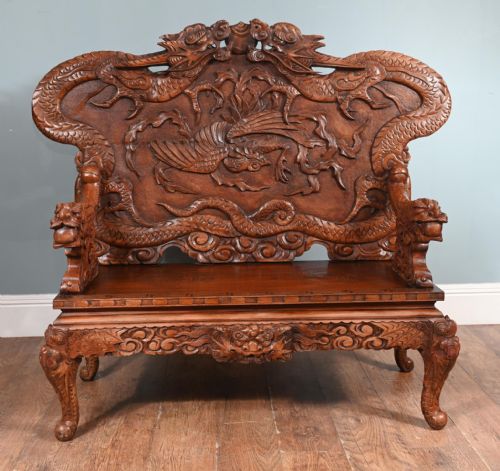
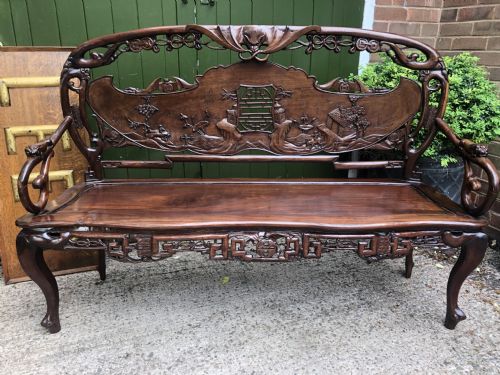
An asian wooden bench serves as a functional seat or low table, encompassing diverse forms such as hall benches, window seats, and day beds. The pieces available here draw primarily from traditional Chinese craftsmanship, spanning the nineteenth and early twentieth centuries.
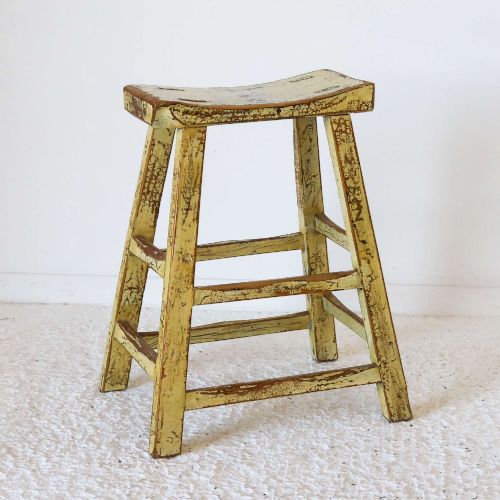
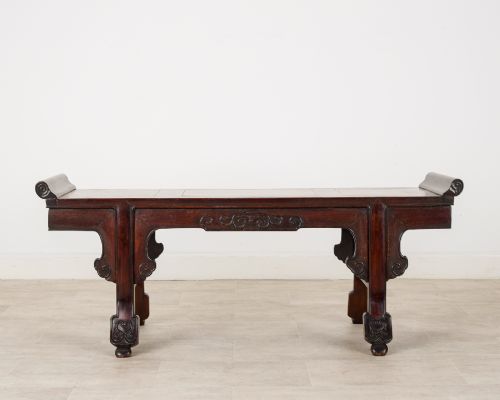
Buyers will encounter various regional expressions, including rustic country styles, provincial designs, and formal Qing Dynasty seating. These forms range from long altar benches and settles to compact stools and low opium tables made for domestic interiors.
How they were made
Carpenters utilised dense native timbers such as elm, mahogany, blonde wood, and various hardwoods including huali and huanghuali. These durable woods provided the structural strength required for traditional joinery without relying on modern metal fasteners.
Listings span the nineteenth and early twentieth centuries, featuring materials from standard elm and hardwood to gold leaf and lacquer.
What varies in quality
Quality rests upon the selection of timber and the precision of the traditional joinery used to construct the frame. Dense hardwoods like huanghuali and finely figured elm command greater attention than softer utility woods.
The sophistication of the carving and the preservation of original finishes, such as lacquer or gold leaf, dictate the distinction between simple provincial items and high-status Qing Dynasty pieces.
The Asian Wooden Bench Glossary
- Qing Dynasty
- The final imperial dynasty of China, lasting from sixteen forty-four to nineteen twelve. Pieces from this period often feature formal carved details and official styles.
- Elm
- A resilient domestic timber favoured for provincial furniture and rustic benches. It provides a strong, fibrous grain that accepts various finishes.
- Cinnabar lacquer
- A traditional finish created by applying multiple layers of coloured tree sap over a wooden base. Carvings are then cut into the hardened layers.
- Kang table
- A low domestic table traditionally used on a heated brick bed for dining or writing. These pieces share similar scale and joinery with small benches.
Asian Wooden Bench: Frequently Asked Questions
Where were these benches used?
These benches functioned across various domestic spaces, from formal reception halls to private bedrooms and studies. Many sat beneath windows or along walls to provide portable seating.
Lower forms served multiple purposes as resting places or low tables for domestic tasks within traditional households.
How do I style an antique bench?
An asian wooden bench works effectively in modern hallways, living rooms, or bedrooms as a functional accent piece. Their varied timbers and carved details complement both contemporary and traditional interiors.
Purchasers often utilise longer hall benches for seating, while smaller low tables and stools function well as display surfaces.
What woods are most common?
Elm and general hardwoods appear frequently among provincial and rustic examples on this page. These domestic timbers provided the durability needed for daily household use.
More formal pieces utilise specialised materials like blonde wood, mahogany, and huali to achieve a refined appearance.
How do I identify the period?
Dating relies on stylistic markers associated with the nineteenth century and the Qing Dynasty. Carving styles, joinery techniques, and the presence of traditional finishes provide key indicators of age.
Examination of the timber wear and surface patination helps distinguish late nineteenth-century pieces from early twentieth-century examples.