


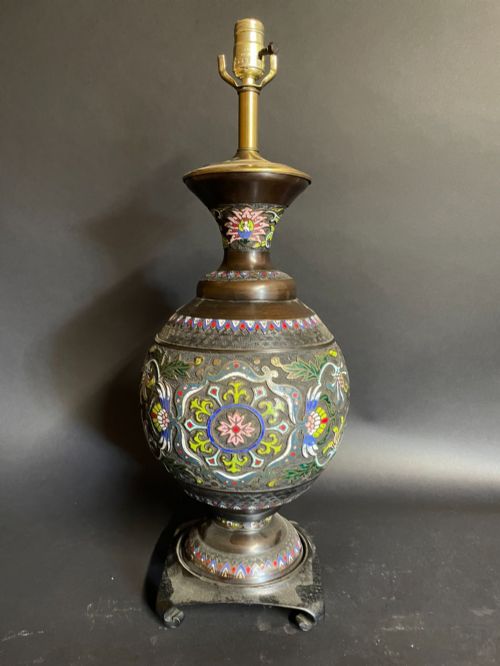


Asian Urn Table Lamp
An asian urn table lamp brings together distant craftsmanship and warm interior light, transforming antique vessels into practical centrepieces.
Asian Urn Table Lamp
When searching for an asian urn table lamp, collectors encounter decorative vessels adapted into functional lighting fixtures. These pieces typically originate from China and Japan, spanning periods from the late seventeenth century through the early twentieth century.
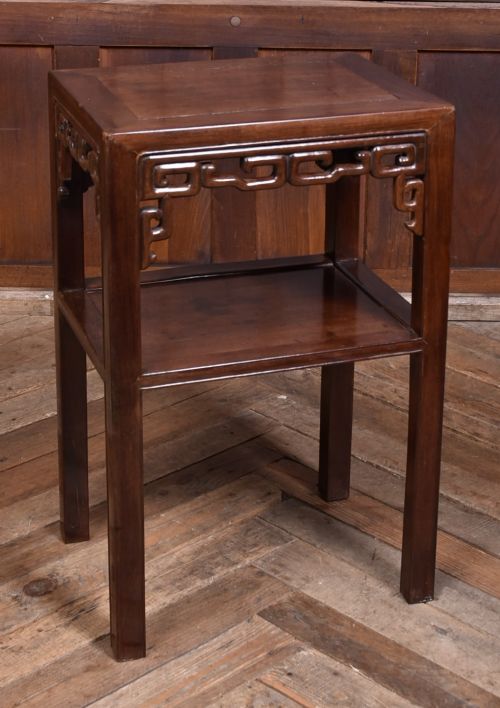
The selection on this page relies heavily on nineteenth-century examples alongside items from the Meiji period and Qing Dynasty. Alongside lamps, the evidence includes related forms such as hardwood stands and occasional tables.
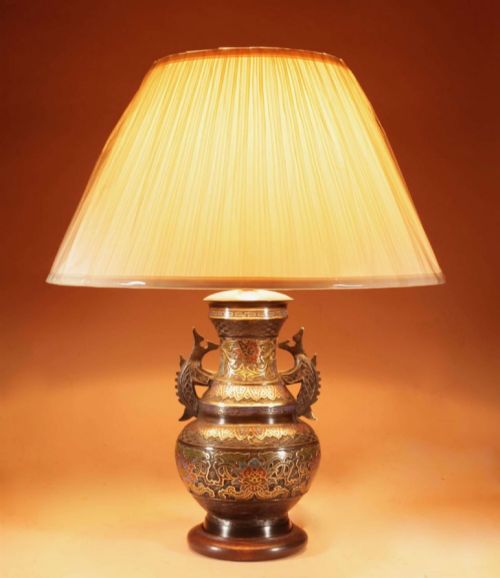
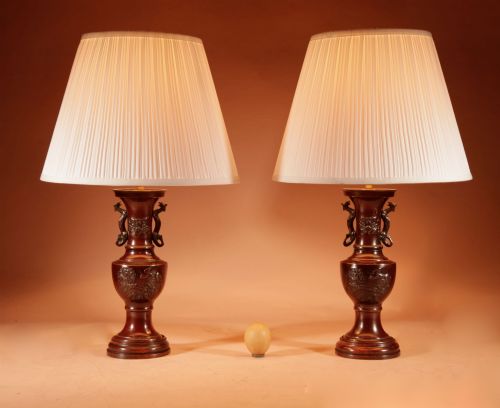
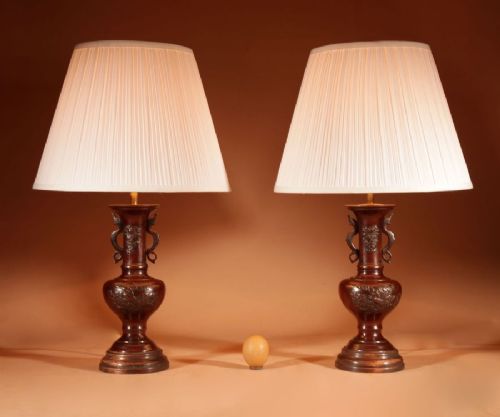
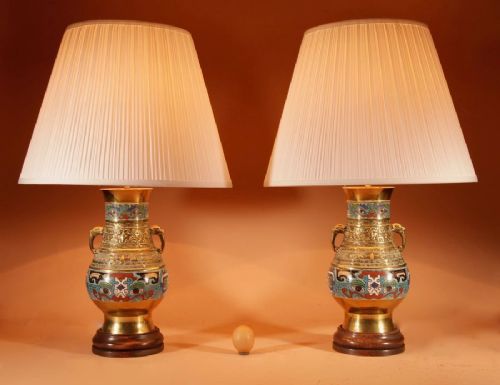
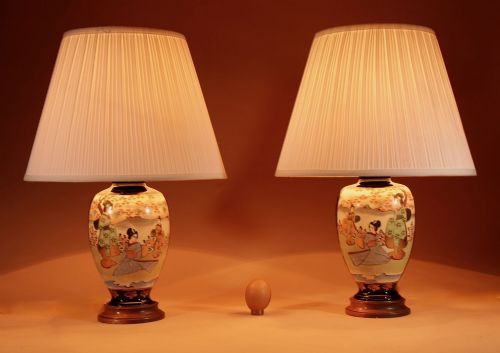
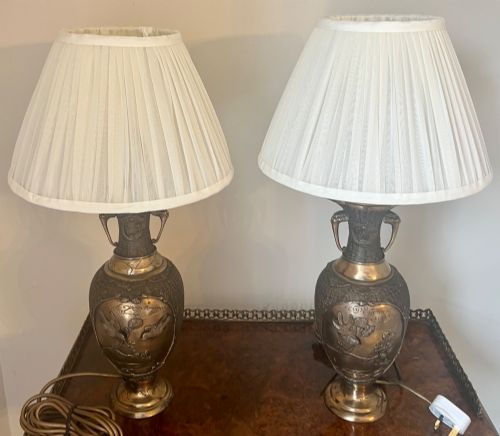
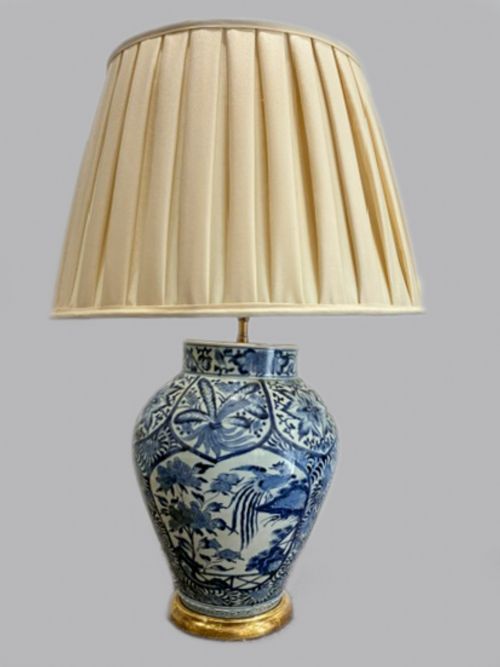
Vessels converted into lamps range from Satsuma and Kutani porcelain to bronze and cloisonné enamel bodies. Buyers frequently find pairs of lamps designed from blue and white, celadon, or champlevé vases.
Materials and construction
The underlying vessels utilise traditional eastern manufacturing techniques, combining cast bronze, carved hardwoods, and hand-painted porcelain. Enamel work such as cloisonné and champlevé applies vitreous paste within wire compartments or cast recesses on metal bodies.
Pioneering electricians subsequently adapted these antique vases by drilling bases or mounting fittings to transform decorative objects into functional illumination. Additional components incorporate brass hardware, silk, and fabric shades.
Hardwood stands and tables utilise traditional joinery in woods such as oriental hardwood, often paired with marble inserts for decorative effect.
Asian Urn Table Lamp Retail Price Guide 2026
Typical asking prices for asian urn table lamp among the pieces listed under this phrase on Sellingantiques today, from the lower quarter to the upper quarter. They describe what is for sale here now, not the wider market.
Evaluating the standard
Quality rests upon the artistic execution of the original vase, whether through fine detail in hand-painted porcelain or precision in bronze casting and enamel work. Pieces originating from distinct periods like the Meiji or Qing eras exhibit varying degrees of sculptural depth and glaze richness.
The standard of the conversion process also dictates the overall merit of the piece. Professional adaptation preserves the integrity of the antique ceramic or metal body while ensuring structural stability.
The Asian Urn Table Lamp Glossary
- Champlevé
- An enamelling technique where artists hollow out troughs in a metal surface to receive coloured glass paste before firing. This method creates defined patterns of metal and enamel.
- Cloisonné
- A decorative metalwork method utilising thin wire soldered to a bronze or brass body to create cells filled with enamel. Craftsmen then fire and polish the surface smooth.
- Satsuma
- A type of Japanese earthenware featuring a crackle glaze decorated with polychrome enamels and gilt. These ceramics frequently depict traditional figures and landscapes.
- Kutani
- Japanese porcelain distinguished by bold colour palettes, often dominated by greens, blues, yellows, and purples. Artisans produced these wares primarily in Ishikawa Prefecture.
- Celadon
- A term describing ceramic glazes denoting pale green shades resembling jade. The subtle coloration results from iron oxide reacting within a reduction kiln.
Asian Urn Table Lamp: Frequently Asked Questions
How are antique vases converted into lamps?
Craftsmen adapt historical vessels by mounting electrical hardware through existing apertures or careful drilling. This process turns decorative objects into functional room lighting.
Fittings typically attach securely to the top or base, integrating wiring while preserving the primary ceramic or metal body.
What periods do these lamps date from?
The available lighting spans several centuries, with particular concentration in the nineteenth century and early twentieth century. Examples reach back to the late seventeenth century.
Stylistic markers often align with the Japanese Meiji period or the Chinese Qing Dynasty.
Are matching pairs commonly available?
Listings frequently incorporate matched pairs of vases converted into balanced lamp sets. These symmetrical pieces often share identical decorative motifs and dimensions.
Single lamps also appear alongside paired groupings within the material record.
What materials make up the lamp bodies?
Lamp bases primarily consist of ceramic porcelain or cast bronze embellished with enamel work. Specific variations include cloisonné, champlevé, Satsuma, and Kutani wares.
Additional structural elements utilise brass, hardwood, and fabric components.