
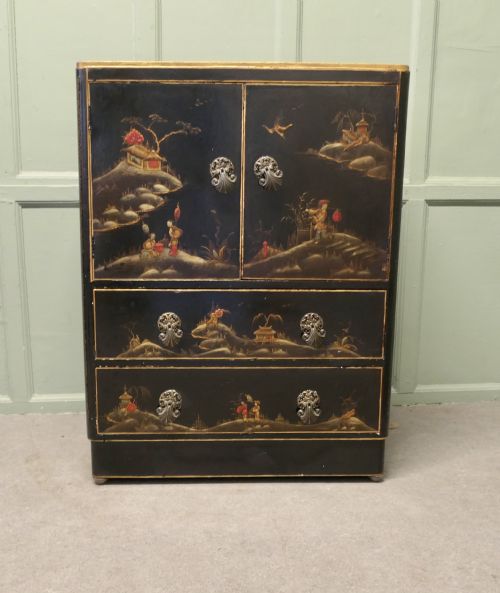


Asian Style Lacquer Cupboard
These asian style lacquer cupboards bring rich colour and depth to a room through centuries-old decorative traditions.
Asian Style Lacquer Cupboard
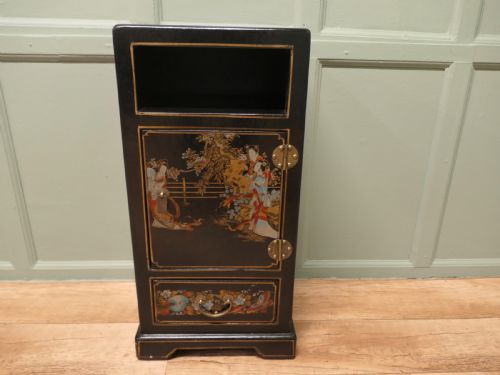
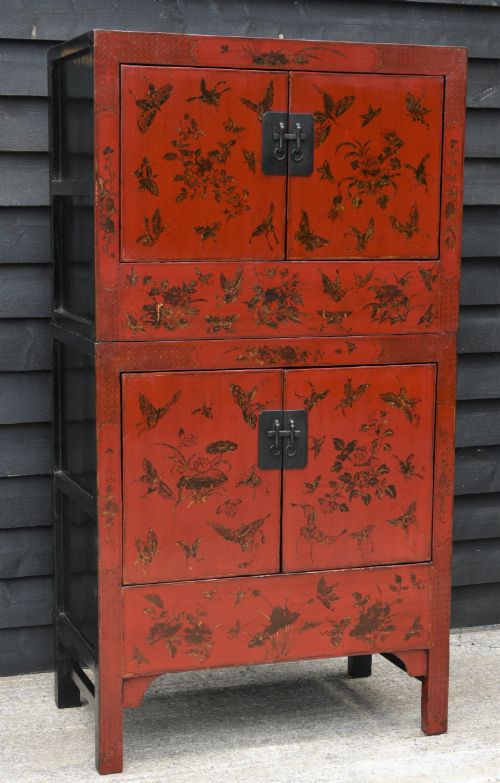
An asian style lacquer cupboard introduces striking surface finish and practical storage, drawing on Chinoiserie aesthetics and traditional Chinese or Korean forms. Buyers searching this phrase encounter pieces ranging from compact bedside lamps cabinets to large marriage cupboards and apothecary chests.
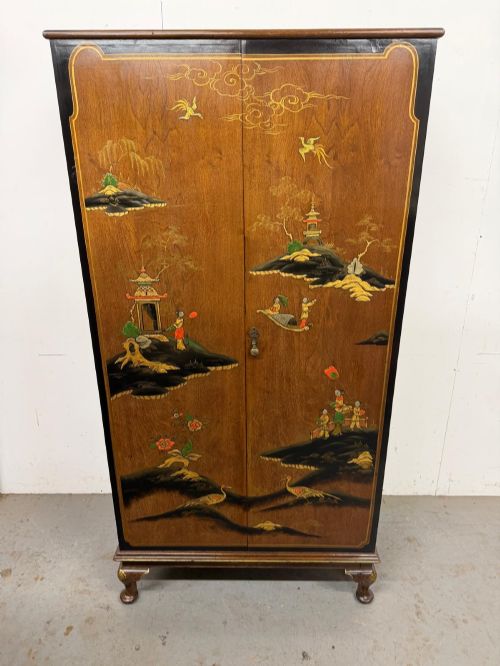
The selection on this page spans the nineteenth century through the early decades of the twentieth century, including Edwardian interpretations. Forms include side cabinets, compactum wardrobes, and chests of drawers finished with distinctive painted or lacquered surfaces.
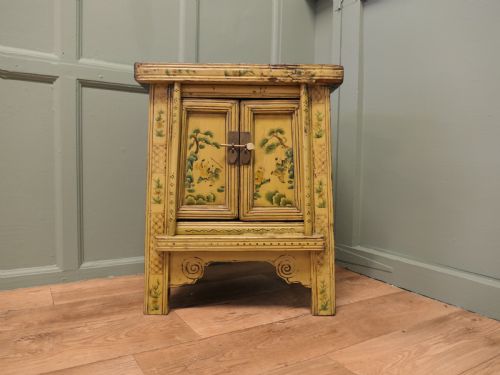
Many examples embrace Chinoiserie design, featuring black, red, or cream lacquer embellished with gilt and oriental motifs. Others showcase the simpler lines of Chinese provincial woodworking or Korean Joseon style painted chests.
How they were made
Construction relies primarily on wood as a base for multiple layers of lacquer, sometimes enhanced with painted details and gilt highlights. Makers applied traditional hardening tree sap resins to form durable, glossy surfaces that were often decorated with pictorial scenes.
Hardware plays a structural and decorative role, with brass and iron mounts, hinges, and corner plates securing the wooden framework. Cinnabar lacquer techniques also appear, involving carved layers of red mineral pigment over a supportive core.
Listings feature woods, lacquer, and painted wood surfaces finished with brass and iron hardware across periods from the nineteenth century to 1930.
What varies in quality
Depth of finish and the complexity of the lacquer work set the standard for these cabinets, ranging from simple painted wood to intricate cinnabar carving. The integrity of the original surface finish directly influences the visual impact of the piece.
The refinement of brass or iron hardware and the joinery of the underlying wooden structure dictate the overall caliber of the cabinet. Early twentieth century interpretations and nineteenth century originals display different degrees of artisan handwork in their decorative scenes.
The Asian Style Lacquer Cupboard Glossary
- Chinoiserie
- European decorative style reflecting Chinese artistic influences, popular in furniture decoration with lacquered surfaces and gilt motifs.
- Cinnabar lacquer
- Technique involving numerous built-up layers of red mercuric sulphide lacquer carved with intricate designs.
- Compactum wardrobe
- Fitted multi-section wardrobe designed for efficient clothes storage, often produced in the early twentieth century.
- Apothecary chest
- Multi-drawer storage cabinet traditionally used by herbalists and pharmacists for sorting dried goods and medicines.
- Joseon style
- Traditional Korean aesthetic characterised by minimalist wooden forms, painted panels, and restrained decorative metalwork.
Asian Style Lacquer Cupboard: Frequently Asked Questions
Where should I place a lacquer cupboard?
These cabinets work well as statement pieces in living rooms, hallways, or bedrooms where their coloured surfaces can catch the light. Keep them away from direct sunlight and excessive heat sources to protect the delicate lacquer finish.
Pairing a smaller bedside version with neutral surroundings allows the painted details to stand out without overwhelming the space.
How do I care for antique lacquer furniture?
Dust the surface gently with a soft, dry microfibre cloth and avoid using chemical polishes or water on the finish. Maintaining stable room humidity prevents the underlying wood from expanding and cracking the lacquer layer.
Treat the surface with care to preserve the original gilt work and painted oriental scenes.
What is the difference between Chinese and Chinoiserie styles?
Authentic Chinese pieces originate from Asian workshops and follow regional traditions like provincial woodworking or wedding cabinet designs. Chinoiserie describes European interpretations that imitate Asian decorative arts, often using black or red lacquer.
Both traditions result in striking storage furniture with rich surface decoration.
How do I identify the age of these cabinets?
Dating relies on examining the construction methods of the wooden carcase, the wear patterns on the lacquer, and the style of the metal hardware. Nineteenth-century examples often show deeper patination, while early twentieth-century pieces reflect Edwardian tastes and Chinoiserie revivals.
Materials like brass and iron mounts also offer clues to the manufacturing period.