




Asian Square Table
An asian square table brings compact balance and deep wood tones to a room, drawing the eye with precise joinery.
Asian Square Table
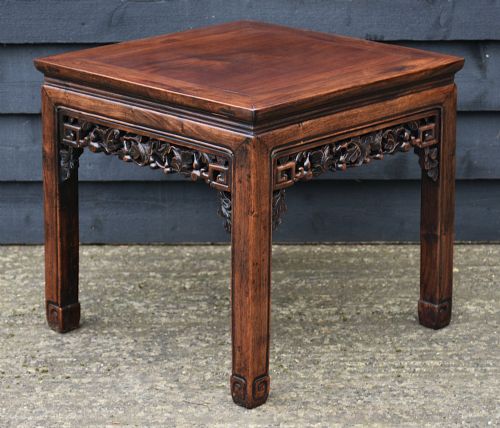
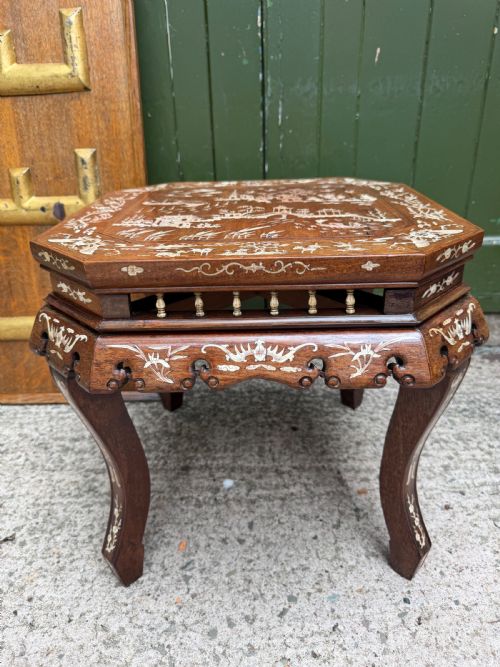
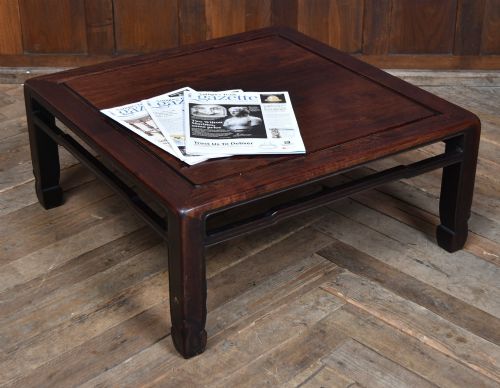
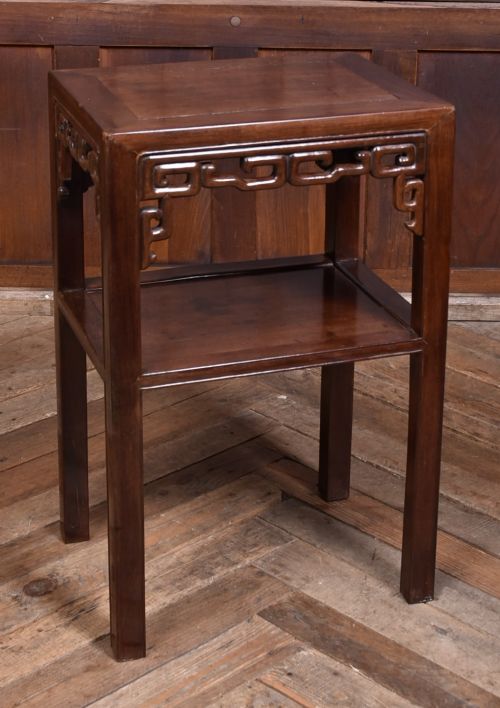
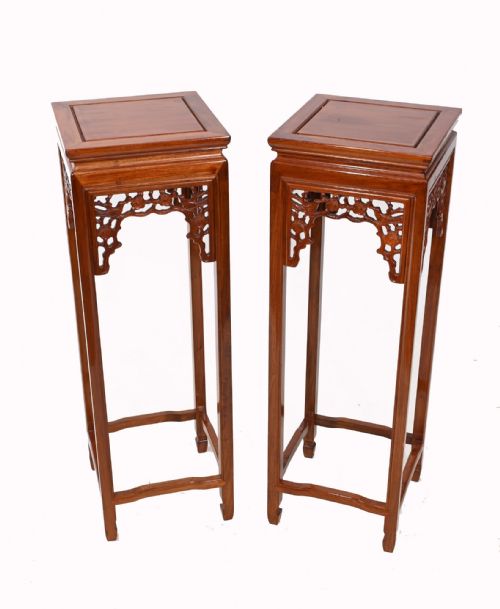
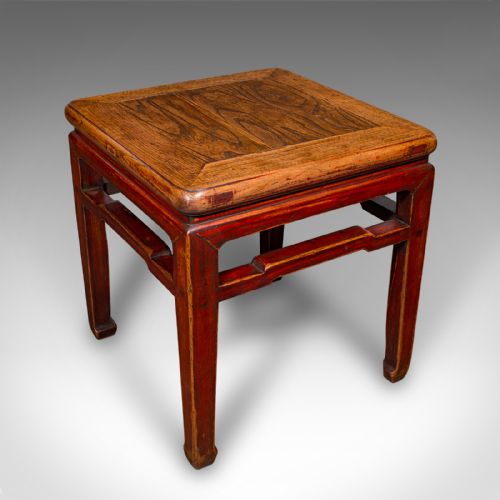
An asian square table encompasses low tables, coffee tables, side tables, plant stands, pedestal stands, and centre tables originating from nineteenth century periods. These items draw upon Qing dynasty traditions, Chinese traditional styles, Chinoiserie, and Japanese Meiji aesthetics.
The selections on this page feature side tables, coffee tables, plant stands, occasional tables, centre tables, stools, and table lamps converted from vases. Many examples incorporate specific forms like two tier stands or low tea tables made for kneeling.
Materials and construction methods
Construction relies heavily on dense timbers such as hardwood, rosewood, padouk, hongmu, and elm. These durable woods provide the structural integrity required for carved surfaces and load bearing stands.
Additional elements incorporate marble inserts into centre tables, as well as brass fittings, porcelain bodies, and fabric accents found on related lamp bases and decorative items.
Current listings feature items from the 19th century, 1880, 1890, 1910, and the Victorian and Meiji periods.
Assessing craftsmanship and finish
Quality rests upon the depth and crispness of carved details across the wood, particularly on late nineteenth century Qing dynasty items. Superior examples display tight joinery and well figured grain in rosewood, padouk, or hongmu.
The integration of inset marble tops and the balance of proportions distinguish finer coffee tables and pedestals from simpler occasional forms.
The Asian Square Table Glossary
- Hongmu
- A dense tropical hardwood often utilised in Qing dynasty furniture for its rich dark colour and heavy weight. It polishes to a smooth finish.
- Padouk
- A durable reddish timber favoured for nineteenth century Chinese coffee tables and stands. Its grain remains stable over long periods.
- Chabudai
- A traditional low Japanese table utilised for kneeling while drinking tea or eating. Meiji period examples often employ elm.
- Famille Verte
- A Qing dynasty palette of green enamels used on porcelain ceramics. Pieces decorated in this style occasionally convert into table lamps.
Asian Square Table: Frequently Asked Questions
What is an asian square table used for?
These pieces serve multiple functions as side tables, coffee tables, plant stands, and centre tables within domestic interiors. Their compact square footprint makes them adaptable for displaying objects or holding lamps.
Lower kneeling versions, such as Japanese chabudai tables, provide alternative seating configurations and low surface utility.
How do I date an asian square table?
Dating relies on examining the timber species, construction joinery, and stylistic markers associated with the nineteenth century, Victorian era, and Meiji period. Reference points include Qing dynasty carvings and specific regional workshop traditions.
Comparing the wear patterns and wood maturation helps separate nineteenth century production from later interpretations.
What woods were used for these tables?
Cabinetmakers utilised dense Asian hardwoods including rosewood, padouk, hongmu, and elm. These timbers provided the strength needed for intricate pierced carvings and multi tiered stands.
Some tables also incorporate marble panels fitted directly into the wooden framework.
How do I style a square table at home?
A square table fits easily beside seating or in corners as a plant or pedestal stand. Its symmetrical proportions anchor decorative objects like vases or table lamps without crowding the room.
Pairing matching stands or contrasting low coffee tables with lighter surrounding furniture highlights the dark wood tones.