

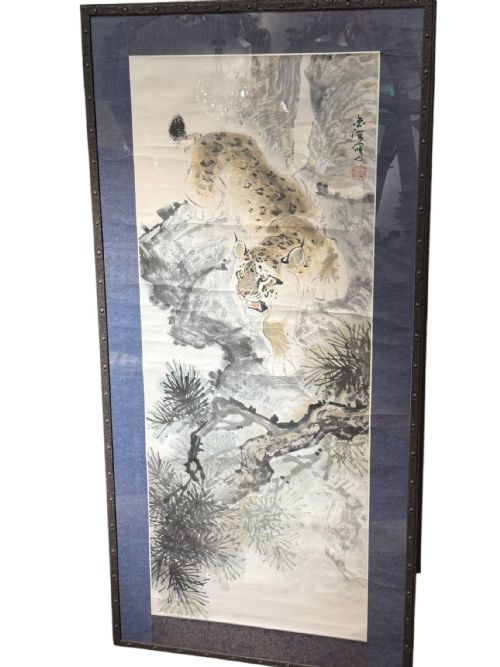


Asian Silk Painting
These pieces of asian silk painting bring delicate brushwork and rich pigment onto woven textile grounds, offering collectors authentic expressions of traditional East Asian artistry.
Asian Silk Painting
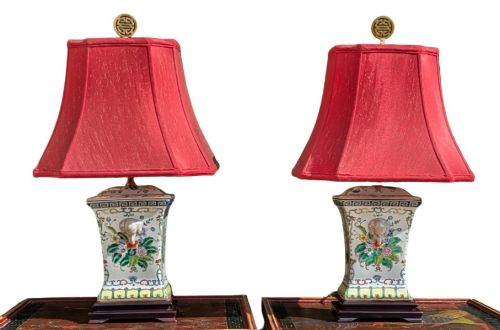
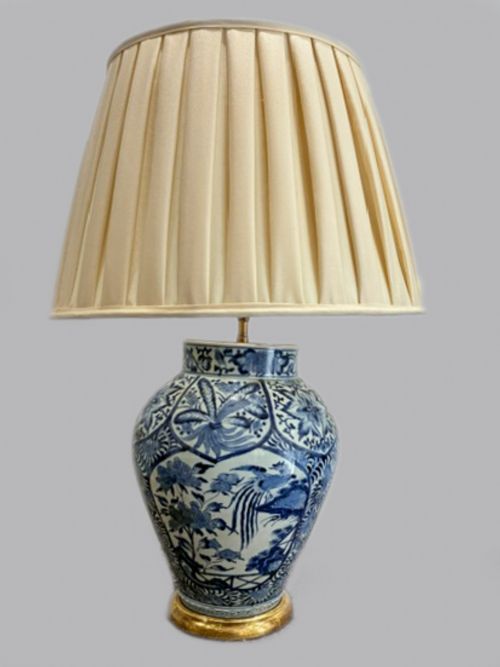
Many of these pieces originate from Chinese and Japanese traditions, employing distinct regional styles associated with the Qing Dynasty and the Meiji Period. Alongside standard wall art and framed paintings, buyers also find related decorative objects like table lamps and converted vases that incorporate painted or textile elements.
Materials and techniques
The primary ground for these works is woven silk, often paired with secondary materials such as paper, wood, glass, and brass for framing and mounting. Artisans applied ink and vivid mineral pigments directly to the textile surface, requiring precise brush control to prevent bleeding on the absorbent fabric.
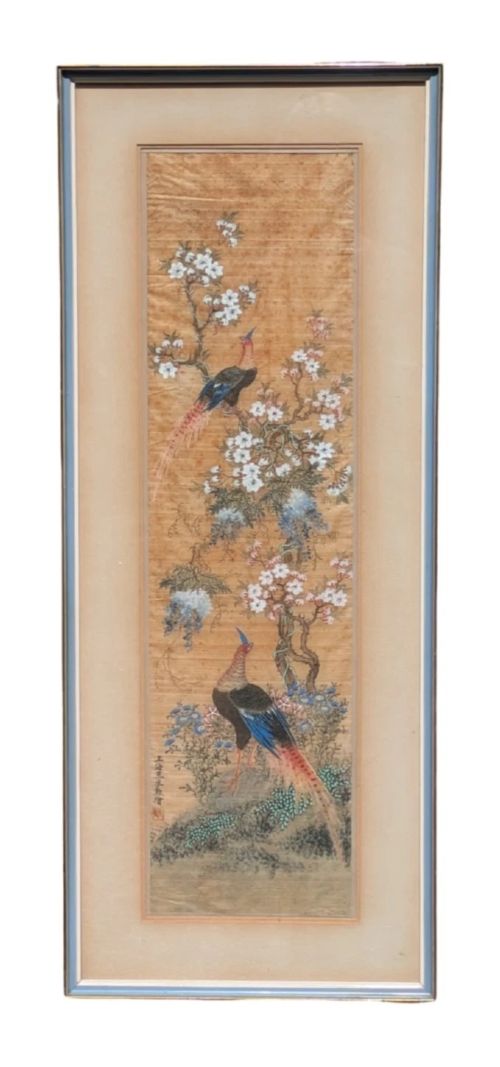
Many surviving pieces retain their original frames, scrolls, or textile mountings, while others have been adapted into domestic furnishings like table lamps. Stamped signatures and artist seals frequently appear alongside painted motifs, marking the completion of the work.
Asian Silk Painting Retail Price Guide 2026
Typical asking prices for asian silk painting among the pieces listed under this phrase on Sellingantiques today, from the lower quarter to the upper quarter. They describe what is for sale here now, not the wider market.
Several pieces capture unexpected wildlife moments, including a snow leopard and a goose in mid-flight.
What determines quality
Quality in an asian silk painting rests upon the precision of the brushwork and the vibrancy of the remaining ink and pigment. Pieces that retain bright, clear colours and crisp details on the silk ground command greater attention from collectors.
The integrity of the mounting or original frame also influences the overall standard of the piece. Works that preserve their early scrolls, original frames, or signed stamps demonstrate better historical preservation.
The Asian Silk Painting Glossary
- Silk
- A natural protein fibre woven into a smooth, lustrous fabric that serves as the base ground for fine Asian paintings.
- Scroll painting
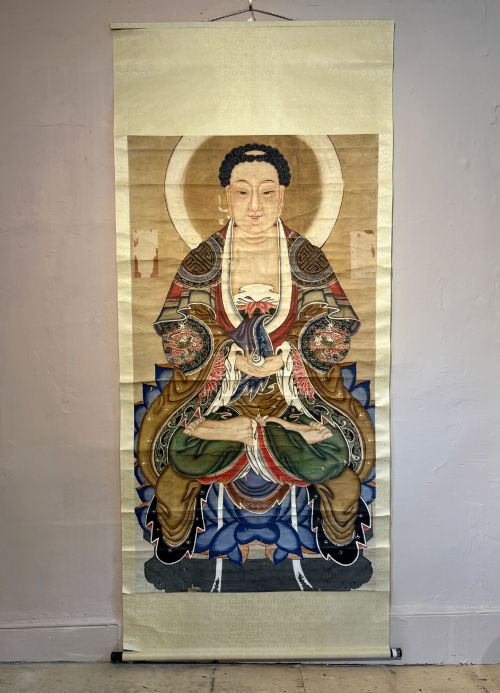
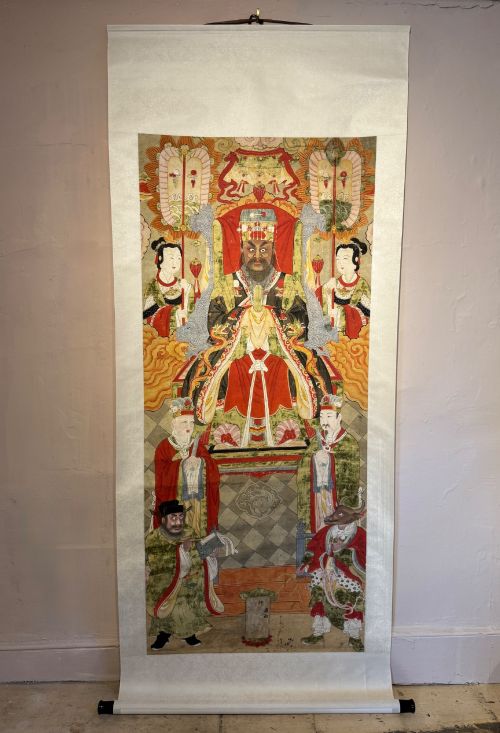
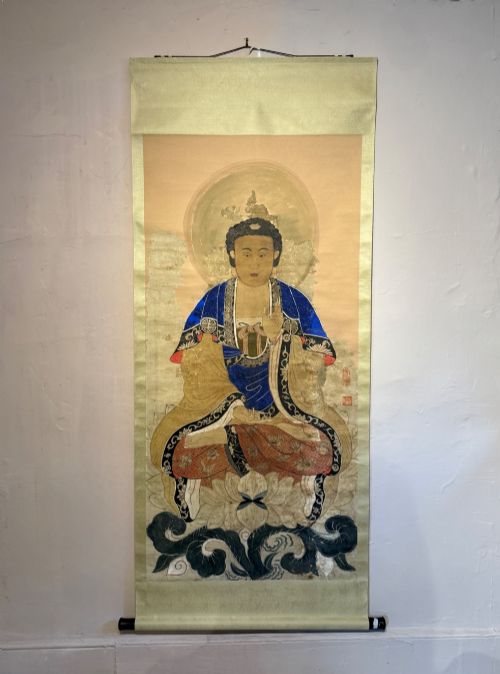
- A traditional format where painting on silk or paper is mounted on flexible fabric backings for rolling and storage.
- Shan Shui
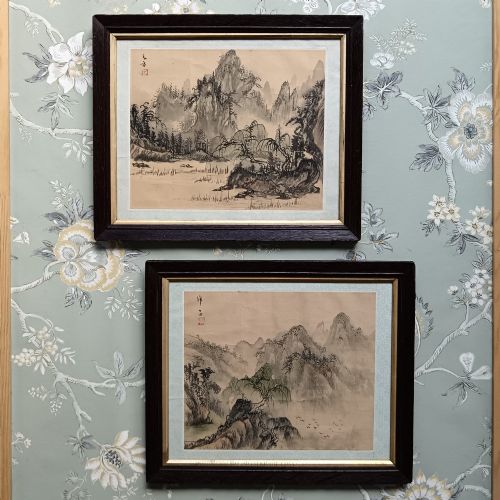
- A style of traditional Chinese painting that depicts scenery or natural landscapes using brush and ink.
- Ancestor painting
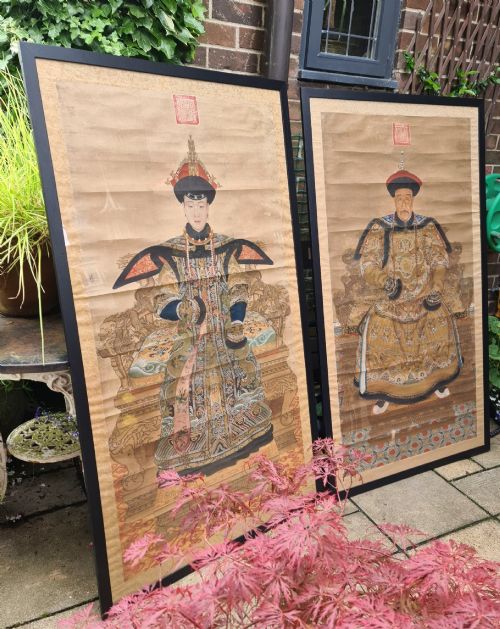
- A formal portrait depicting family forebears, often created during the Qing Dynasty for ritual remembrance.
- Pigment
- Finely ground coloured powder mixed with a binder to create the rich hues applied to textile paintings.
Asian Silk Painting: Frequently Asked Questions
How should I hang an asian silk painting?
Display these works away from direct sunlight to protect the delicate silk fibres and natural pigments from fading over time.
Maintain stable indoor humidity levels to prevent the woven textile ground and any paper backing from warping or becoming brittle.
Are these paintings signed by artists?
Many pieces feature artist signatures, calligraphy, or red stamped seals directly on the silk surface.
These marks often provide clues regarding the period and the specific regional workshop where the artwork was produced.
What is an ancestor painting?
Ancestor paintings are formal portraits created to honour family forebears, typically rendered in detailed watercolour and ink on silk.
They often depict seated figures in traditional attire and serve as important historical documents of past dynasties.
How do I tell scroll paintings from framed works?
Scroll paintings are designed to be rolled for storage, featuring flexible fabric borders meant for hanging vertically on a wall.
Framed artworks are housed behind glass within wooden or brass structures, protecting the delicate textile from environmental wear.