








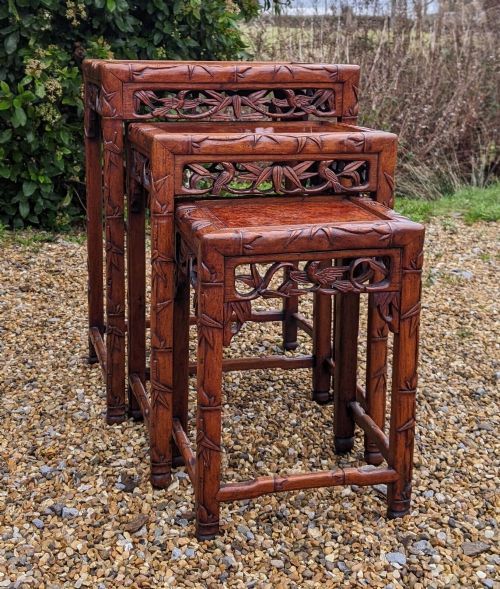
Asian Hardwood Plant Stand
An asian hardwood plant stand brings carved timber and marble into a room to elevate a pot or urn.
Asian Hardwood Plant Stand
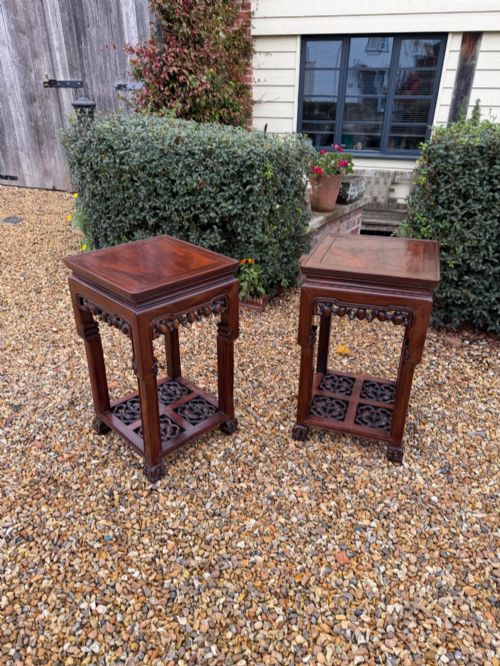
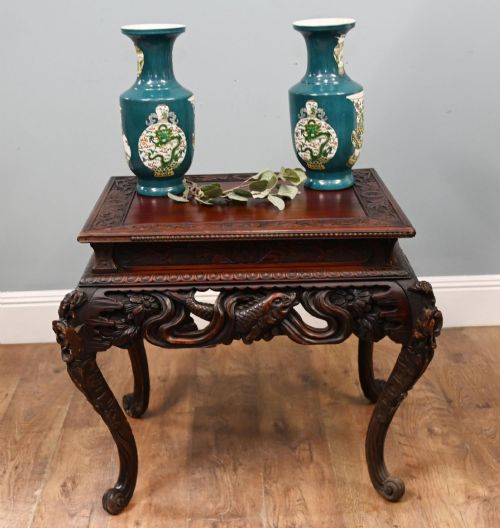
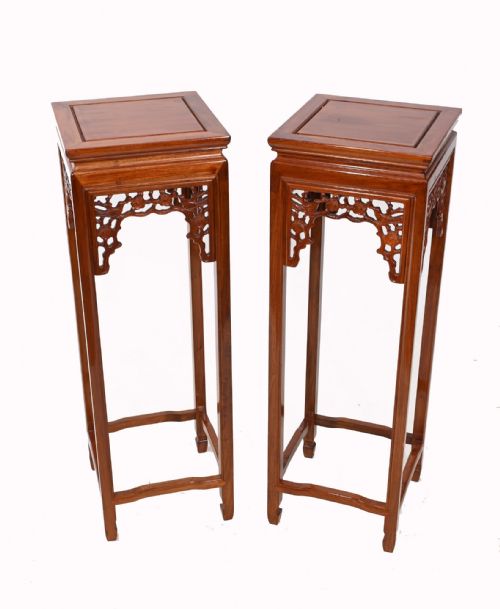
An asian hardwood plant stand serves primarily as a raised surface for jardinieres, vases, and urns within traditional and export interiors. Buyers searching for an asian hardwood plant stand will encounter carved timber and marble top forms originating from the nineteenth and early twentieth centuries, spanning periods such as the Qing dynasty and the Victorian era. These pieces appear as single pedestals, torchères, low tables, and occasional stands designed to support heavy decorative objects.
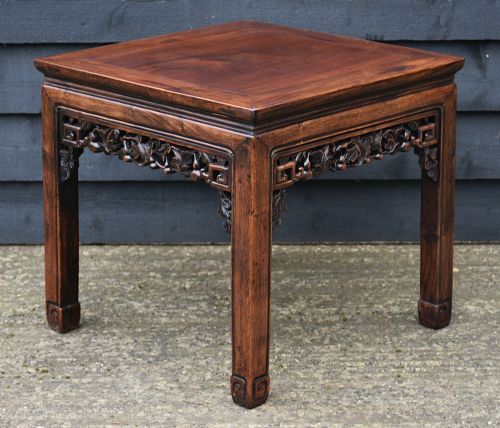
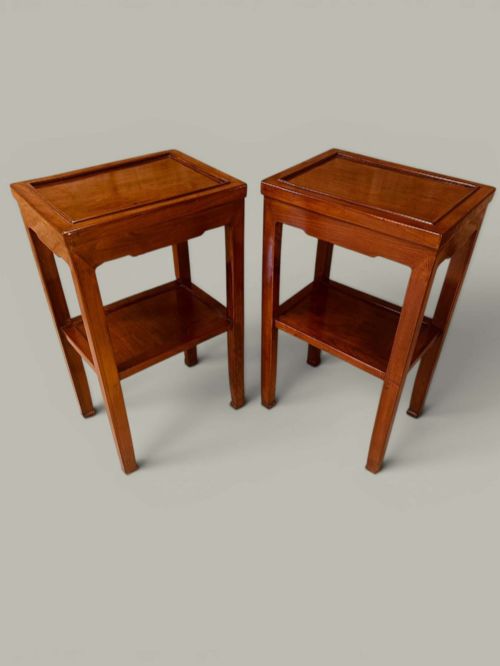
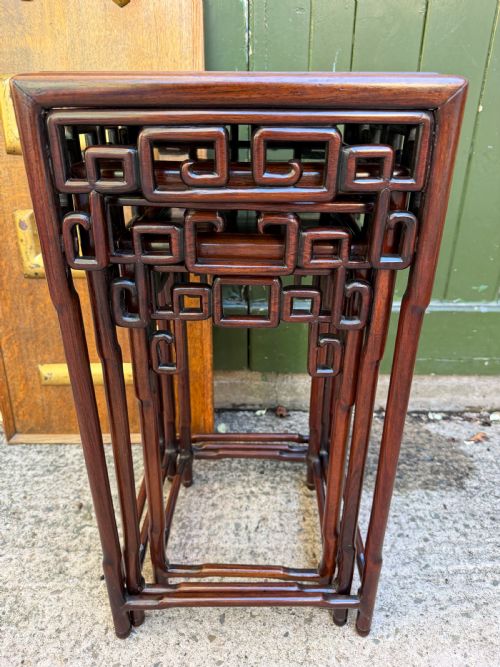
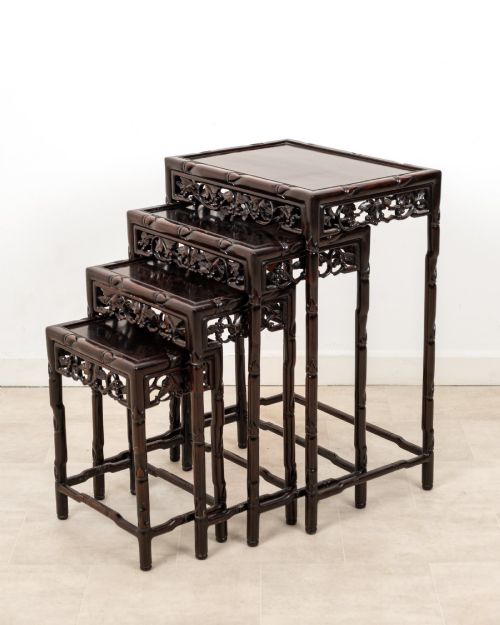
The selection here draws heavily from Chinese traditional craftsmanship, featuring forms like jardiniere stands, pedestal stands, and nests of tables. Pieces executed in hongmu, huali, and rosewood dominate the material record, often paired with inset marble or porcelain panels. Buyers are most likely to meet heavily carved structural designs shaped as pillars, tripod bases, or low multi-tiered tables meant for display.
What varies in quality
The depth and crispness of the hand carving separate standard commercial items from superior workshop examples. Well-defined relief work on foliage, figures, or dragons demonstrates a higher degree of skill from the maker. Timber selection also dictates the standard of the piece, with richly figured grain and dense exotic woods commanding greater attention.
Integration of inset elements such as marble or porcelain reveals the precision of the construction. A tight, flush fit between the stone or ceramic panel and the surrounding hardwood frame indicates careful cabinetmaking. The overall rigidity and stability of the joined legs and tiers complete the assessment of build quality.
Asian Hardwood Plant Stand Retail Price Guide 2026
Typical asking prices for asian hardwood plant stand among the pieces listed under this phrase on Sellingantiques today, from the lower quarter to the upper quarter. They describe what is for sale here now, not the wider market.
Materials recorded across the inventory include marble, porcelain, rosewood, hongmu, and teak.
The Asian Hardwood Plant Stand Glossary
- Hongmu
- A traditional Chinese term applied to various dense, dark tropical hardwoods used in fine furniture. These heavy timbers take a high polish and display deep natural colouration.
- Jardiniere stand
- A tall or low support specifically designed to hold a heavy plant pot or floral container. These pieces often feature water-resistant tops such as inset marble.
- Torchere
- A tall stand or pedestal originally intended to support a candelabrum or lamp. In Asian export furniture, the form translates into slender carved plant and vase stands.
- Mother of pearl inlay
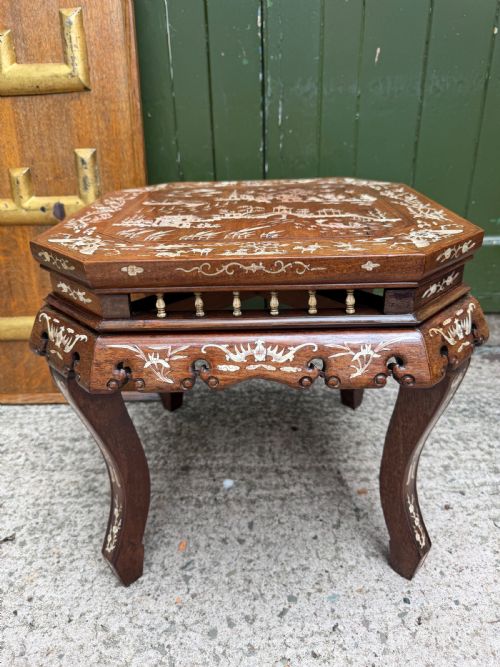
- A decorative technique embedding thin shimmering pieces of shell into chiselled recesses within the timber surface. This creates geometric or pictorial patterns across occasional tables.
- Nest of tables
- A set of graduated tables designed to slide neatly beneath one another when not in use. These pieces often share carved frames and matching timber tops.
Asian Hardwood Plant Stand: Frequently Asked Questions
What is an asian hardwood plant stand used for?
These pieces were originally built to elevate heavy ceramic jardinieres, bronze urns, and decorative porcelain vases off the floor. Placing plants or display items upon them protected delicate flooring and brought the decorative object closer to eye level.
Today, they function as versatile side tables, lamp stands, or pedestals in contemporary rooms. Their sturdy hardwood and stone construction allows them to support heavy ceramic vessels without flexing.
How do I identify a Qing dynasty stand?
Qing dynasty pieces often display characteristic dense tropical hardwoods like hongmu or huali combined with deep hand carving. Look for traditional motifs such as dragons, prunus blossom, or scrolling foliage worked directly into the heavy timber frame.
Many examples from this era also incorporate inset marble tops or porcelain panels designed to withstand moisture from plant pots. Construction methods rely on traditional joinery rather than modern metal fasteners.
Where should I place a marble top stand?
A marble top stand suits entryways, corners, or living spaces where it can display a vase, lamp, or sculptural object. The stone surface naturally resists water marks, making it practical for holding potted plants.
Keep these stands away from direct heat sources and sudden temperature shifts to protect the underlying timber and historic joinery. Placing felt pads beneath heavy items helps preserve the polished stone and wood surfaces.
How do I care for antique hardwood furniture?
Dust the carved surfaces regularly with a soft, dry cloth to prevent dirt accumulation in the intricate recesses. Avoid using modern silicone sprays or harsh chemical polishes that can damage the traditional finish.
Maintain stable indoor humidity levels to prevent the dense tropical hardwood and inset marble panels from expanding or cracking. Occasional applications of appropriate natural wax help nourish the dry timber.