



Asian Export Art
Asian export art brings together centuries of crafted porcelain, pith paper paintings, and lacquer panels made for overseas markets.
Asian Export Art
Asian export art encompasses diverse items made in China and Japan specifically for foreign markets, combining local techniques with international tastes. Pieces span from the 17th century through the mid 20th century, reflecting shifting trade patterns and diplomatic exchanges over generations.
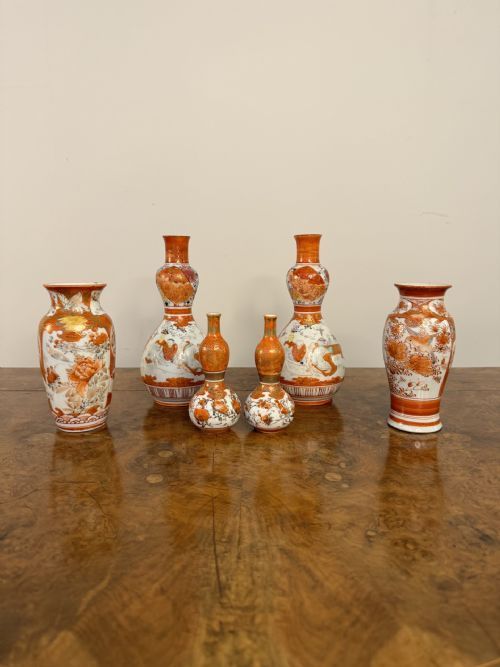
The objects available on this page include porcelain vessels such as blue and white double gourd vases, Imari plates, and Satsuma vases. Alongside ceramics, buyers frequently encounter framed works on pith paper, reverse paintings on glass, and decorative lacquer panels.
Origins range across distinct imperial periods, featuring Ming dynasty bowls, Qing dynasty paintings, and Meiji period figures. Each piece demonstrates the specific aesthetic preferences of the era in which it was produced for export.
Materials and production
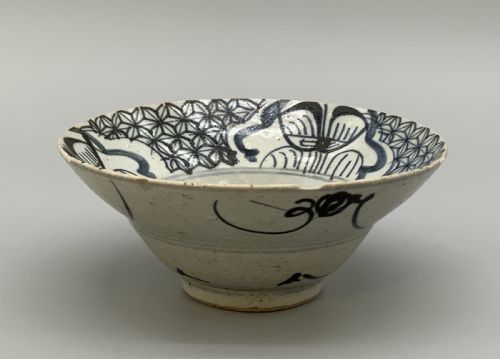
Potters utilised high-fired clay to shape bowls, dishes, and vases, often applying cobalt blue underglazes or complex polychrome enamels such as those seen on Imari and Kutani pieces. Gold leaf frequently accents the surface designs of Satsuma and Japanese export wares.
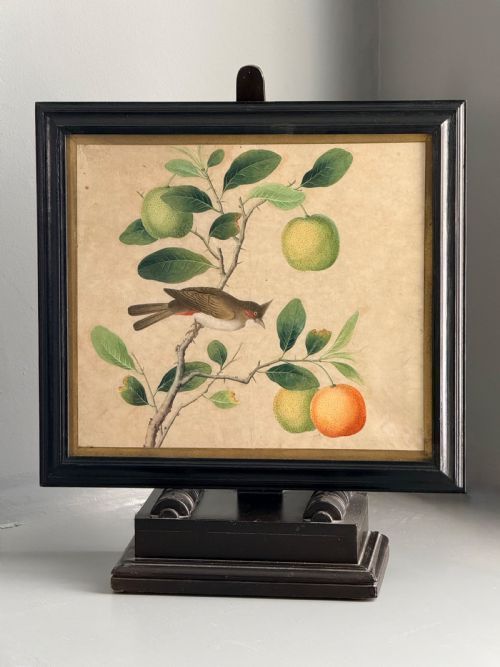
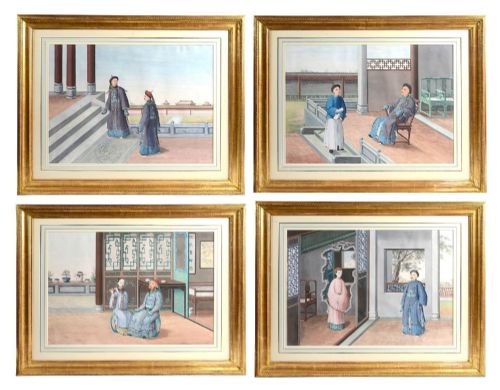
Painters employed gouache and watercolours directly onto delicate pith paper, also known as rice paper, capturing detailed botanical and figural scenes. Other artisans worked on glass, creating reverse-painted panels, or carved wooden lacquer panels for wall display.
Asian Export Art Retail Price Guide 2026
Typical asking prices for asian export art among the pieces listed under this phrase on Sellingantiques today, from the lower quarter to the upper quarter. They describe what is for sale here now, not the wider market.
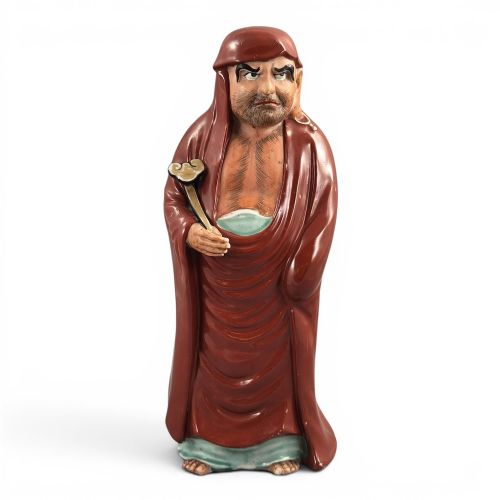
Bodhidharma gazes out from a Kutani figure, keeping watch over centuries of global trade.
Evaluating craftsmanship
The refinement of the painted brushwork largely distinguishes finer ceramic vessels and paper paintings from standard production pieces. Controlled lines, precise enamel application, and balanced composition indicate a higher level of workshop skill.
The preservation of delicate materials such as pith paper and surface finishes like gold leaf significantly influences the integrity of an object. Intact pigments and stable grounds retain the visual clarity intended by the original maker.
The Asian Export Art Glossary
- Imari
- A style of Japanese porcelain decorated in underglaze blue, iron red, and gold. This palette became widely popular across European export markets during the historic trade period.
- Pith paper
- A delicate material formed from the spongy pith of the Tetrapanax papyrifer plant. Artists used this surface for vibrant gouache and watercolour paintings.
- Satsuma
- A type of Japanese earthenware characterised by a ivory-coloured, crackled glaze. Pieces are typically decorated with elaborate polychrome enamels and gilding.
- Double gourd vase
- A ceramic vessel shaped like two stacked spheres resembling a gourd fruit. This form holds symbolic meaning in traditional Chinese culture.
- Okimono
- A Japanese decorative figurine designed for display in a traditional interior alcove. These sculpted figures often represent historical or mythological subjects.
Asian Export Art: Frequently Asked Questions
What is Asian export art?
Asian export art refers to objects created in East Asian countries like China and Japan for buyers in Europe and the West. These items include ceramics, paintings, and lacquerwork.
Craftsmen often adapted traditional domestic styles to suit the decorative tastes of foreign markets while maintaining local materials and techniques.
How do I date these pieces?
Dating relies on stylistic markers, materials, and reign or period characteristics recorded in the physical construction. Porcelain bodies, glaze formulations, and painting styles shift visibly across dynasties and centuries.
Examining the backing of panel art or the paper structure of paintings provides further clues to the manufacturing era.
How were pith paper paintings made?
Pith paper paintings were produced by slicing the internal cellular pith of a specific plant into thin sheets. Artists then applied gouache and watercolour paints directly onto the porous surface.
Because the material is fragile, these artworks were commonly mounted into albums or framed for protection.
Where should I display lacquer panels?
Oriental lacquer panels suit wall display in spaces away from direct sunlight and extreme temperature fluctuations. Stable indoor environments protect the wood and lacquer finish from drying or cracking.
Mounting them securely ensures the weight of the wooden panel is properly supported on the wall.