




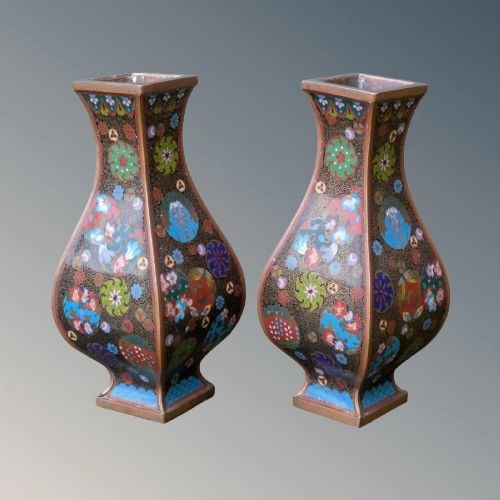


Asian Enamelware Vessel
An asian enamelware vessel brings intricate metallic wirework and rich colour into a room, offering a tangible link to traditional craftsmanship.
Asian Enamelware Vessel
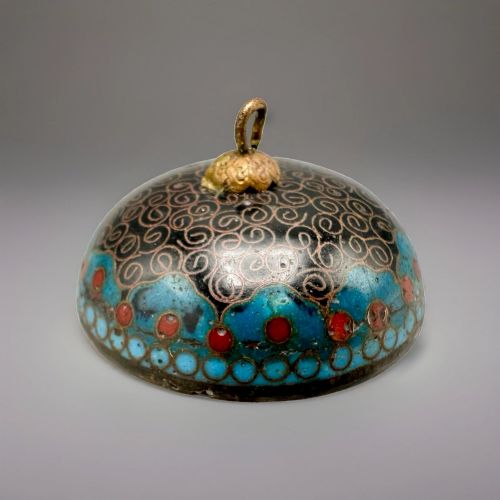
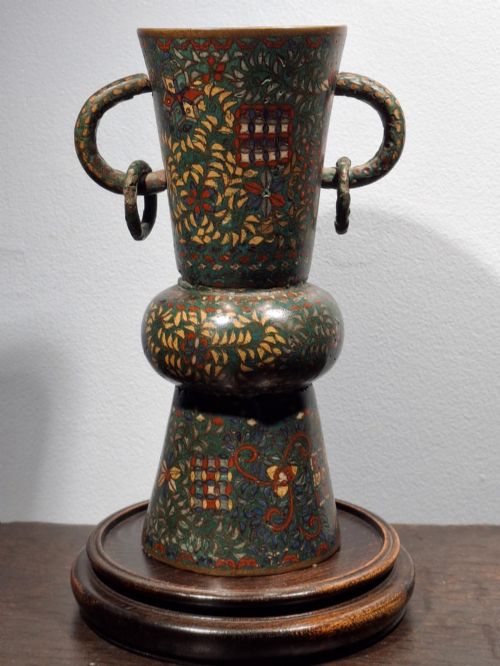
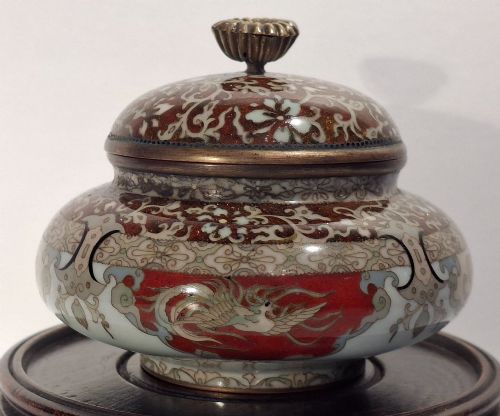
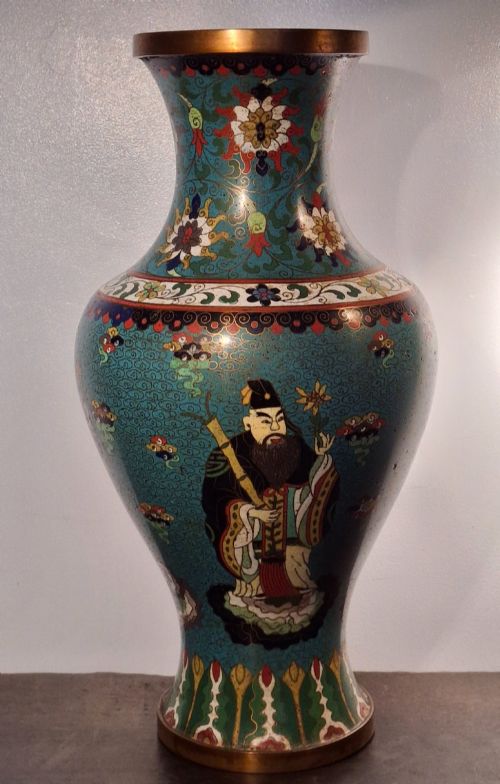
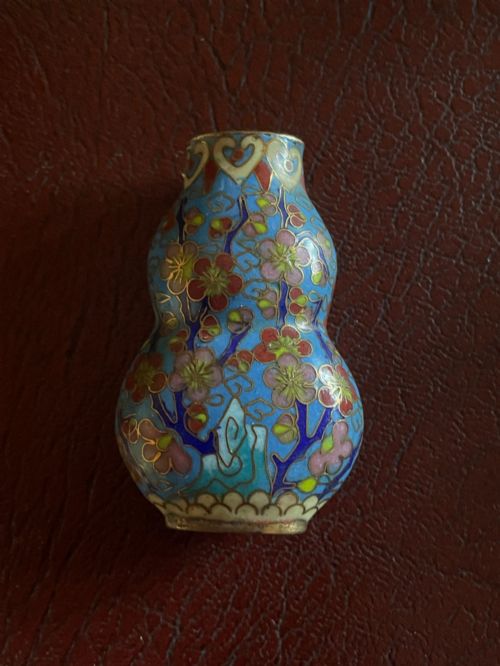
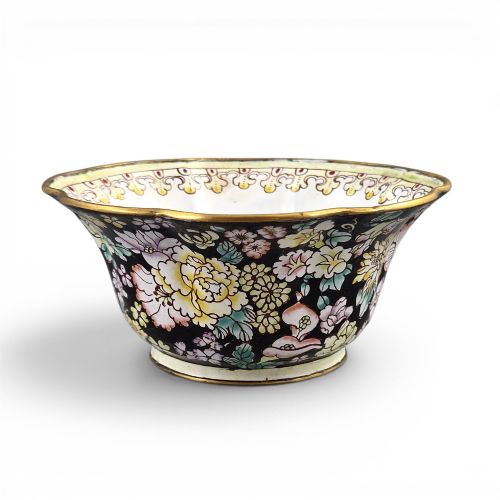
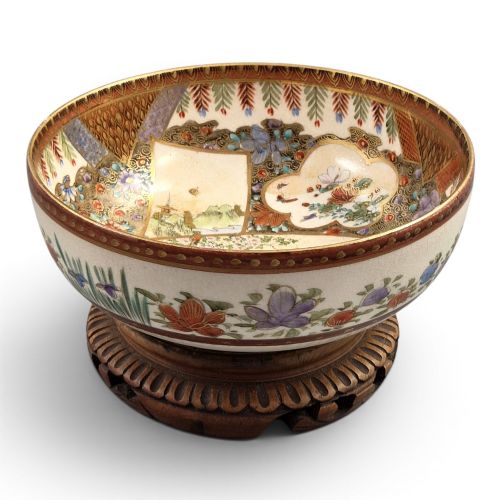
An asian enamelware vessel encompasses items such as vases, ginger jars, bowls, and incense burners created across China and Japan during the nineteenth and early twentieth centuries. These pieces display a variety of forms, from miniature ritual vessels to large decorative ginger jars and lidded pedestal bowls.
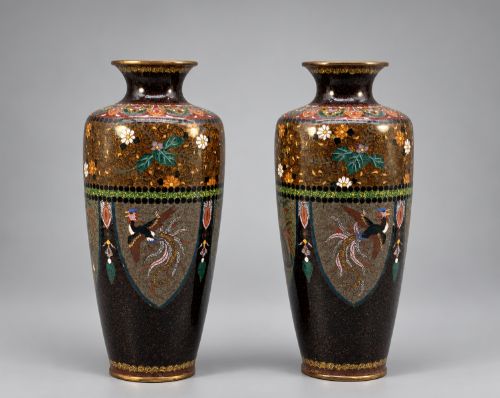
The version most frequently met on this page is the cloisonne vase originating from the Meiji period in Japan or the Qing period in China. These items range from compact ashtrays and cups to tall, elaborately decorated vases featuring scholars, elders, or phoenix motifs.
Makers and workshops across these regions utilised distinct stylistic traditions, combining metals with vibrant vitreous pastes. Collectors encounter works spanning the late Edo period through to the opening decades of the twentieth century.
How they were made
Artisans formed the foundation of an asian enamelware vessel using metals such as copper, brass, bronze, or gilt metal. Upon this metallic body, they soldered thin flat wires of copper or bronze to outline the complex decorative compartments.
Workers filled the resulting cells, known as cloisons, with powdered enamel pastes before firing the piece in a kiln. After cooling, the surface was ground smooth and polished to reveal the metallic grid shining through the coloured glass.
Certain examples incorporated additional techniques such as champleve, where troughs were carved directly into the bronze surface to hold the enamel, or applied gold leaf and silver foil for heightened detail.
Asian Enamelware Vessel Retail Price Guide 2026
Typical asking prices for asian enamelware vessel among the pieces listed under this phrase on Sellingantiques today, from the lower quarter to the upper quarter. They describe what is for sale here now, not the wider market.
Listings feature items spanning the nineteenth century through the nineteen thirties, encompassing both Chinese Qing style and Japanese Meiji period aesthetics.
What varies in quality
The standard of an asian enamelware vessel rests upon the precision and fineness of the wirework layout. Master artisans achieved incredibly narrow, uniform wire cells that formed complex pictorial scenes without distortion or uneven solder lines.
Depth and clarity of the enamel palette further separate standard production from superior examples. High quality pieces display dense, vibrant coloration and smooth, flawlessly polished surfaces free from pitting or cloudiness in the vitreous paste.
Tsukamoto Hikokichi·Kozan
The Asian Enamelware Vessel Glossary
- Cloisonne
- An enamelwork technique where thin metal wires are soldered to a metal base to create compartments for coloured paste. This method defines the majority of vessels seen on this page.
- Champleve
- A technique where depressions are carved or cast into a metal base and filled with enamel before firing. The surrounding metal remains visible as part of the design.
- Koro
- A traditional Japanese incense burner typically supported on three legs with a pierced lid. These vessels often feature intricate enamel decoration.
- Suigaraake
- A Japanese term for an ashtray, sometimes encountered among miniature enamelware objects. They demonstrate the same wirework complexity found on larger display pieces.
- Meiji period
- The era of Japanese history spanning from eighteen sixty-eight to nineteen twelve, noted for exceptional decorative arts. Vases from this time frequently exhibit meticulous cloisonne craftsmanship.
Asian Enamelware Vessel: Frequently Asked Questions
What is an asian enamelware vessel?
An asian enamelware vessel is a metal container decorated with fused glass pastes, originating primarily from China and Japan. These items include vases, bowls, jars, and incense burners produced during the nineteenth and early twentieth centuries.
Craftsmen used techniques like cloisonne and champleve to create colourful patterns depicting floral motifs, figures, and abstract designs. They served both functional and decorative roles in traditional interiors.
How do I identify a Meiji period piece?
Meiji period Japanese pieces often display exceptionally fine copper wirework and balanced symmetrical designs of birds, flowers, or mythical creatures. The enamel colours tend to be vibrant and applied over a heavy brass or copper body.
Many of these works date between eighteen sixty-eight and nineteen twelve, reflecting the opening of Japanese trade and a peak in technical mastery.
How were these vessels used originally?
Many vessels functioned as decorative display objects in scholars' studios or reception rooms, while others held specific purposes. Incense burners were used for ritual scents, and ginger jars stored precious commodities.
Smaller items like cups, mugs, and ashtrays catered to daily domestic use, combining durability with decorative appeal through their enamelled surfaces.
How should I clean my enamelware?
Dust your vessel gently with a soft, dry cloth to prevent the accumulation of dirt within the wire compartments. Avoid using chemical cleaning agents, abrasive cloths, or immersion in water.
Protect the metal and glass surfaces from sudden temperature changes and direct sunlight to preserve the richness of the enamel and the polish of the metal wire.