


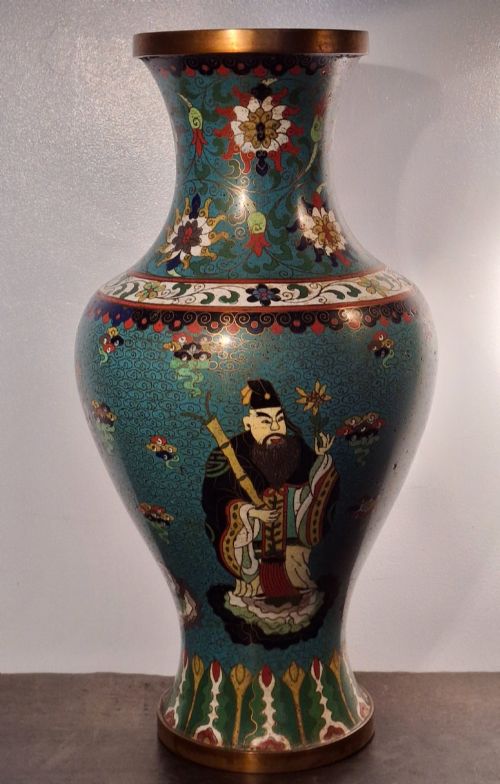
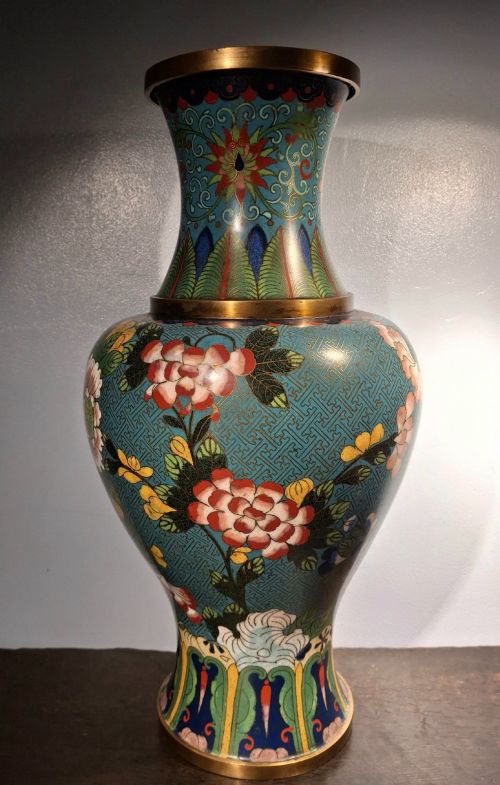
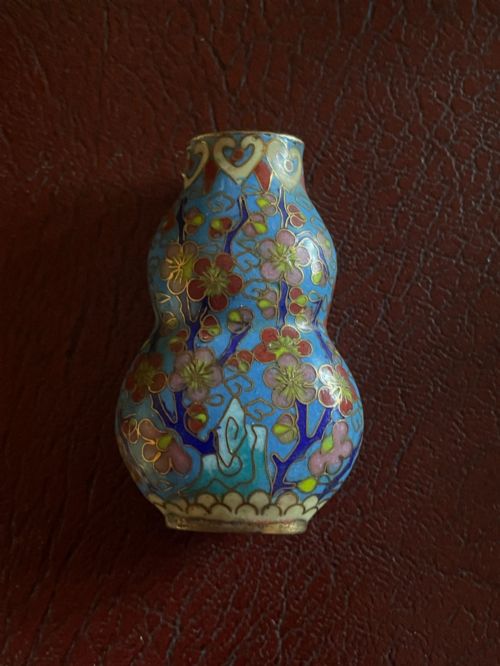
Asian Enamel Vase
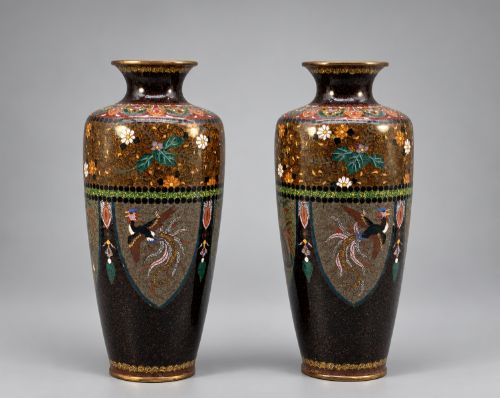
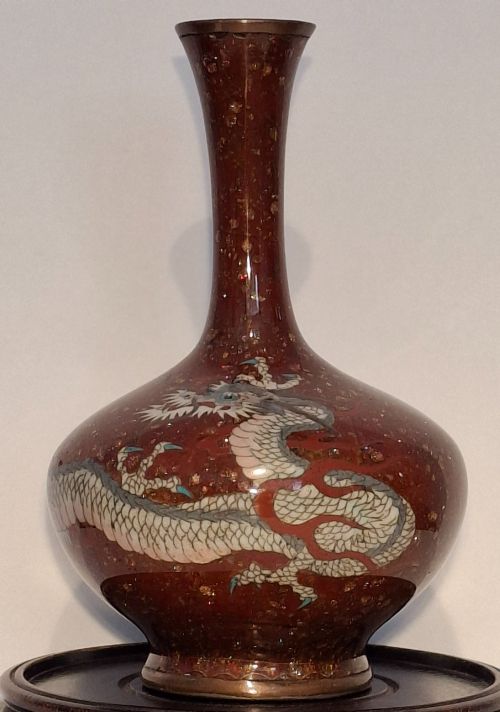
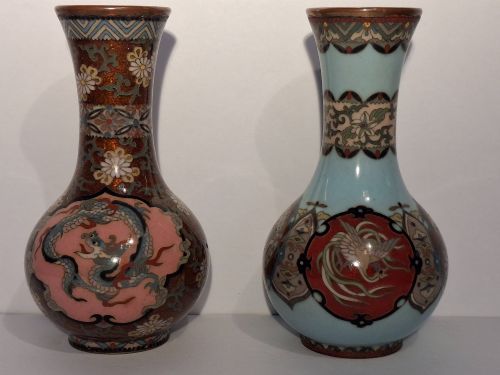
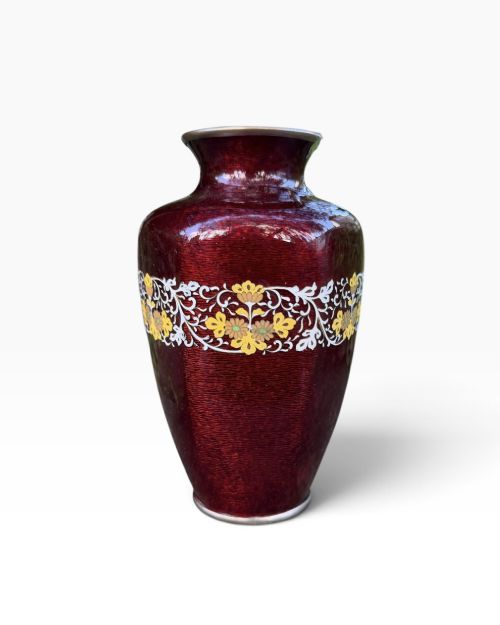
An asian enamel vase brings intricate metalwork and vibrant colour into a room, offering a tangible link to traditional craftsmanship.
Asian Enamel Vase
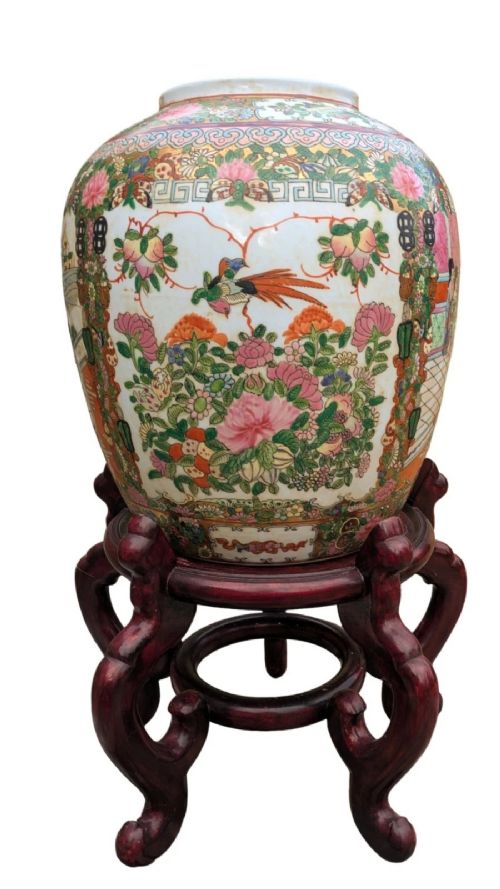
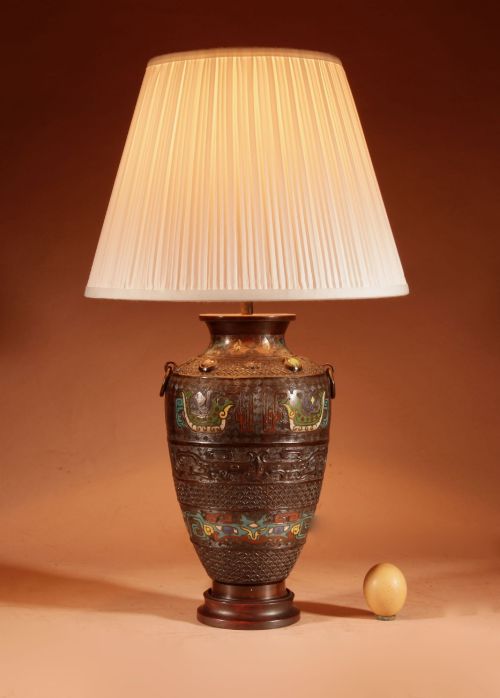
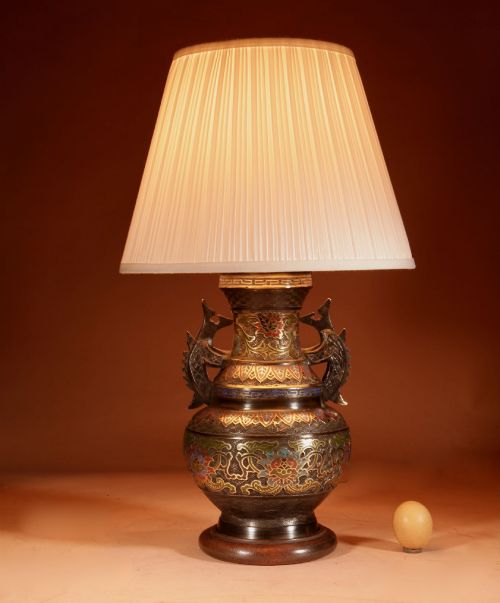
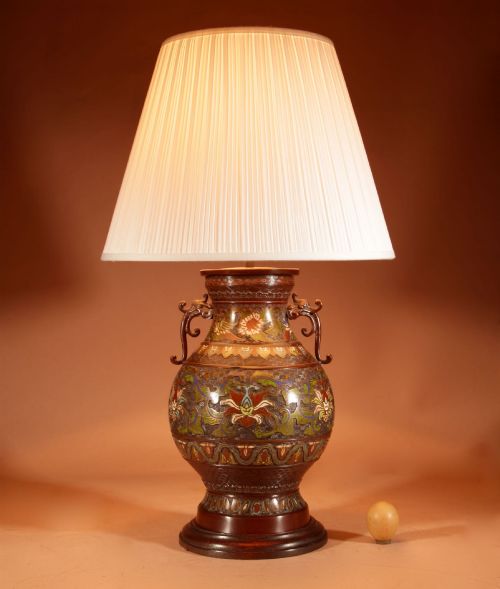
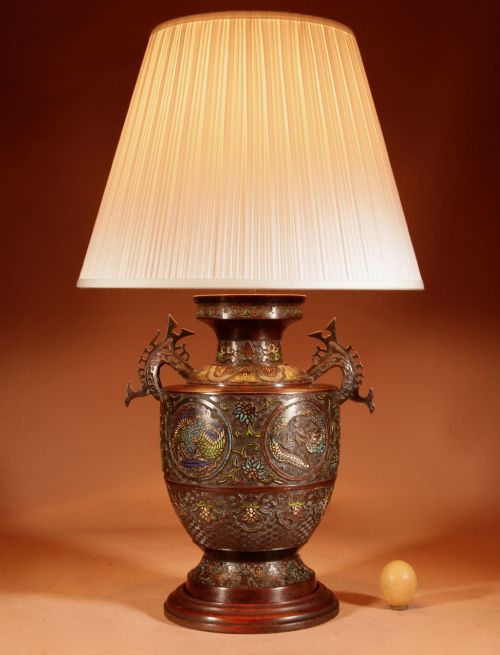
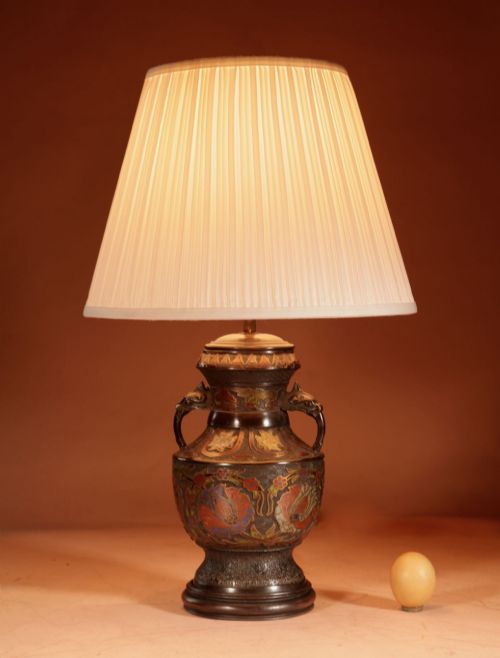
When you search for an asian enamel vase, you encounter vessels produced across distinct periods including the nineteenth century and the early twentieth century. The selection spans traditional forms such as ginger jars, jardinieres, and large palace vessels alongside adapted table lamps.
Originating predominantly from Japanese and Chinese workshops, these pieces encompass techniques from the Meiji and Qing periods. Buyers meet both miniature examples and monumental pairs designed for prominent display.
Materials and construction methods
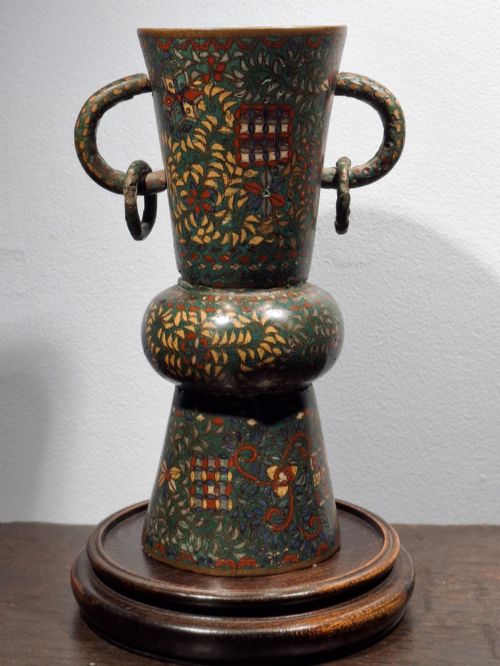
The construction relies heavily on metal bases such as bronze, brass, and copper combined with vitreous enamel. Artisans applied cloisonné and champlevé techniques, soldering thin wires or carving cells to hold coloured enamel pastes before firing and polishing.
Selected pieces incorporate gilt metal, gold leaf, and fabric elements, while related ceramic works integrate hand-painted earthenware, stoneware, and porcelain with enamel details.
Asian Enamel Vase Retail Price Guide 2026
Typical asking prices for asian enamel vase among the pieces listed under this phrase on Sellingantiques today, from the lower quarter to the upper quarter. They describe what is for sale here now, not the wider market.
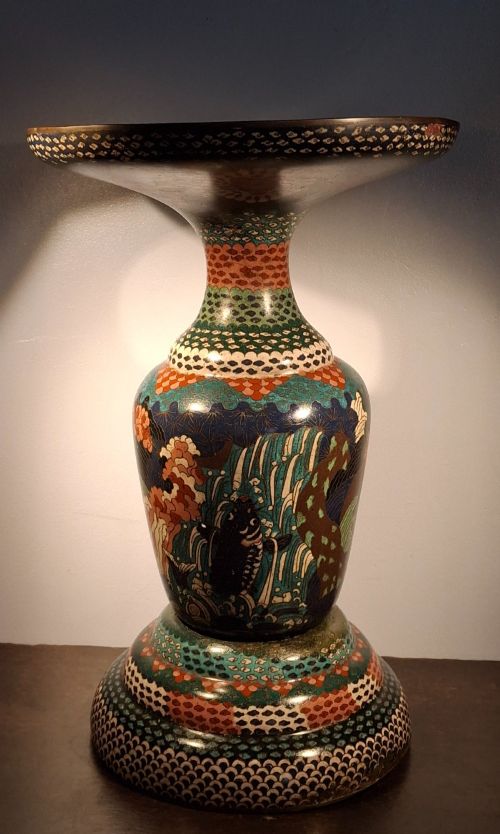
Several heavy palace vases depict koi fish or phoenix birds frozen mid-flight, bringing startled wildlife directly onto the sideboard.
Assessing craftsmanship and finish
Quality rests upon the precision of the wirework or cell carving, where tighter, more symmetrical patterns indicate superior technical control. The smoothness of the polished enamel surface and the complexity of the polychrome palette separate ordinary output from finer atelier pieces.
The crispness of signed signatures or workshop marks and the balance of the vessel form contribute further distinction. Well-preserved original mounts and stands elevate the integrity of the surviving object.
Maruni Kobe·Manpei·Makuzu Kozan II·Seiko-en Chokei
The Asian Enamel Vase Glossary
- Cloisonne enamel
- A metalworking technique where fine wire compartments are soldered to a base and filled with enamel paste. This method creates detailed pictorial and geometric designs across the body of the vessel.
- Champleve enamel
- A process in which troughs or cells are hollowed directly into a thick metal surface and filled with enamel. The resulting finish displays bold metal outlines surrounding coloured vitreous areas.
- Satsuma
- A type of Japanese earthenware featuring a crackle-glaze and elaborate hand-painted polychrome decoration. These ceramics often complement metal enamel pieces in collections of East Asian art.
- Ginger jar
- A ceramic or metal vessel characterised by a broad shoulder and a domed lid, originally used for storage. Many examples now serve purely decorative functions within domestic interiors.
- Jardiniere
- A large ornamental pot or container designed to hold plants or flowers. These sturdy vessels frequently utilise bronze or ceramic bases with decorative enamel surfaces.
Asian Enamel Vase: Frequently Asked Questions
How do I clean an antique enamel vase?
Dust the surface gently with a soft, dry cloth to prevent accumulation in the recesses of the wirework.
Avoid liquid cleaners or chemical polishes, as moisture can penetrate hairline fractures and damage the underlying metal.
Were these vases used for holding water?
Many cloisonne and metal vessels served primarily as ornamental display pieces rather than functional containers for cut flowers.
Using them with water risks corrosion to the interior metal and potential lifting of the enamel compartments.
How can I tell Meiji period pieces apart?
Meiji period works often display precise cloisonne wiring alongside distinct workshop signatures on the base or body.
Comparing the density of the pattern and the subtlety of the colour shading helps distinguish this era from later reproductions.
Can I convert an enamel vase into a lamp safely?
Historic conversions frequently involved drilling or mounting the metal base to accommodate electrical wiring.
Inspect the fitting to ensure the structural integrity of the vessel remains uncompromised by the hardware.