

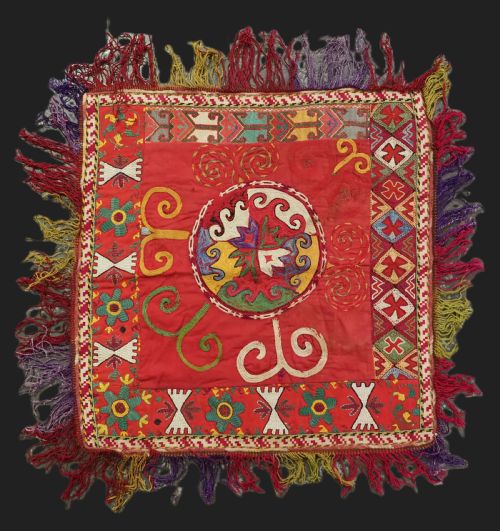
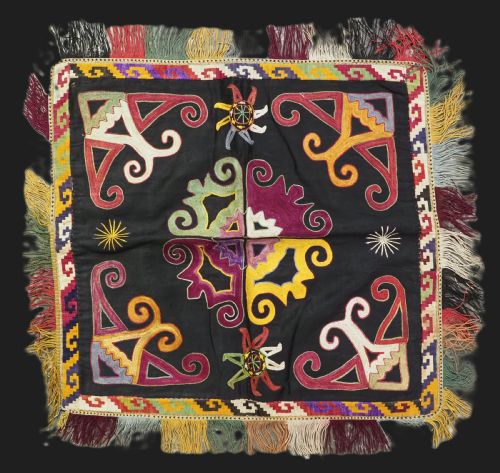

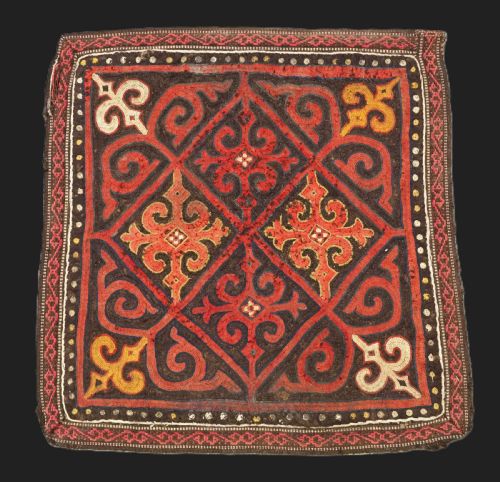
Asian Embroidered Panel
When you search for an asian embroidered panel, you enter a world of vibrant textiles created across Central Asia, China, Japan, and India during the nineteenth and twentieth centuries.
Asian Embroidered Panel
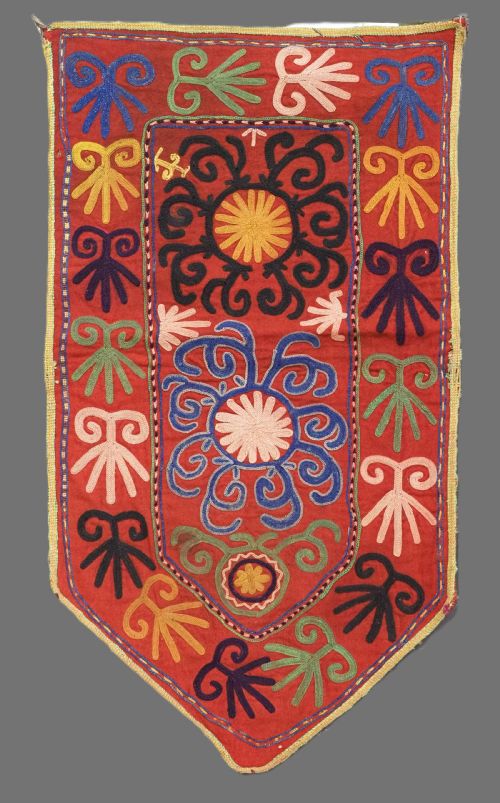
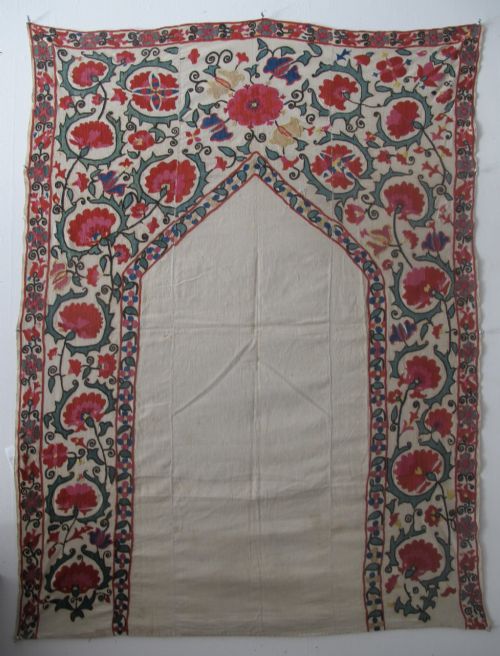
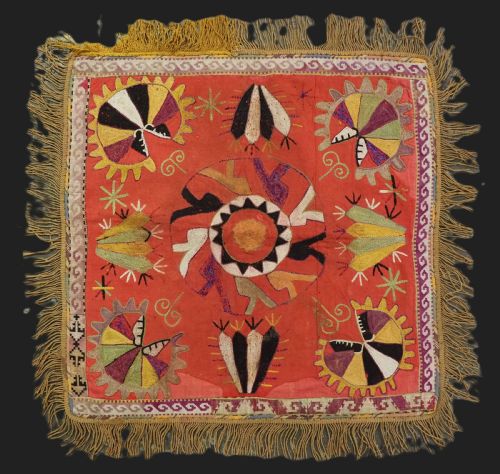
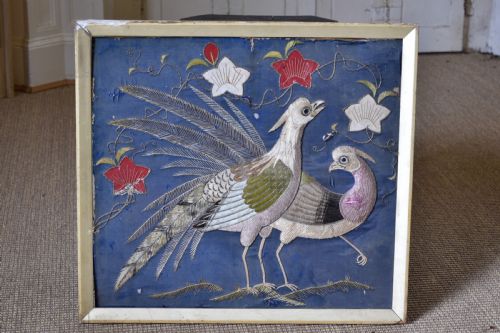
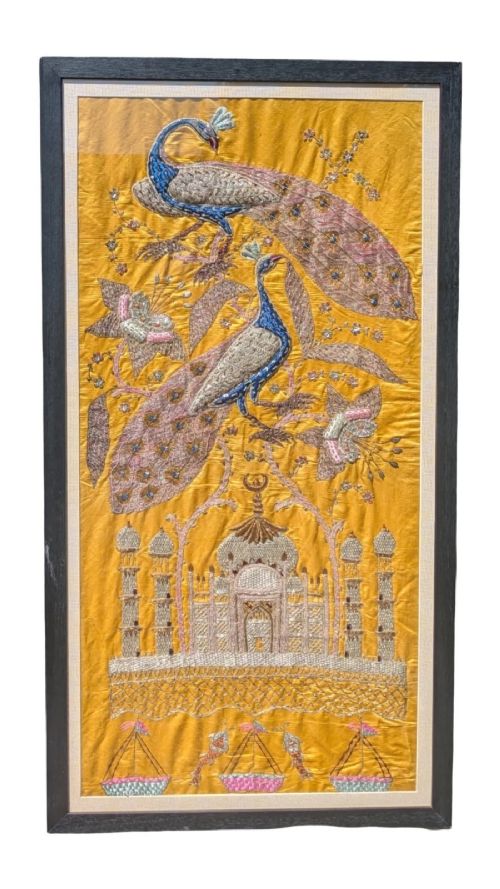
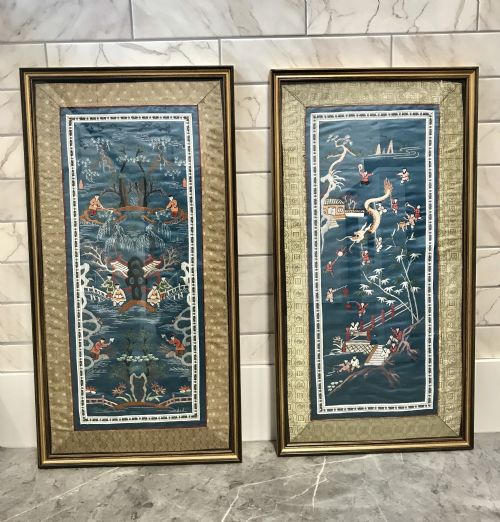
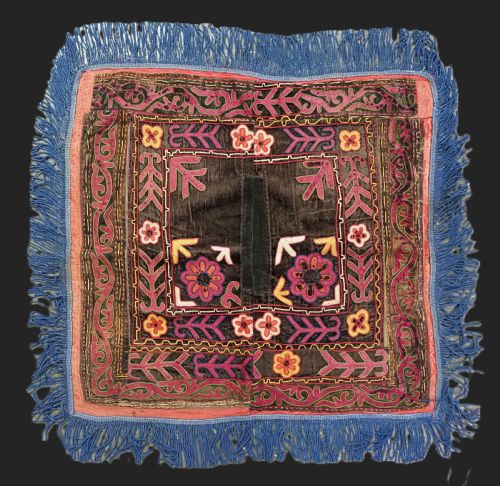
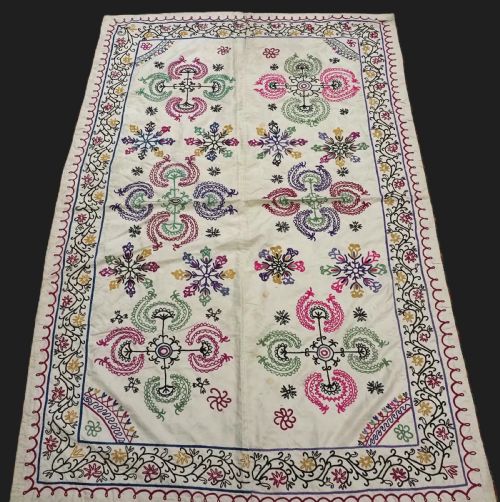
An asian embroidered panel encompasses diverse forms such as wall hangings, dowry embroideries, yurt decorations, folding screens, and framed pictures. These textiles originate from traditions including Uzbek, Lakai, Kyrgyz, Chinese, and Indian cultures spanning the 1850s to the 1930s.
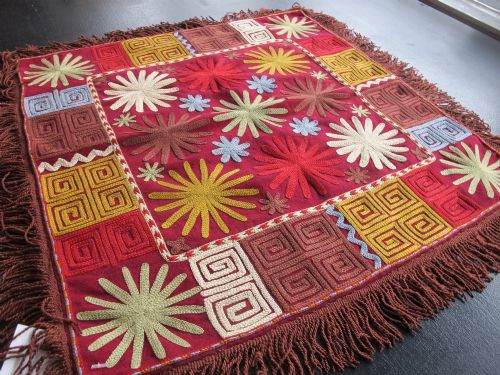
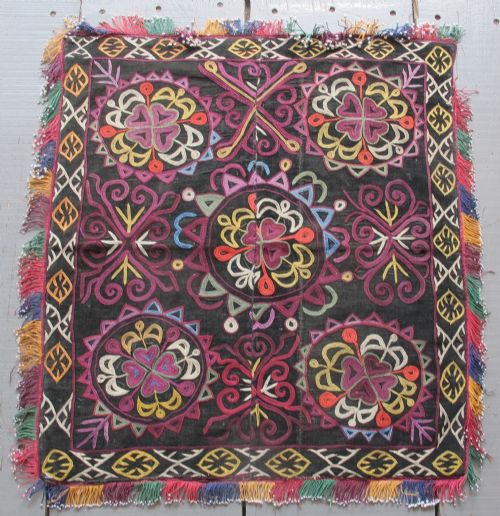
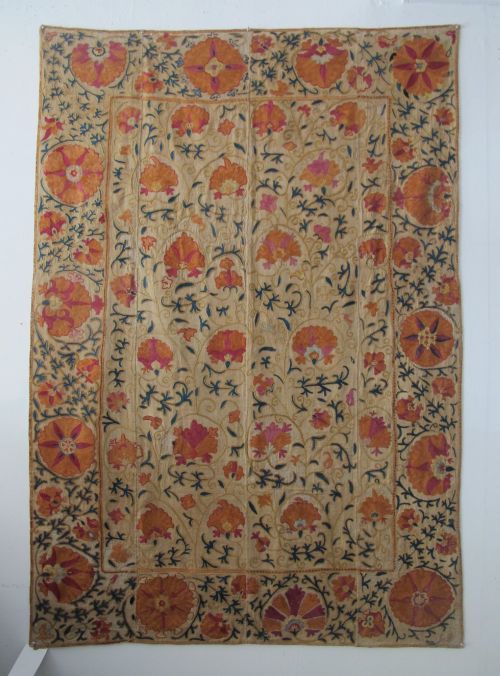
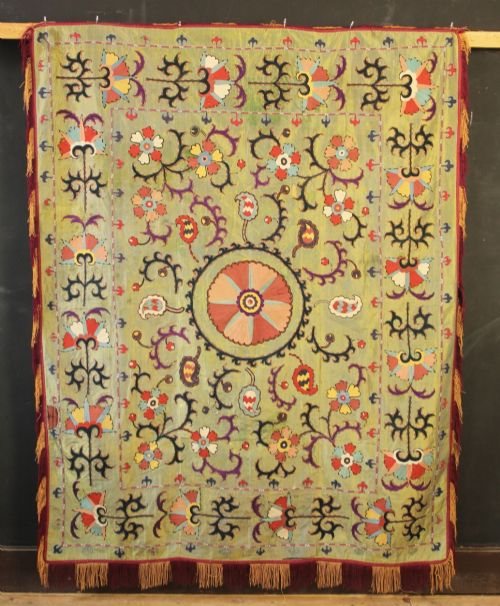
The most common examples on this page are Central Asian suzanis and ilgiches, alongside Chinese and Japanese silk panels. Collectors frequently encounter pieces worked with geometric, architectural, floral, or zoomorphic motifs on cotton, wool, or silk grounds.
Materials and Technique
Artisans constructed these panels using silk, cotton, and wool threads applied to woven grounds like adras silk-cotton mixes or felt. Metallic thread and glass beads also appear in specific regional works.
Needlework techniques range from fine hand-sewn pictorial stitching to bold geometric embroidery on felted wool. Many pieces feature silk embroidery threads laid on woven foundations to create dense floral and figural compositions.
Asian Embroidered Panel Retail Price Guide 2026
Typical asking prices for asian embroidered panel among the pieces listed under this phrase on Sellingantiques today, from the lower quarter to the upper quarter. They describe what is for sale here now, not the wider market.
Keep an eye out for embroidered geese and galloping horses hiding among the floral scrolls.
Evaluating Quality
Quality rests upon the intricacy of the needlework and the visual balance of the composition. Denser thread coverage and finer stitching distinguish superior examples.
The choice of ground material and the preservation of original dyes dictate the character of each piece. Intact frames, glass protection, and clear regional design motifs elevate certain textiles above standard examples.
The Asian Embroidered Panel Glossary
- Suzani
- A large embroidered tribal wall hanging from Central Asia, traditionally worked in silk on a cotton or linen ground with floral and vine patterns.
- Ilgich
- A small embroidered dowry hanging or utility bag produced by tribal groups such as the Lakai in Uzbekistan.
- Tush Kyiz
- A large, elaborately embroidered felt and textile wall hanging made by Kyrgyz women to decorate the interior of a yurt.
- Adras
- A traditional Central Asian fabric woven with a silk warp and a cotton weft, frequently utilised as a backing or ground for embroidery.
- Torba
- A bag face or storage hanging produced by nomadic tribes, featuring distinctive geometric or zoomorphic embroidery.
Asian Embroidered Panel: Frequently Asked Questions
How were suzanis used?
Suzanis served primarily as ceremonial wall hangings in Central Asian homes, often created as part of a bride's dowry.
Families also utilised them as bedcovers or wrappings for household goods during nomadic migrations.
How do I date an embroidered panel?
Dating relies on examining the materials, such as aniline versus natural dyes, and the type of base fabric like hand-woven cotton or commercial cloth.
Stylistic markers and traditional tribal motifs also provide clues to whether a piece originates from the nineteenth or early twentieth century.
How do I care for an antique textile?
Keep embroidered panels away from direct sunlight to prevent the silk threads and dyed grounds from fading over time.
Mount them securely without putting undue tension on the fragile historic fabrics and backing materials.