
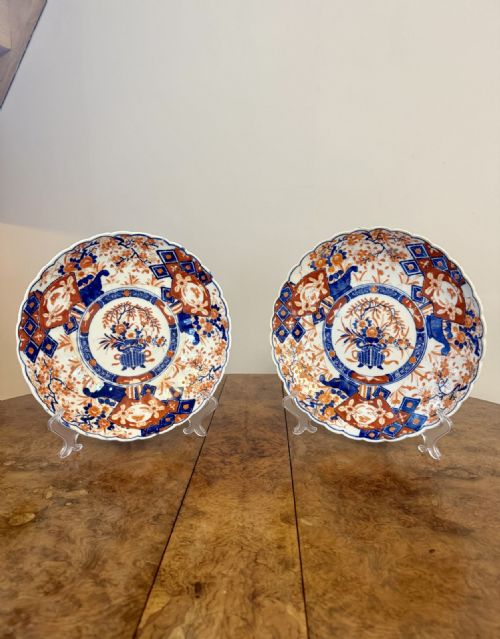


Asian Decorative Wall Plate
An asian decorative wall plate brings rich hand-painted detail and metalwork from nineteenth and early twentieth century workshops into a modern interior.
Asian Decorative Wall Plate
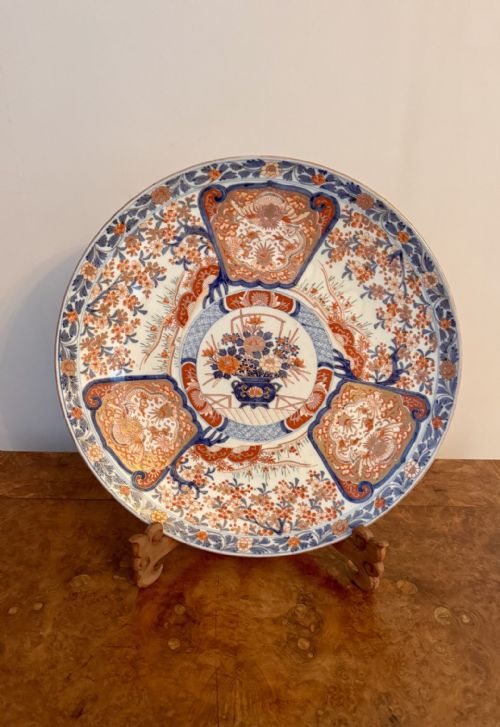
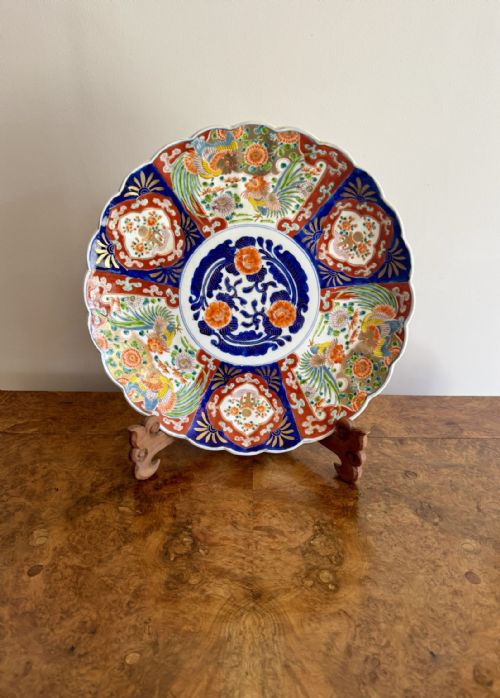
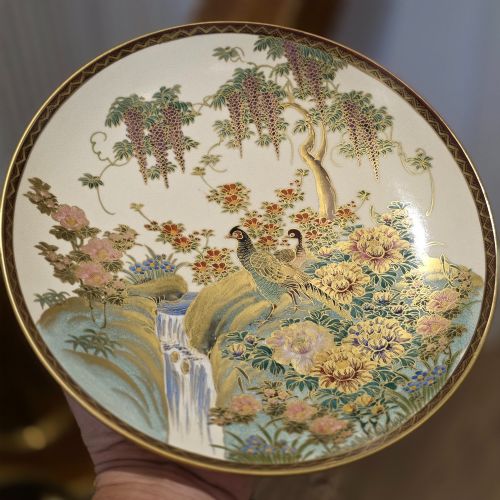
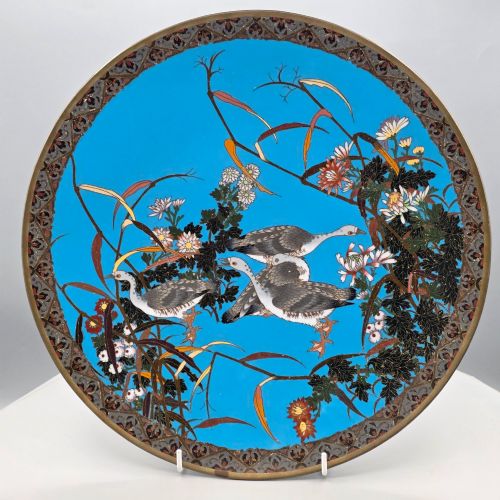
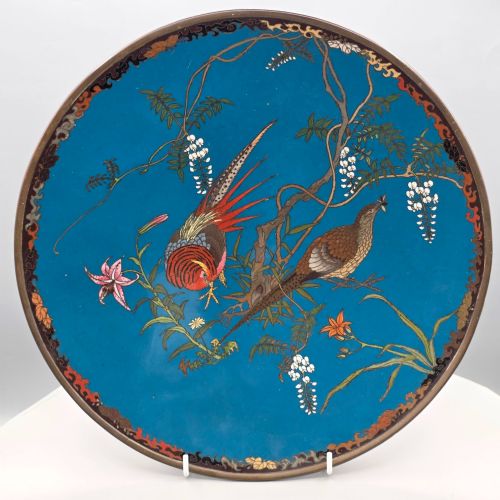
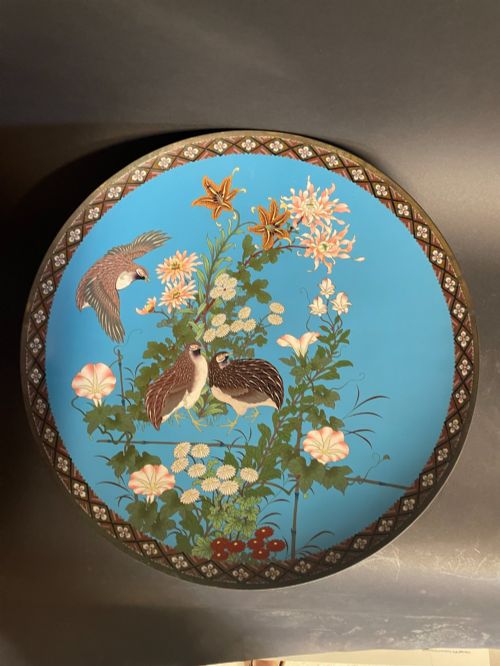
An asian decorative wall plate encompasses large porcelain chargers, bronze plaques and lacquered wood platters originating from Japanese and Chinese kilns and studios. The selection relies heavily on Meiji period cloisonne enamel and Japanese Imari porcelain dishes.
Makers produced these decorative objects across the nineteenth century and into the early decades of the twentieth century, with pieces spanning the Edo period through to the Taisho era. Buyers encounter circular chargers and plates designed specifically for display on walls or surfaces.
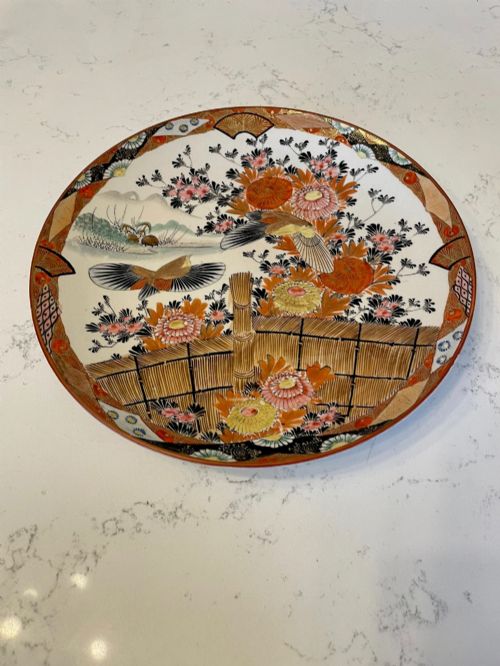
Subjects range from traditional floral patterns and birds such as geese and phoenixes to mythical figures, dragons and historical scenes executed in rich glazes or metal wire.
Materials and technique
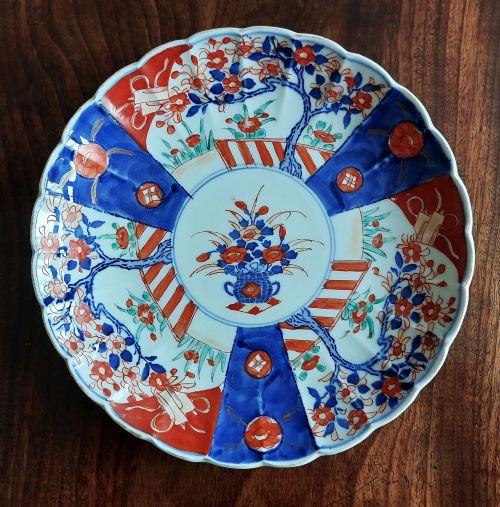
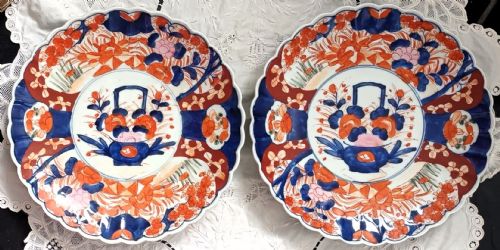
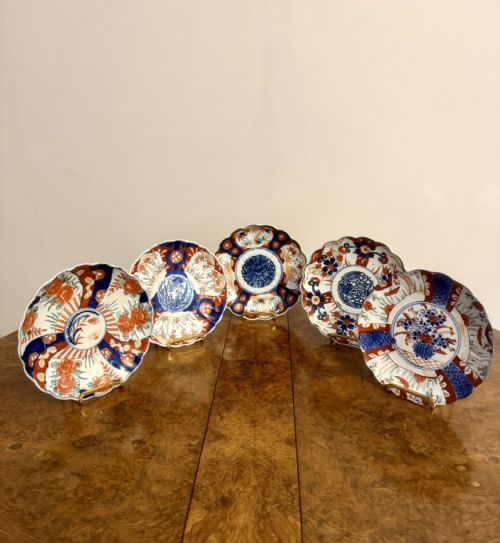
Porcelain bodies receive hand-painted cobalt blue and iron red glazes, often heightened with gold leaf in traditional Imari and Kutani styles. Artisans built cloisonne enamel pieces by soldering delicate copper or brass wires to a metal base before filling the resulting cells with coloured enamel pastes and firing the surface.
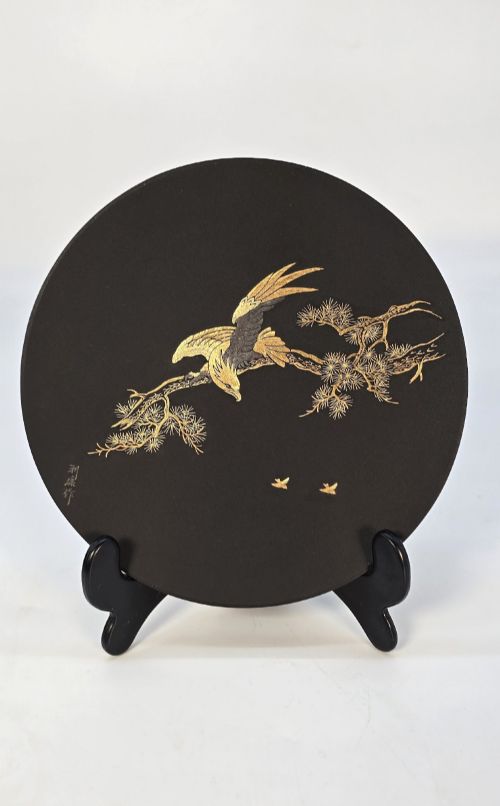
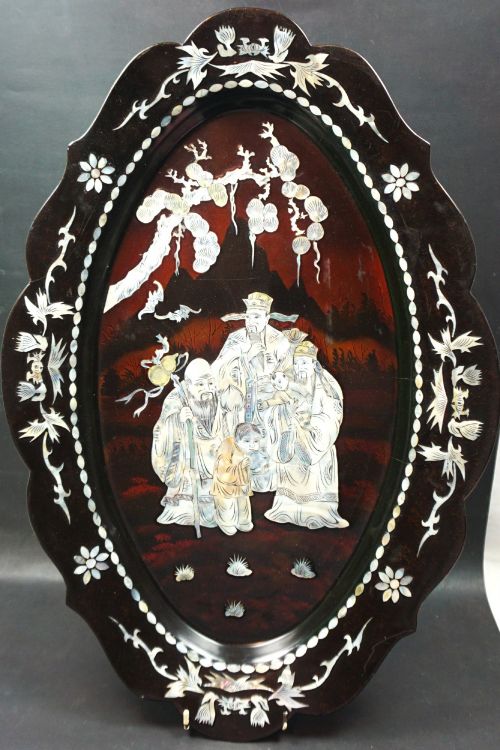
Alternative items utilise patinated iron or bronze with gold and silver inlay, alongside carved lacquered wood inset with mother of pearl. Each method requires precise manual skill to achieve the detailed fauna, avian subjects and geometric borders seen across the inventory.
Listings feature items spanning the nineteenth century through the 1920s, utilising porcelain, copper, bronze, and cloisonne enamel.
Defining execution
Quality rests upon the precision of the hand-painted brushwork and the complexity of the design layout, such as the density of wirework in cloisonne or the clarity of polychrome glazes on porcelain. Masterpieces display intricate subjects like leaping koi, dragons or multi-figure compositions with exceptional fineness.
The weight of the metal base, the evenness of the fired glaze and the preservation of original gold leaf or inlay distinguish standard commercial output from exceptional studio pieces bearing known signatures.
Koshida·Meizan
The Asian Decorative Wall Plate Glossary
- Imari
- A style of Japanese porcelain decorated in underglaze blue, iron red and gold, originating from the Arita area. These plates often display busy geometric and floral panels.
- Cloisonne
- A metalwork technique where fine wire is soldered to a bronze or copper body to create compartments filled with enamel paste. Artisans fire and polish the surface until smooth.
- Charger
- A large decorative plate intended for display on a wall or sideboard rather than for dining use. They provide a broad canvas for complex pictorial scenes.
- Kutani
- A style of Japanese porcelain known for bold polychrome painting and generous use of gold. Subjects frequently include landscapes, birds and figures.
- Satsuma
- Earthenware pottery with a fine crackle glaze, typically decorated with elaborate multi-figure scenes and moriage enamel relief. These wares gained significant popularity for export during the Meiji period.
Asian Decorative Wall Plate: Frequently Asked Questions
How do I hang a heavy charger?
Heavy ceramic chargers and bronze plates require specialised, spring-loaded wall hangers or custom bracket mounts that distribute the weight evenly around the rim without slipping.
Ensure the wall fixing secures directly into a stud or utilises appropriate masonry plugs to support the substantial weight safely.
What is the difference between Imari and Kutani?
Imari porcelain relies on a distinct palette of cobalt blue underglaze combined with iron red and gold overglaze, featuring structured panel designs. Kutani porcelain utilises a wider, bolder range of polychrome colours with heavy emphasis on pictorial scenes.
Both styles originated in Japanese kilns during earlier centuries and continued into the export markets of the Meiji period.
How do I clean antique enamel plates?
Dust these delicate metal and enamel surfaces gently with a soft, dry cloth to prevent scratching the glaze or wirework. Avoid chemical cleaners, immersion in water or abrasive polishes that can damage the patina or lift fragile gold leaf.
Professional restoration may be required for deep cleaning if the piece has accumulated stubborn residue over decades.
Are these plates meant for food?
Decorative chargers and plaques from the nineteenth and early twentieth centuries served primarily as display items for homes and export markets. Many feature lead-containing glazes, delicate metal cloisonne wire or lacquered surfaces unsuited for culinary use.
Enjoy these pieces as wall art or tabletop ornaments rather than functional tableware.