
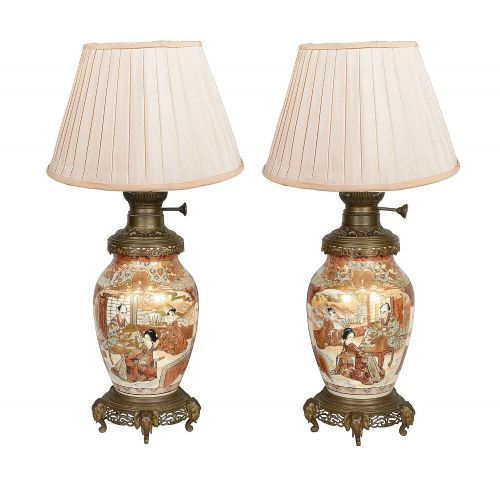


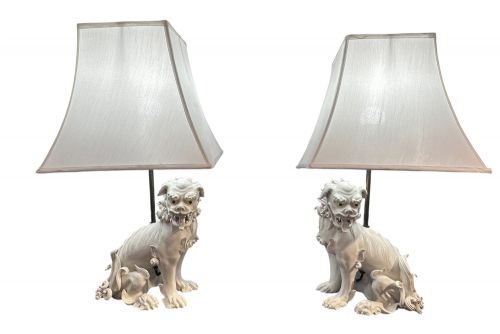


Asian Ceramic Table Lamp
An asian ceramic table lamp brings rich colour and quiet form into a room, turning antique vases into practical lighting.
What They Are
An asian ceramic table lamp takes a historic vessel and converts it for modern domestic illumination. These pieces bridge centuries of design, putting antique porcelain and earthenware onto a wooden or brass base.
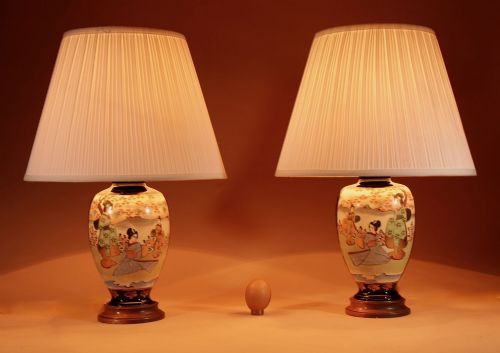
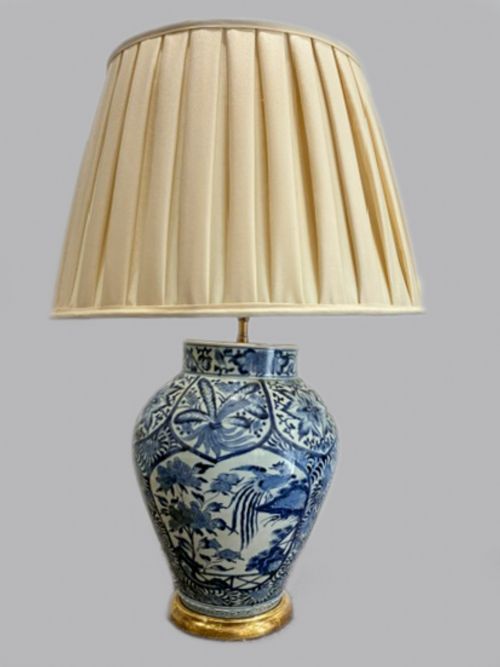
The selections on this page span several distinct periods, drawing from the 18th century, the 19th century, and the early 20th century. Forms range from monumental baluster vases to refined Satsuma and Arita wares.
Stylistic influences include the Qing Dynasty, Japanese Edo and Meiji periods, alongside European Chinoiserie and Japonesque interpretations. Each lamp repurposes a historic ceramic object into a functional centrepiece.
How They Were Made
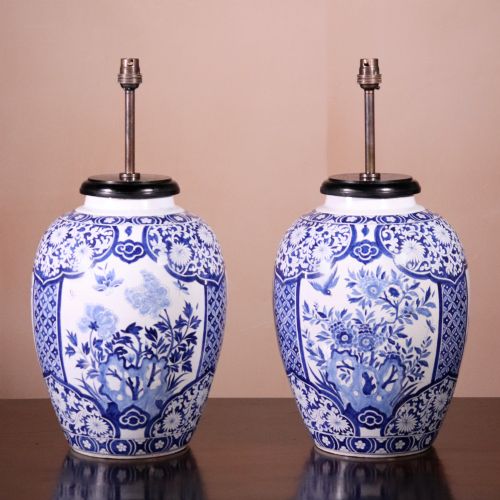
Makers fashioned the main body of each asian ceramic table lamp from porcelain or earthenware, often decorated with intricate hand-painted blue designs or celadon glazes. These ceramic bodies originated as vases before their later conversion into lamps.
Conversion typically involved mounting the ceramic vessel onto a wooden or brass base, fitted with electrical wiring and paired with a silk shade. This method preserved the original antique vase while adapting it for interior lighting.
Retail Price Guide 2026
Typical UK retail prices for asian ceramic table lamp, calculated from the Sellingantiques database of over a million retail prices indexed since 2003. This retail price guide relies exclusively on Sellingantiques data; no external sources or auction records are used, so the figures do not describe the wider market.
Current listings span the 18th century, 19th century, and 1920, utilising porcelain, earthenware, brass, wood, and silk.
What Varies in Quality
The distinction between ordinary and exceptional examples rests upon the age, origin, and artistic merit of the underlying ceramic vessel. Pieces originating from the 18th century or the Qing Dynasty carry greater historical weight than later 19th-century or 1920s adaptations.
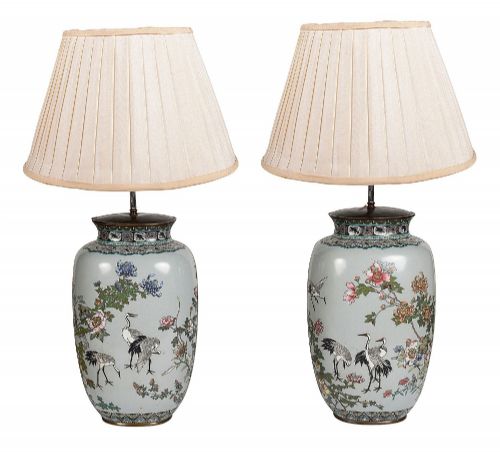
Execution of the painted decoration and the subtlety of the glaze, such as celadon or Arita porcelain, dictate the visual depth of the object. The integration of the wooden or brass mounts also defines the overall harmony of the piece.
The Asian Ceramic Table Lamp Glossary
- Celadon
- A type of transparent green glaze applied to porcelain, producing subtle jade-like tones. This finish has a long history in Asian ceramics.
- Baluster
- A vase form characterised by a bulbous lower portion that tapers towards the neck. It provides a stable and balanced shape for a table lamp.
- Arita
- A Japanese town renowned for producing early porcelain wares for export. Pieces from this tradition display fine painted detail.
- Satsuma
- A type of Japanese earthenware featuring a crackled glaze and elaborate enamel decoration. These ceramics were frequently adapted into decorative lighting.
- Chinoiserie
- A European artistic style reflecting Chinese aesthetic influences. Artisans applied these decorative motifs across various decorative arts.
Frequently Asked Questions
Are these lamps converted antique vases?
The listings show that many of these items begin life as historic porcelain or earthenware vases from periods like the 18th and 19th centuries. Artisans later mount and wire these vessels to serve as functional table lighting.
This conversion process retains the original character of the antique ceramic body while adding modern electrical fittings and shades.
How do I date an asian ceramic table lamp?
Dating relies primarily on the style, material, and period of the ceramic vessel itself rather than the electrical components. The evidence includes pieces from the 18th century, the 19th century, and 1920.
Examining the glaze, painting technique, and specific stylistic markers such as Qing Dynasty or Japanese Edo characteristics helps establish the age of the base.
What materials make up these lamps?
The primary materials visible in the construction are porcelain and earthenware for the main body of the lamp. These are supported by mounts and fittings made from brass and wood, often accompanied by silk shades.
Each material contributes to the structural balance and aesthetic weight of the finished piece.
How do I place one in a room?
An asian ceramic table lamp works well as a focal point on a sideboard, desk, or side table. The substantial size of pieces like baluster vases requires a sturdy surface with adequate space around it.
The rich colours and historical designs complement both traditional interiors and more eclectic modern spaces.