


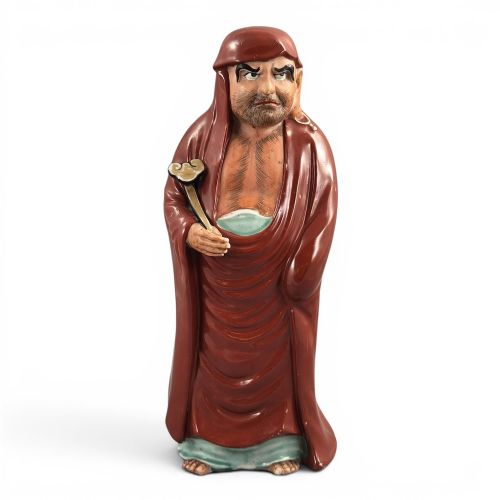


Asian Ceramic Sculpture
These asian ceramic sculpture pieces span figures, deities and animals modelled in porcelain, earthenware and terracotta.
Asian Ceramic Sculpture
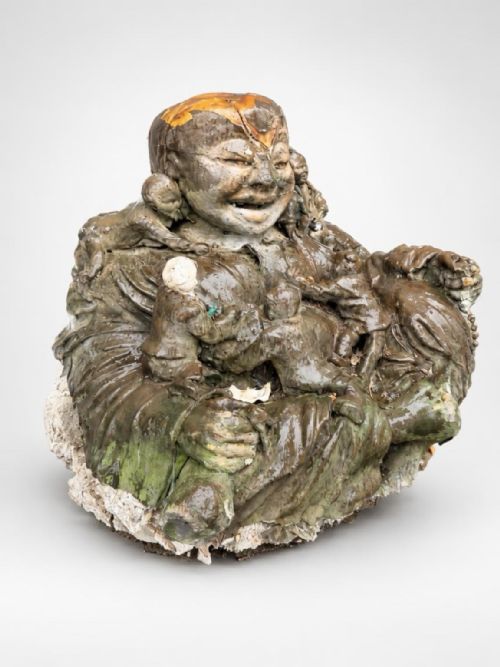
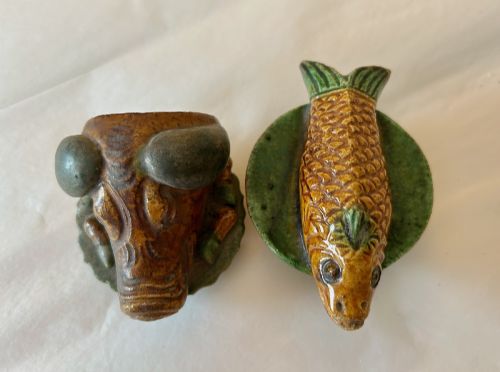
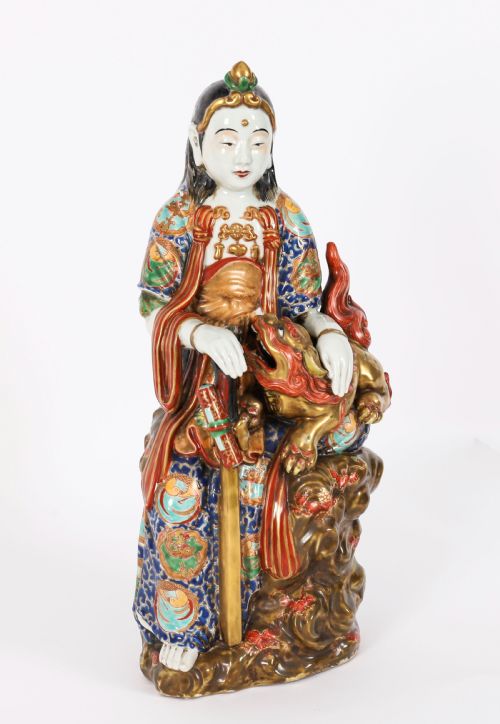
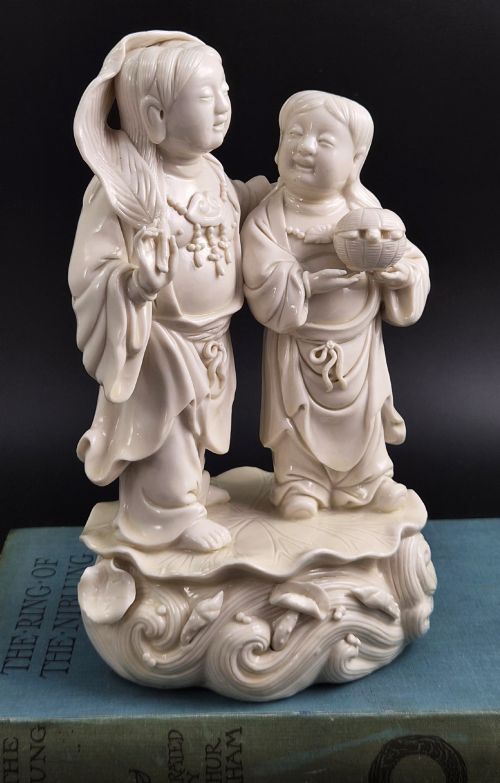
When you search for asian ceramic sculpture, you encounter figures ranging from Buddhist deities and mythological animals to secular portraits produced across Japanese Meiji and Chinese Imperial workshops. These pieces appear as standalone sculptures, pairs of cranes or ducks, and roof ornaments spanning the eighteenth, nineteenth and early twentieth centuries. The selection relies heavily on Japanese Kutani and Satsuma wares alongside Chinese sancai glazed pottery and Ming style figures.
Gods of longevity, Buddhist lions and depictions of Kannon dominate the forms, reflecting both domestic shrines and export markets of the period. Makers utilised traditional hand-modelling and casting techniques to shape terracotta, earthenware and hard-paste porcelain before applying enamels, gold leaf and coloured glazes. The resulting objects capture characters from folklore and religion with distinct regional ornamentation.
Materials and Techniques
Potters shaped these works from terracotta, earthenware and fine porcelain, often finishing the surfaces with lead-based glazes, enamel pigments or gold leaf details. Sancai glazes produced the amber, green and cream tones seen on Tang style pottery and Ming style figures, while Kutani and Satsuma pieces relied on intricate overglaze enamel work.
Asian Ceramic Sculpture Retail Price Guide 2026
Typical asking prices for asian ceramic sculpture among the pieces listed under this phrase on Sellingantiques today, from the lower quarter to the upper quarter. They describe what is for sale here now, not the wider market.
Several ceramic ducks stare back with immutable calm, refusing to explain their presence among the deities.
Judging Quality
The standard of an asian ceramic sculpture rests upon the precision of the modelling and the control of the glaze or enamel work. Finer examples display crisp facial expressions, well-defined drapery folds and carefully applied gold leaf or polychrome enamels without bleeding.
Scale and ambition also distinguish the pieces, separating standard decorative items from imposing pairs of cranes, large temple figures and complex multi-figure groups. The depth of the relief work and the complexity of the kiln effects directly indicate the skill of the original workshop.
Makuzu Kozan II
The Asian Ceramic Sculpture Glossary
- Okimono
- A Japanese ornamental statue or sculpture designed for display in a domestic alcove. These figures often depict deities, historical personages or animals.
- Kutani
- A style of Japanese porcelain characterised by vibrant overglaze enamel painting, frequently incorporating rich reds and gold.
- Satsuma
- A type of Japanese earthenware featuring a crackle glaze decorated with polychrome enamels and gilt.
- Sancai
- A traditional Chinese three-colour glaze technique used predominantly on earthenware during earlier dynasties and later revived.
- Guanyin
- The Buddhist bodhisattva of compassion, frequently rendered as a female figure in Chinese and Japanese ceramics.
Asian Ceramic Sculpture: Frequently Asked Questions
What do these figures represent?
Many depict Buddhist deities, Daoist immortals, mythical beasts and figures from regional folklore intended to bring protection or good fortune.
Others portray secular subjects such as musicians, attendants and animals modelled to ornament interiors and gardens.
How do I date a ceramic sculpture?
Dating relies on stylistic markers, clay composition, glaze characteristics and kiln technology associated with specific periods like the Meiji era or Qing Dynasty.
Base wear, potting weight and the composition of enamel pigments provide further clues regarding the era of production.
Where were these sculptures displayed?
Historical settings included household altars, display alcoves, temples and scholar's desks where small figures and okimono received quiet contemplation.
Larger pairs of birds and roof ornaments served an architectural or grand decorative function in exterior and interior spaces.
How do I care for antique ceramic figures?
Display the pieces away from direct sunlight and sudden temperature shifts to protect fragile overglaze enamels and gold leaf decorations.
Dust gently with a soft, dry brush and avoid chemical cleaning agents that might harm the porous earthenware or glaze surfaces.