
Asian Carved Table
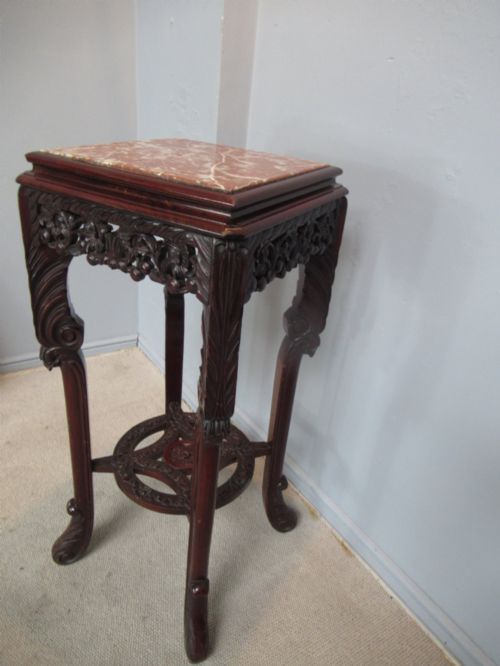
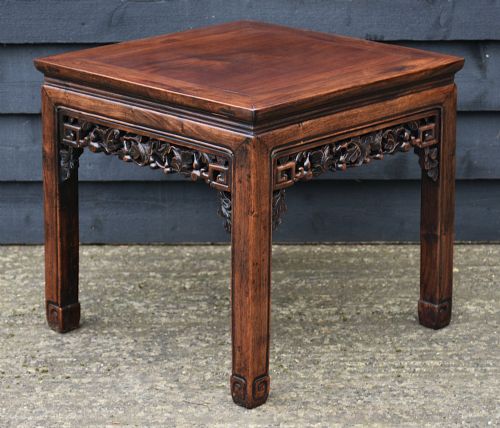
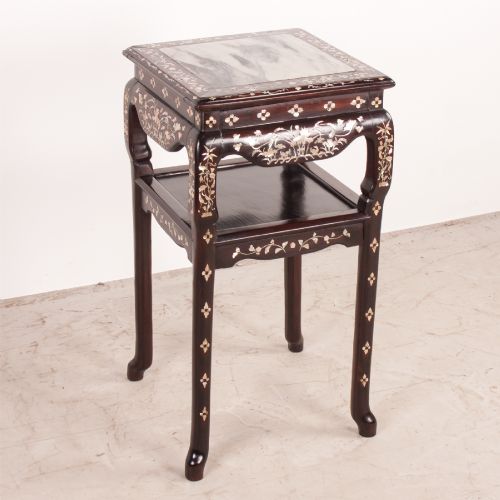
An asian carved table brings heavy hardwood, marble inserts, and intricate low relief into a room with genuine presence.
Asian Carved Table
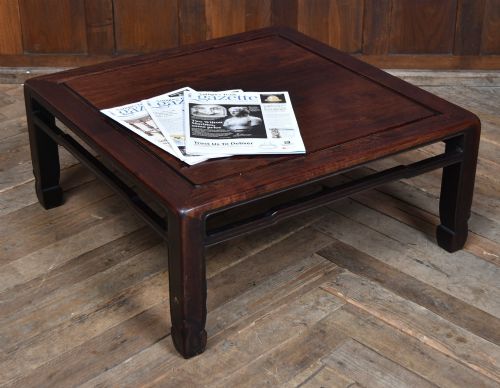
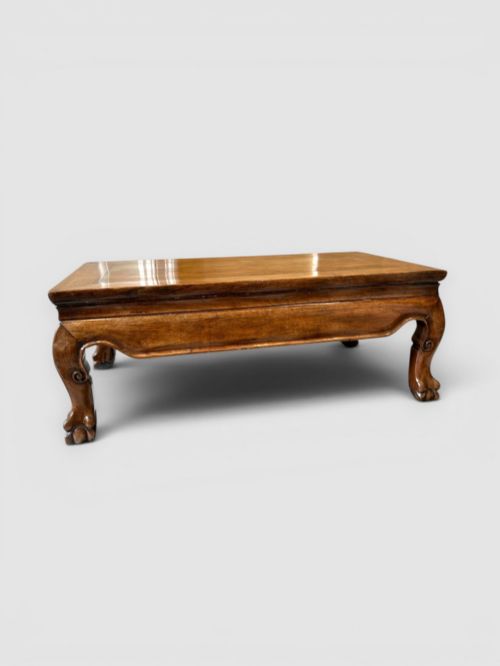
The selection here encompasses regional Chinese output from the Qing dynasty alongside Japanese pieces from the Meiji period. Forms range from compact opium tables and altar benches to larger console tables and occasional tables with intricate detailing.
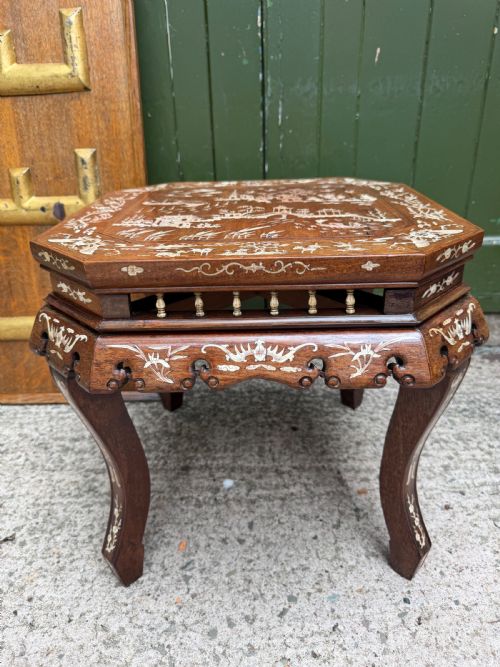
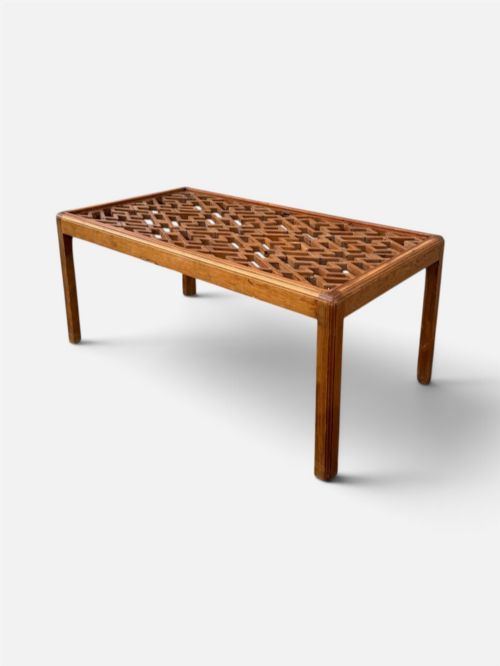
Coffee tables and side tables dominate the current selection, often incorporating inset marble panels or intricate fretwork. Plant stands and nested tables appear frequently, serving functional roles in contemporary interiors.
Materials and technique
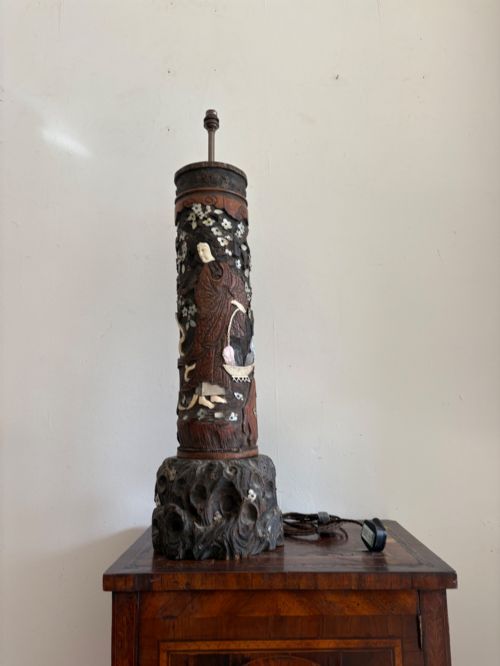
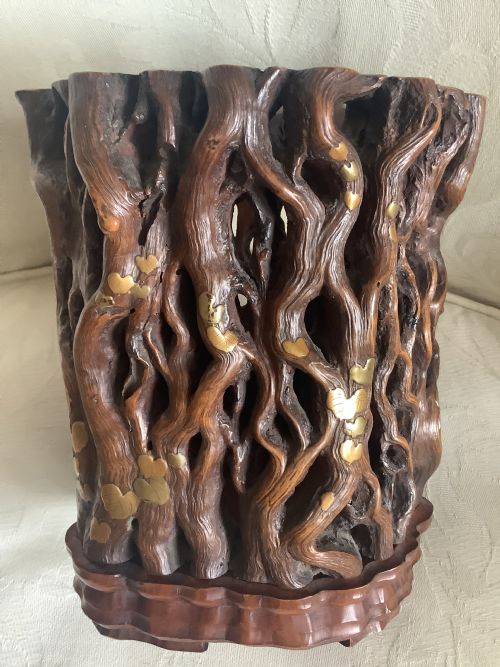
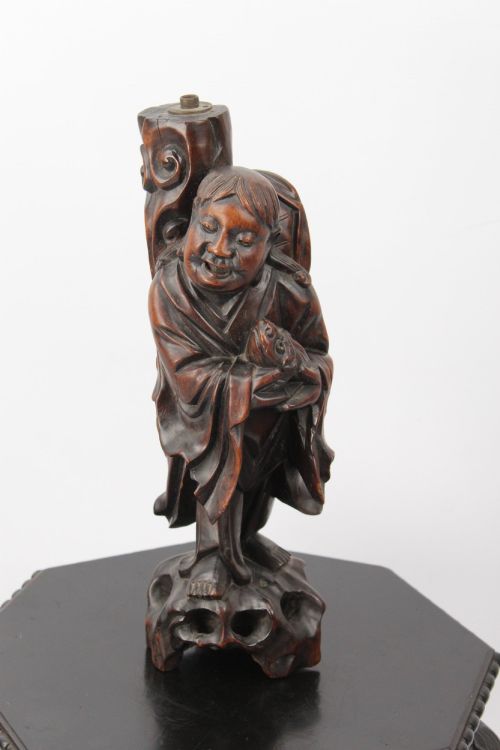
Cabinetmakers utilised dense Asian hardwoods including rosewood, huanghuali, and elm, relying on traditional joinery that avoided metal fasteners. Surfaces frequently incorporate carved relief work depicting dragons, floral motifs, or symbolic figures.
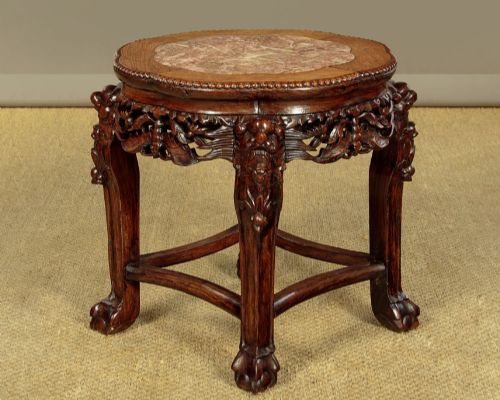
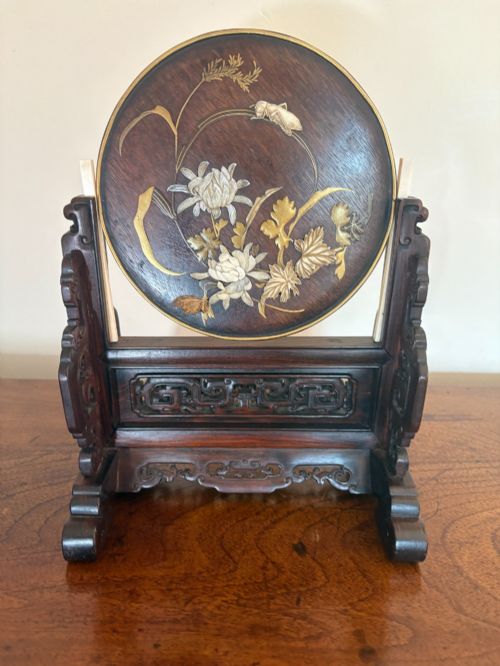
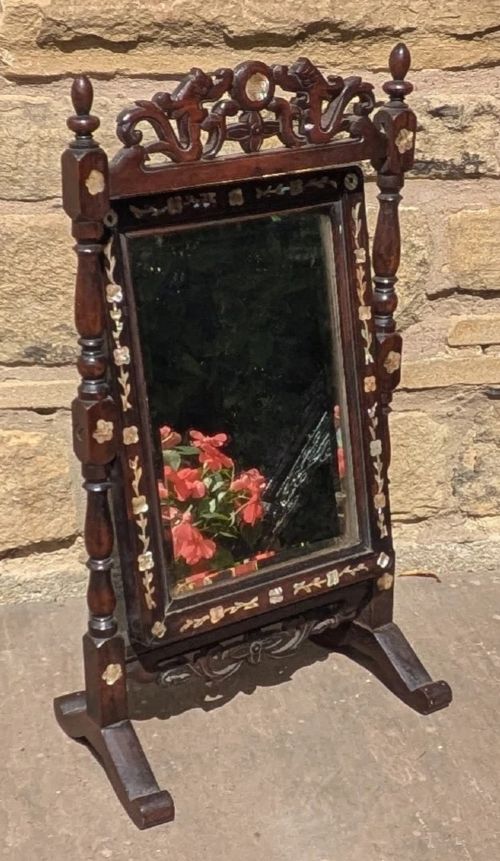
Inlay techniques add contrasting texture to the dark timber grounds, using mother of pearl, bone, and marble inserts. Tops often feature inset pink or grey marble slabs fitted directly into the wooden frame.
Materials span dense hardwoods, elm, marble, brass, lacquer, and bone decorations across multiple centuries of Asian woodworking.
Assessing quality
The depth and crispness of the hand carving separate standard commercial output from superior examples. Sharp undercutting in floral and dragon motifs indicates skilled workshop execution.
The choice of timber and the stability of the joinery dictate longevity. Dense rosewood and well-fitted marble inserts demonstrate higher workshop standards than softer secondary woods.
The Asian Carved Table Glossary
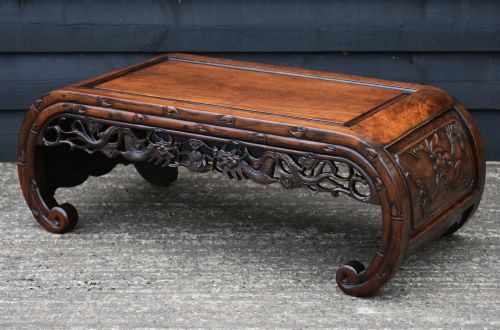
- Opium table
- A low rectangular wooden table traditionally used in domestic settings for resting items or social use. These pieces sit close to the floor and often feature carved apron details.
- Nest of tables
- A set of graduated tables designed to slide neatly underneath one another when not in use. Each table shares matching decorative motifs and timber construction.
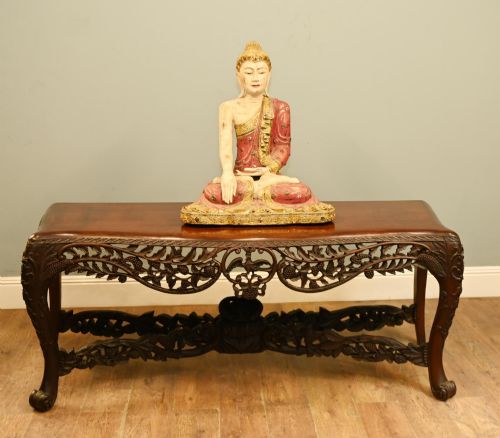
- Altar table
- A long elevated rectangular table originally designed for ceremonial use in temples or domestic shrines. They typically feature upturned flange ends and carved apron panels.
- Shibayama
- A Japanese decorative technique using inlaid mother of pearl, ivory, and tortoiseshell to create pictorial panels. These inlays appear on cabinets, screens, and occasional table surfaces.
- Marble top table
- A wooden table fitted with an inset stone slab flush with the surrounding frame. This provides a cool, heat-resistant surface for plants and decorative objects.
Asian Carved Table: Frequently Asked Questions
What is an opium table used for today?
These low wooden tables function effectively as modern coffee tables placed in front of low seating. Their modest height suits minimalist living spaces.
They also serve as display platforms for sculptures, ceramics, or low arrangements of books.
How do I care for antique hardwood furniture?
Maintain the timber by applying natural beeswax sparingly to nourish the grain without building up heavy residues. Avoid placing wooden surfaces near direct heat sources or strong sunlight.
Marble inserts require simple wiping with a damp cloth and mild soap to prevent staining.
How do I distinguish Chinese Qing dynasty pieces?
Qing dynasty furniture relies on dense native hardwoods like rosewood and elm joined through traditional mortise and tenon construction. Carved motifs often incorporate symbolic dragons, bats, or geometric fretwork.
Proportions remain balanced, reflecting centuries of established workshop traditions across Chinese regions.
Where do marble top plant stands fit best?
These tall narrow tables suit corners, hallways, or narrow wall spaces where a full sized console table proves too wide. The stone top safely accommodates damp flower pots or heavy ceramic vases.
Their vertical presence draws the eye upward in rooms with high ceilings.