


Asian Bronze Pot
When you handle an asian bronze pot, you hold centuries of metalwork traditions from Chinese dynasties and Japanese Meiji workshops.
Asian Bronze Pot
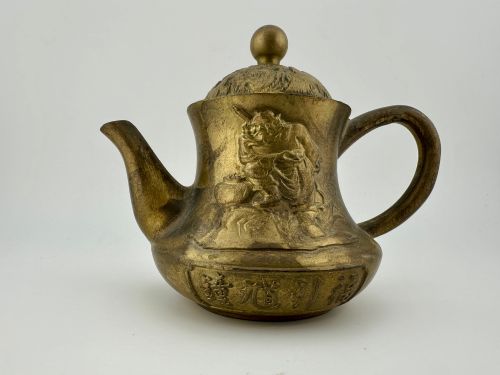
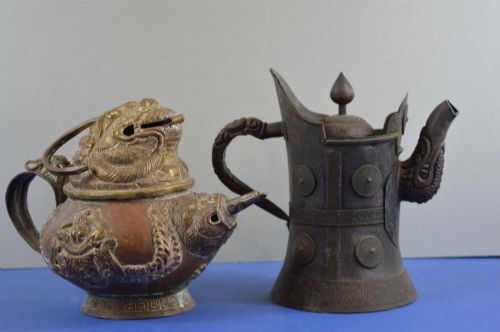
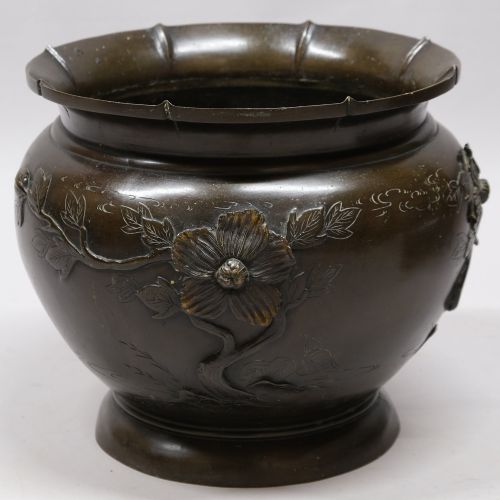
An asian bronze pot covers a wide range of functional and decorative vessels including jardiniere planters, incense burners, ritual wine vessels, teapots, and decorative vases.
The pieces on this page emerge primarily from the nineteenth century, including Victorian-era imports, alongside earlier Pre-sixteenth-century examples and early twentieth-century creations up to nineteen fifty.
Origins span multiple traditions, notably Chinese Qing dynasty works, Japanese Meiji period creations, Edo period items, and Tibetan ceremonial vessels.
How they were made
Craftsmen utilised bronze, brass, and copper, frequently employing cast bronze techniques to shape substantial vessels such as large jardinieres and tripods.
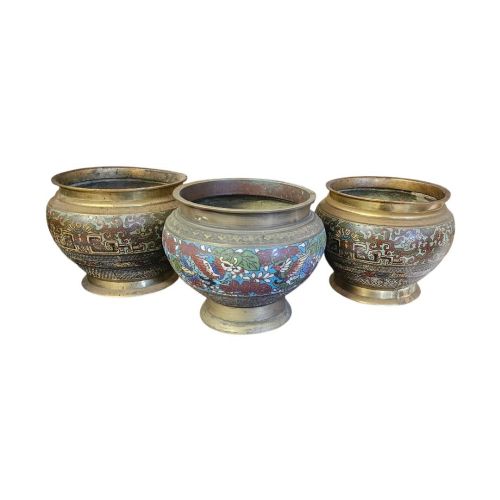
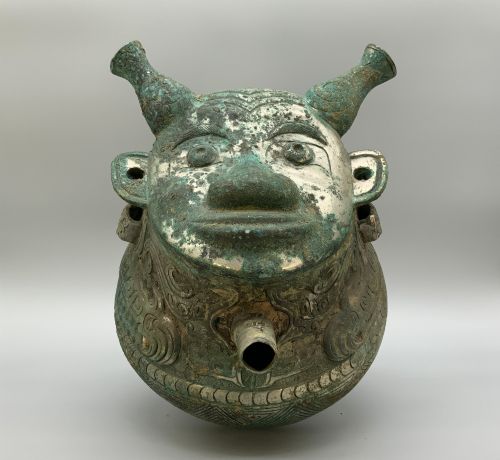
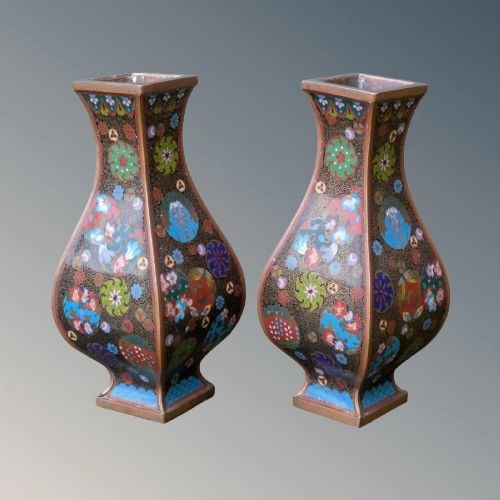
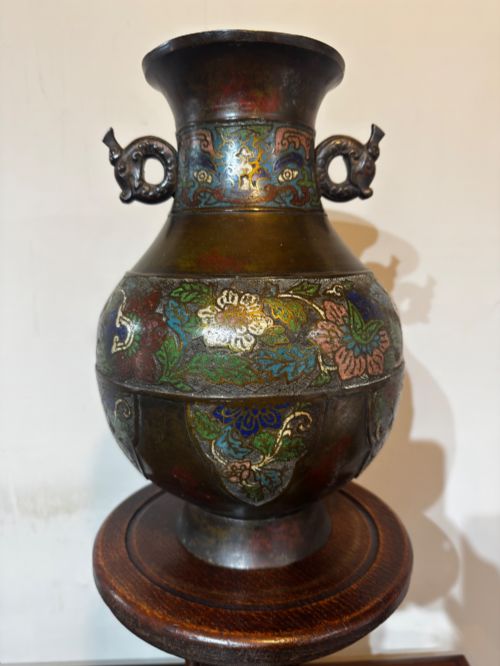
Surface decoration often incorporates enamel, cloisonne enamel, and champleve enamel, alongside applied patinated bronze and verdigris patina finishes.
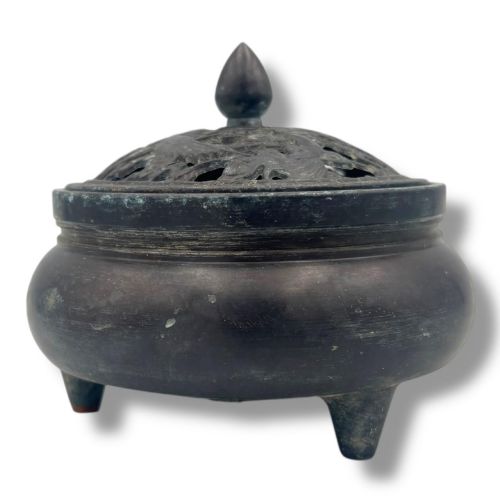
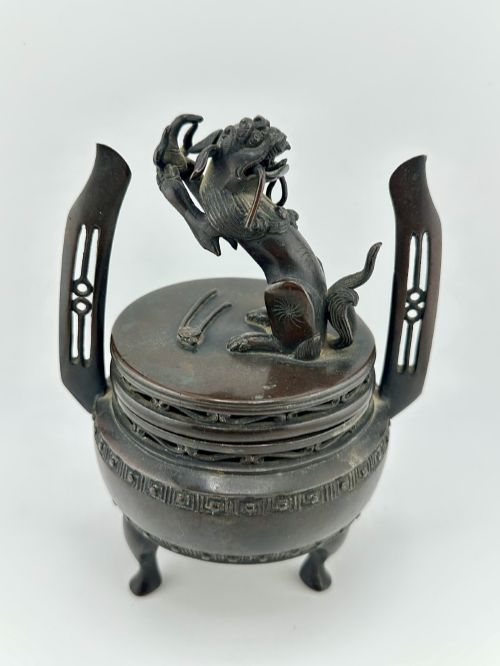
Several pieces feature guardian lion finials standing guard over incense.
What varies in quality
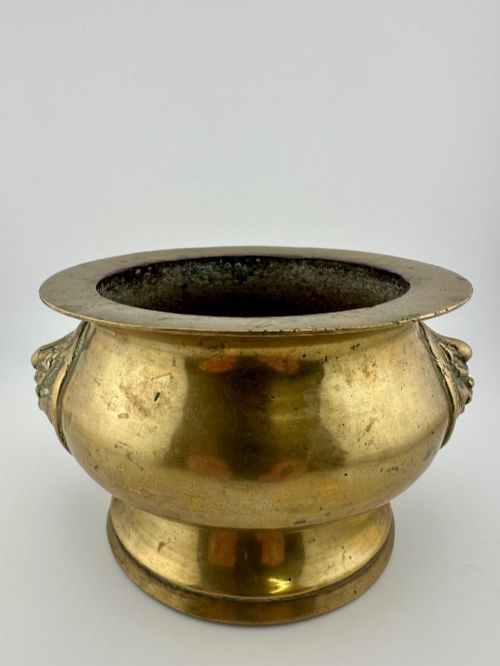
The standard of an asian bronze pot depends on the precision of the casting and the crispness of details such as dragon and phoenix motifs, lion mask handles, and qilin finials.
Execution of decorative enamelwork, including champleve and cloisonne detailing, distinguishes standard items from exceptionally fine examples.
The Asian Bronze Pot Glossary
- Jardiniere
- A large ornamental pot or planter designed to hold plants or flowers. These vessels often sit on heavy bronze feet.
- Cloisonne
- A decorative metalwork technique where thin wire creates cells that are filled with enamel paste and fired. This method produces vibrant surface patterns.
- Champleve
- An enamelling method where troughs are gouged into the metal surface and filled with enamel before firing. It creates a bold contrast between metal and colour.
- Koro
- A traditional Japanese or Chinese incense burner, frequently fitted with a pierced lid. They often feature guardian lion finials.
Asian Bronze Pot: Frequently Asked Questions
What is an asian bronze pot used for?
These vessels served various functions ranging from practical planters and jardiniere bowls to ceremonial incense burners and tea pots. Many items acted as decorative interior centerpieces in both Asian and European homes.
Collectors today utilise them as statement planters or display them as standalone decorative metalwork.
How do I identify a Meiji period piece?
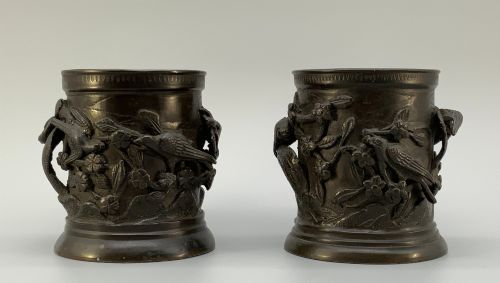
Meiji period Japanese metalwork often displays distinct naturalistic themes such as birds, blossom, and intricate bronze casting. These items frequently date from the late nineteenth to early twentieth century.
Look for the characteristic patinated bronze finishes and detailed decorative motifs typical of Japanese workshops from this era.
What is the difference between bronze and brass?
Bronze is an alloy primarily composed of copper combined with tin, yielding a deep and stable metallic tone that takes patination well. Brass is an alloy of copper and zinc, generally presenting a brighter yellowish metallic hue.
Both materials appear across nineteenth and twentieth-century Asian decorative objects on this page.
How should I clean my bronze pot?
Bronze objects with historic patinas or delicate enamel work require minimal intervention to preserve their surfaces. Dust them gently with a dry, soft cloth.
Avoid using harsh chemical polishes or abrasive cleaners that might strip away the verdigris patina or damage champleve enamel details.