






Asian Art Metal
Asian art metal brings together cast bronze, hammered copper alloy, and vibrant cloisonné enamel from Japanese, Chinese, and Southeast Asian workshops.
Asian Art Metal
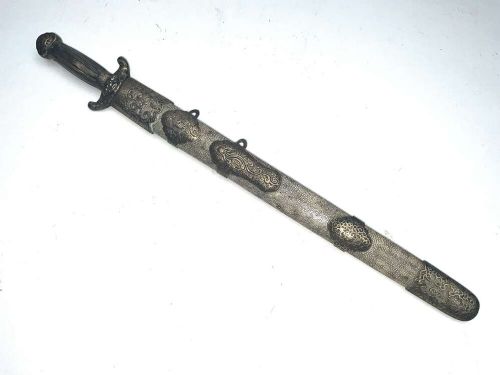
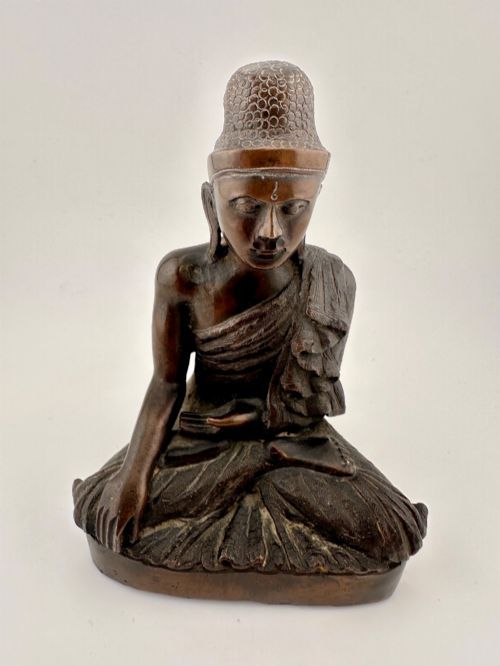
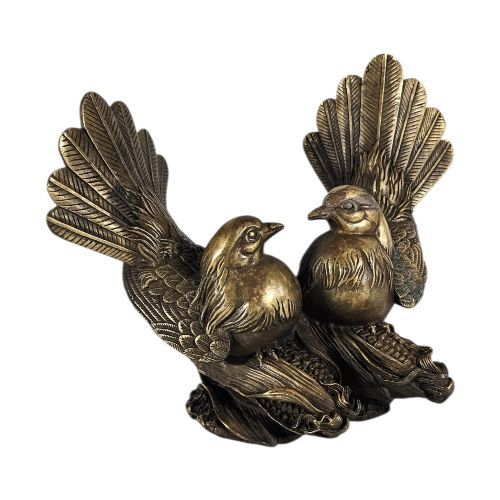
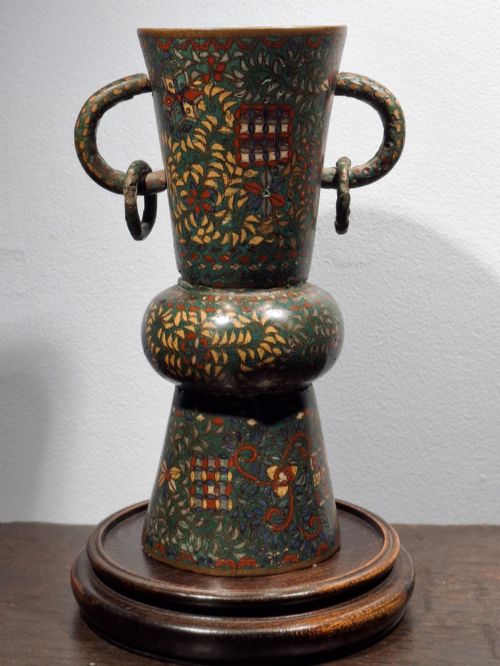
Asian art metal encompasses cast bronze vessels, intricate cloisonné enamel vases, and mixed metal decorative objects originating from Japan, China, and Tibet. When you search for asian art metal, you encounter centuries-old ritual vessels, Meiji period chargers, and patinated bronze sculptures designed for display and scholar's desks.
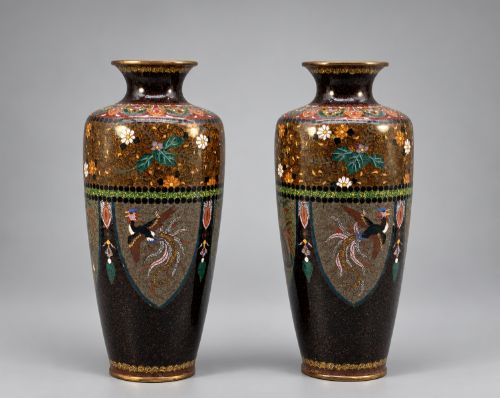
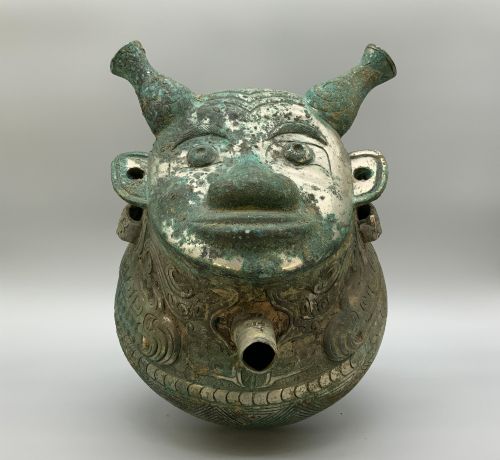
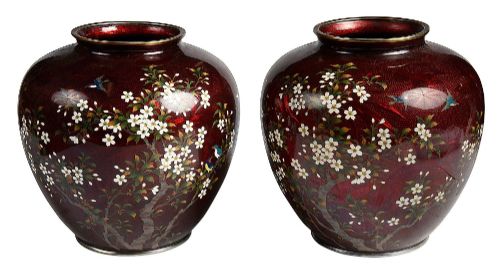
The objects span practical and decorative forms, including lidded ginger jars, ritual wine vessels, censers, and large jardinières. Japanese Meiji period cloisonné enamel and bronze pieces dominate the selection, alongside Chinese bronzes and Tibetan Buddhist figures.
How they were made
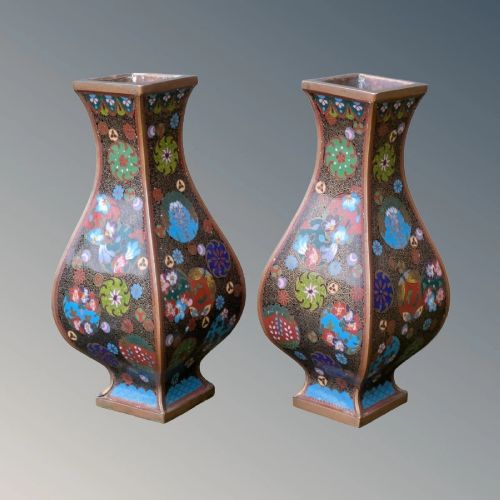
Metalworkers utilised bronze, copper, brass, and iron, often enhancing surfaces through lost-wax casting, patination, and intricate wirework. Cloisonné and champlevé enamel techniques involve soldering thin metal strips to form cells, which are then filled with coloured glass paste and fired.
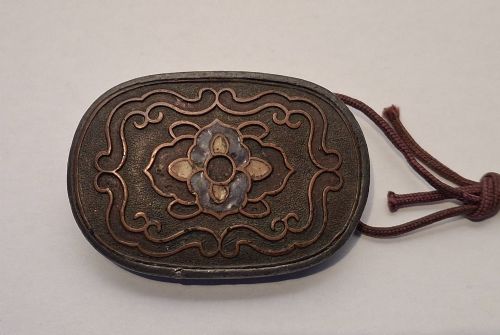
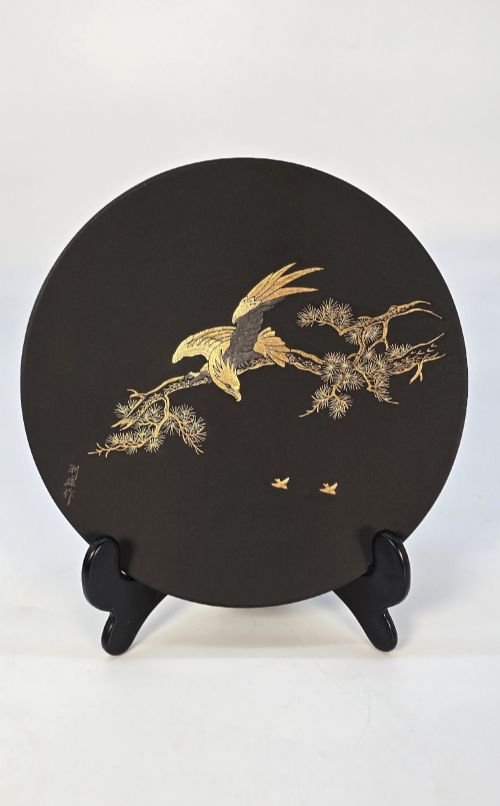
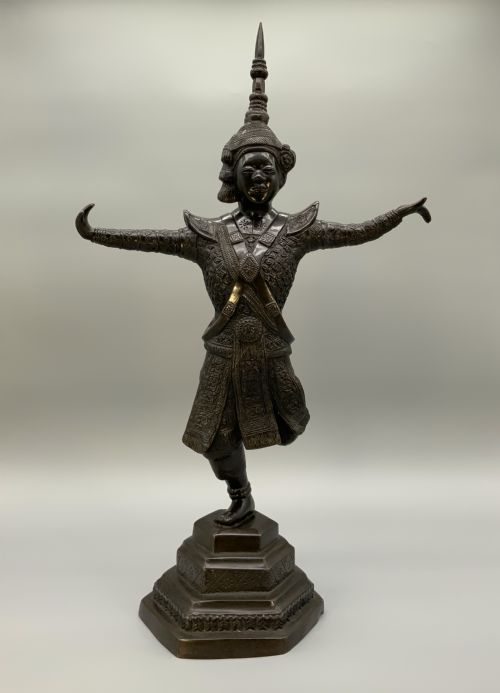
Inlaid decorative effects frequently incorporate gold, silver, and mother of pearl into patinated metal bases. Artisans combined cast elements with delicate surface engraving and applied gold leaf to accentuate sculptural details on figures and ritual vessels.
Asian Art Metal Retail Price Guide 2026
Typical asking prices for asian art metal among the pieces listed under this phrase on Sellingantiques today, from the lower quarter to the upper quarter. They describe what is for sale here now, not the wider market.
Materials span cast bronze, copper alloy, brass, iron, and applied gold leaf alongside multi-coloured enamel and mother of pearl inlay.
What varies in quality
Quality rests in the precision of the cloisonné wirework, the depth of the metal patination, and the crispness of cast sculptural details. Superior pieces display flawless enamel work without pitting, perfectly aligned wire cells, and confident chisel marks on cast bronzes.
The artistic ambition of the composition separates standard decorative items from masterworks. Dynamic subject matter, such as dragons or koi executed with fine metal inlay and balanced proportions, distinguishes exceptional examples from routine production.
The Asian Art Metal Glossary
- Cloisonne Enamel
- A decorative technique where metal wires are soldered to a metal body to create compartments filled with enamel paste and fired. This method produces intricate coloured patterns across vases and chargers.
- Meiji Period
- The era of Japanese history lasting from 1868 to 1912, noted for technical excellence in metalwork and cloisonné. Pieces from this time often exhibit naturalistic motifs and sophisticated patination.
- Jue
- A three-legged Chinese ritual bronze wine vessel with a protruding spout and two upright posts. These ancient forms inspired later antiquarian revivals in metalwork.
- Champleve Enamel
- An enamelling technique where troughs or cavities are carved into the metal surface to hold the vitreous paste. The surrounding metal walls remain visible as part of the design.
- Censer
- A vessel designed for burning incense, commonly cast in bronze or brass with pierced lids. These objects frequently take ritual or zoomorphic forms in Asian collections.
Asian Art Metal: Frequently Asked Questions
How do I care for antique bronze and enamel?
Dust metal surfaces gently with a soft, dry cloth to prevent abrasion. Avoid liquid cleaners and polishes, which can strip historic patinas and damage delicate enamel cells.
Keep pieces away from direct sunlight and high humidity to protect vulnerable enamel and metal finishes. Stable indoor environments prevent corrosion and cracking in mixed-media objects.
What is a ritual bronze vessel?
Ritual bronze vessels served ceremonial and ancestral functions in early Chinese dynasties. Forms like the jue and he held wine or food offerings during sacred rites.
Later periods often reproduced these archaic shapes for scholar's studios and collectors. The heavy cast construction and symbolic motifs reflect ancient religious practices.
How can I identify Meiji period metalwork?
Meiji period metalwork dates from the late nineteenth and early twentieth centuries. These Japanese items frequently feature exceptionally detailed cloisonné enamel, patinated iron, and mixed metal inlay.
Signatures or maker marks often appear on the base or reverse of these pieces. The combination of technical mastery and naturalistic decoration defines the output of this era.
What distinguishes cloisonné from champlevé?
Cloisonné uses thin metal wires soldered onto the surface to outline the design cells. Enamel paste is packed into these raised wire compartments before firing.
Champlevé involves carving or gouging depressions directly into a thicker metal plate to hold the enamel. The exposed metal body forms the thick boundaries between the coloured glass areas.