
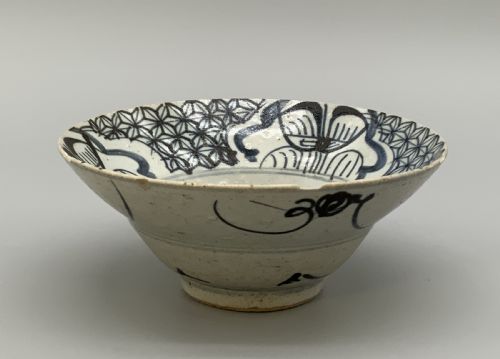
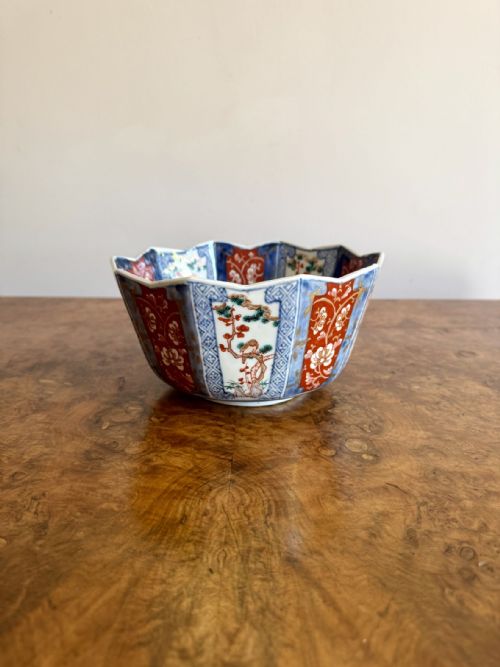


Asian Art Ceramic Dish
These asian art ceramic dish items bring centuries of porcelain, enamel and earthenware craftsmanship from Chinese and Japanese traditions into a modern room.
Asian Art Ceramic Dish
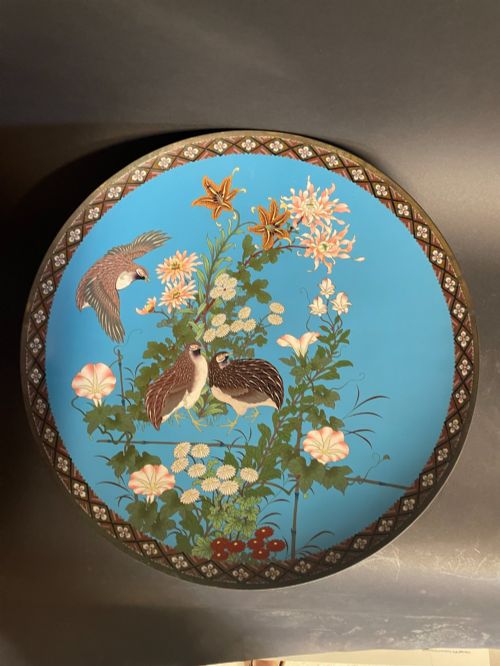
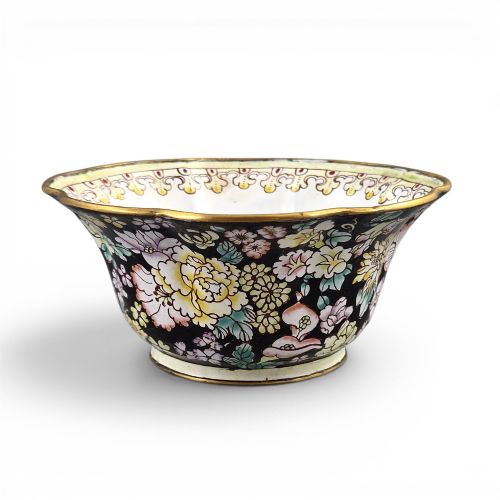
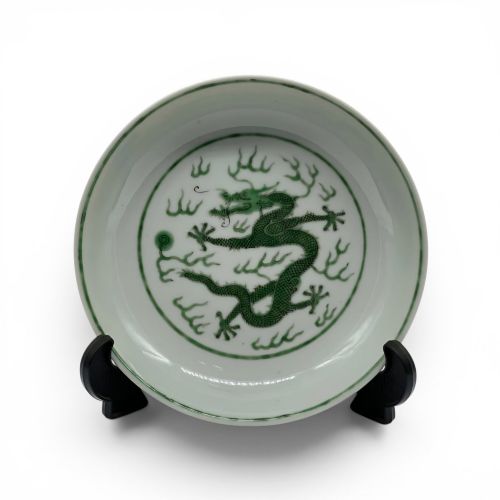
An asian art ceramic dish encompasses decorative plates, chargers, bowls and shallow dishes originating from various Asian dynasties and periods. Collectors encounter pieces ranging from early Yuan and Ming dynasty porcelains to Meiji period Japanese imari and satsuma wares.
Originating from periods including the seventeenth, nineteenth and early twentieth centuries, these items serve primarily as decorative bowls and display dishes. Each piece demonstrates the distinctive stylistic markers of its era, from Qing dynasty imperial styles to late Meiji designs.
How they were made
Potters shaped porcelain and earthenware bodies, frequently applying intricate glazes, painted enamels and gold leaf highlights. Copper and brass also appear as foundational or decorative elements in specific enamel-on-copper items.
Techniques range from moulded floral scrolls on celadon dishes to cobalt blue painting and detailed gilt work. Kiln methods evolved significantly between the Ming dynasty and the Meiji period, producing diverse textural and visual results.
The inventory includes items from the Ming and Qing dynasties alongside Japanese Meiji and Edwardian era pieces.
What varies in quality
Quality reveals itself through the precision of the painted details, the depth of the cobalt blue or enamel colours, and the refinement of the ceramic body. Pieces featuring sophisticated motifs, such as dragons or the Seven Lucky Gods, often display superior artistic execution.
The crispness of moulded or hand-painted scrolls and the integrity of the glaze distinguish standard production from exceptional examples. Signature marks and specific historical associations also influence the standing of an individual piece.
Hododa·Kinkozan
The Asian Art Ceramic Dish Glossary
- Imari
- A style of Japanese porcelain featuring cobalt blue, iron red and gilt decoration, commonly produced for export. These pieces often display intricate patterning and rich colour combinations.
- Celadon
- A type of transparent green-glazed ceramic, prized for its jade-like appearance and subtle crackle lines. Longquan kilns were particularly noted for this finish.
- Satsuma
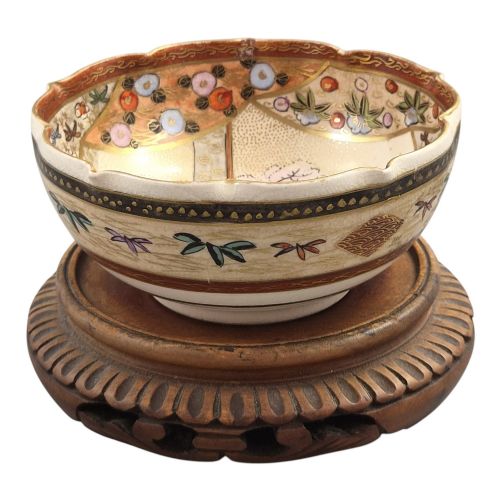
- Japanese earthenware pottery decorated with fine crackle glazes and detailed overglaze enamel and gilt motifs. Kyoto and Yokohama workshops produced notable examples.
- Cloisonne
- An enamelwork technique where thin metal wires form compartments to hold coloured glass paste before firing. This method appears on both metal and ceramic base forms.
- Doucai
- A Chinese porcelain decorating technique combining underglaze blue outlines with overglaze enamel infills. Yongzheng period pieces frequently utilise this method.
Asian Art Ceramic Dish: Frequently Asked Questions
How do I date an asian art ceramic dish?
Dating relies on stylistic characteristics, glaze types, reign marks and historical context provided by periods such as the Meiji or Qing dynasties.
Examining the base, manufacturing technique and pigment style helps narrow the era of production.
What is the difference between imari and satsuma?
Imari pieces are typically porcelain with distinctive cobalt blue and iron red palettes accented with gold leaf. They present a harder, more vitrified body.
Satsuma ware consists of earthenware with a characteristic ivory crackle glaze, heavily decorated with polychrome enamels and gilt.
How were decorative bowls and chargers used?
These items served as display pieces, ceremonial vessels or utilitarian tableware depending on their size and material. Large chargers were frequently exhibited on walls or stands.
Smaller bowls, such as hanami vessels, were utilised during seasonal gatherings and tea traditions.
Are these dishes suitable for daily use?
Antique ceramic and enamel dishes are generally acquired for display and collection rather than heavy daily service. Their age and delicate painted surfaces require careful handling.
Gentle dusting and avoiding abrasive cleaners help preserve the enamel and gilt details over time.