

Asian Chest
An asian antique chest brings centuries of practical storage and refined craftsmanship into a room.
Asian Chest
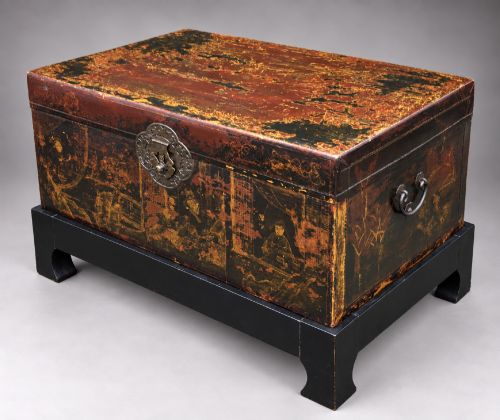
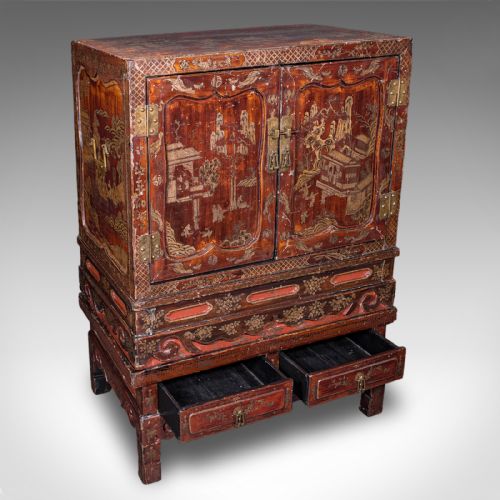
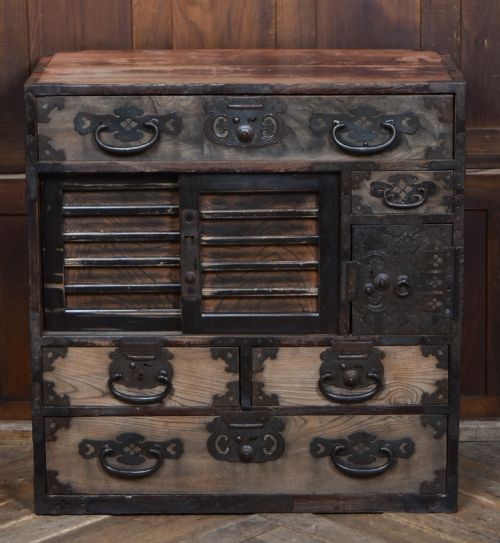
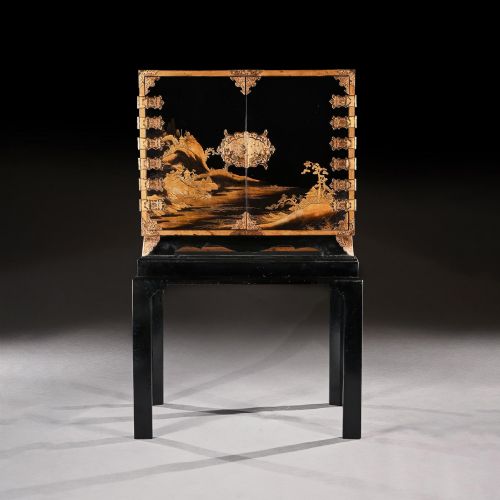
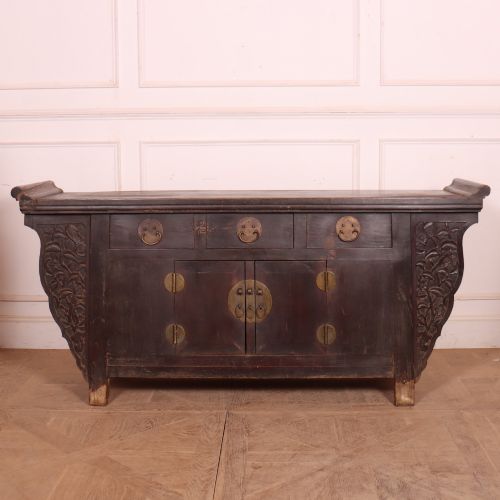
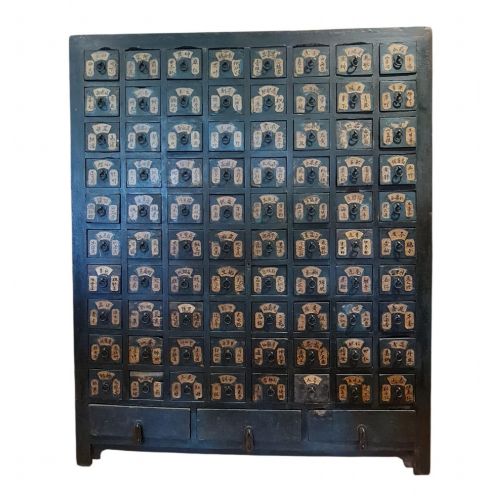
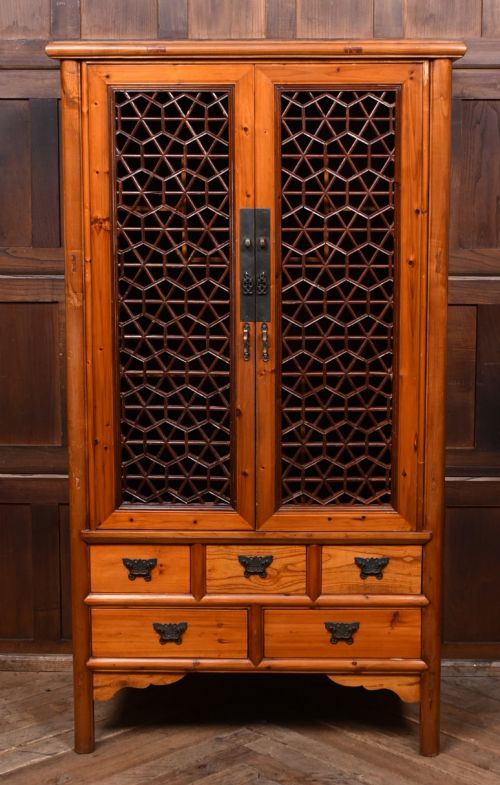
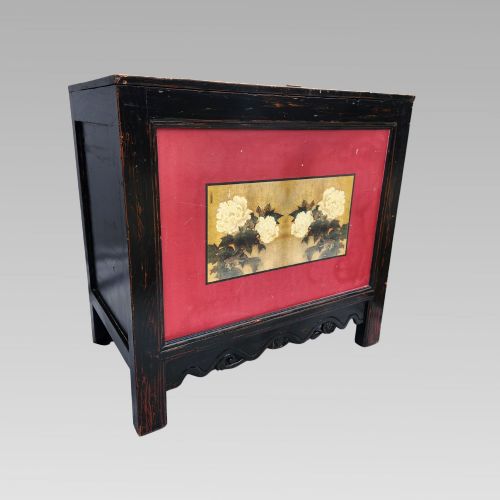
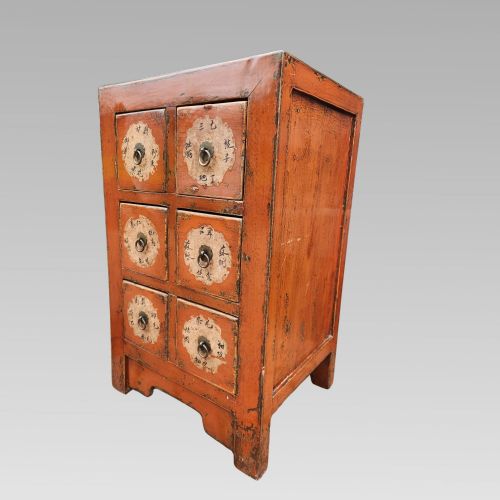
When you search for an asian antique chest, you encounter a diverse array of storage furniture originating from across Asia, spanning centuries of regional design. The pieces available include elm apothecary cabinets with numerous small drawers, camphor wood trunks designed for travel or protection, and elaborate lacquer storage units.
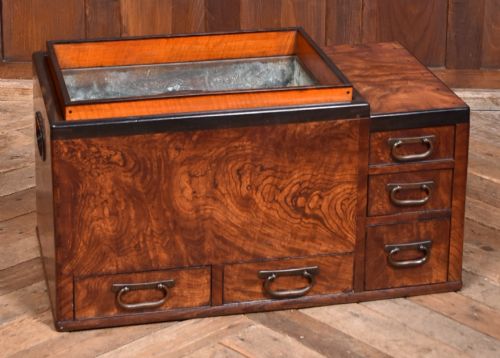
Japanese tansu chests and Chinese wedding trunks dominate the forms found in these listings. These pieces served practical domestic functions, from kitchen storage to holding garments and valuables, before evolving into decorative interior furnishings.
How they were made
Wood selection dictated the structural integrity of these items, with elm, camphor wood, burr elm, and zelkova providing durable foundations. Artisans utilised these native timbers alongside iron and brass hardware to reinforce corners, hinges, and drawer fronts.
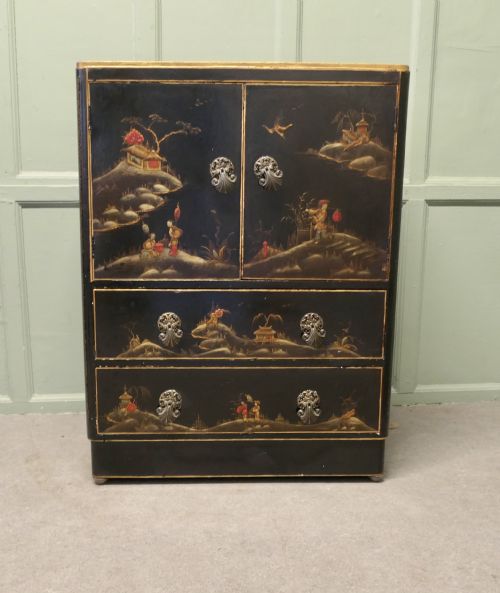
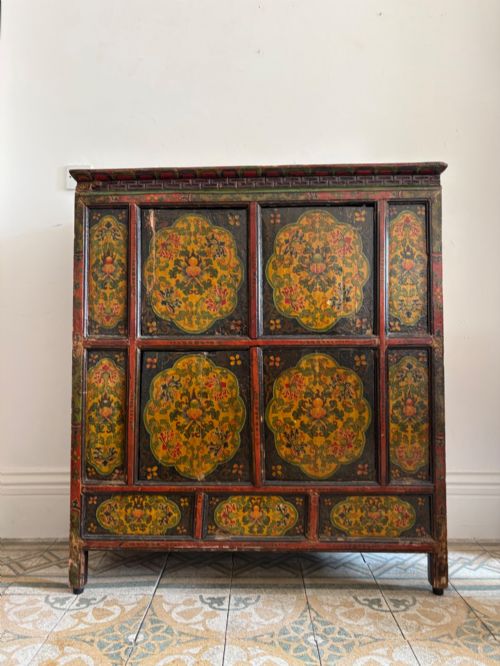
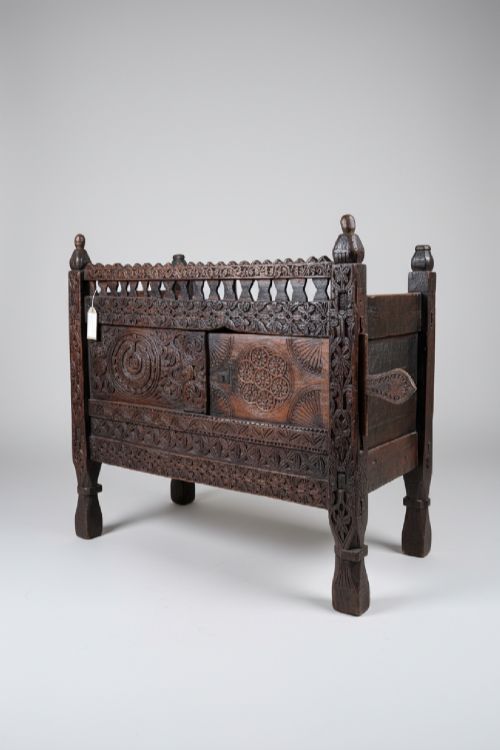
Surface decoration frequently involved layers of black or red lacquer, gold leaf application, and hand-painted floral motifs. Some specialised pieces incorporated intricate wood carvings or silver inlay work embedded directly into the primary material.
Listings feature camphor wood, elm, and lacquer alongside brass and iron hardware across multiple centuries.
What varies in quality
The sophistication of the joinery and the integrity of the original hardware distinguish standard utility pieces from exceptional examples. Cabinetry featuring complex internal drawer configurations or specialised locking mechanisms demonstrates higher levels of original craftsmanship.
The preservation of original surface finishes, such as layered lacquer and hand-painted details, heavily influences the character of a piece. Examples retaining their untouched patination and original metal mounts command greater appreciation among collectors.
The Asian Chest Glossary
- Tansu
- A traditional Japanese mobile storage chest constructed primarily from wood with prominent metal hardware. These cabinets were built for specific domestic duties such as clothing storage or merchant accounting.
- Chinoiserie
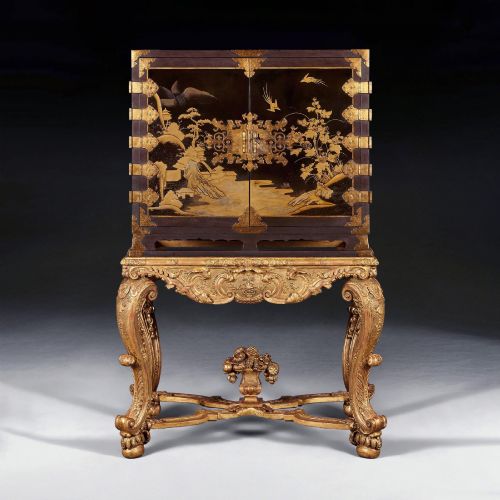
- A European artistic style reflecting Chinese aesthetic influences, often seen on lacquered cabinets and cupboards produced during the 17th and 18th centuries. This style employs painted motifs of landscapes and figures.
- Kodansu
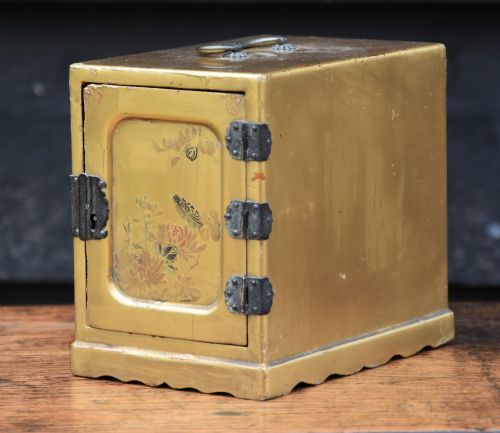
- A small Japanese tabletop cabinet or jewellery box featuring multiple drawers and compartments. These portable receptacles often display fine lacquerwork and delicate metal fittings.
- Apothecary cabinet
- A partitioned wooden chest traditionally utilised by herbalists and doctors for storing dried ingredients and medicines. They are characterised by numerous small drawers, each once labelled for its contents.
Asian Chest: Frequently Asked Questions
How were tansu chests used?
Tansu chests served as portable modular storage in traditional Japanese households. Families used them to store clothing, bedding, and account ledgers.
Their robust construction allowed owners to move them quickly during fires or household relocations.
What is camphor wood used for?
Camphor wood was valued for its natural aromatic qualities and durability. Furniture makers utilised it for trunks and blanket boxes to protect stored textiles from insects.
The dense timber resists moisture and imparts a distinct fragrance to the interior.
How do I identify lacquer finishes?
Lacquer finishes are built up in multiple thin coats derived from tree sap, creating a hard, glossy surface. Over time, genuine antique lacquer develops fine network cracking known as craquelure.
These surfaces often feature hand-painted gold or coloured decorative motifs.
Where were apothecary cabinets placed?
Apothecary cabinets stood in traditional pharmacies and merchant shops for sorting medicinal herbs and roots. The numerous small drawers kept ingredients organised and accessible.
Today, these substantial multi-drawer chests function as statement storage pieces in residential interiors.