



Ash Wooden Desk Chair
An ash wooden desk chair brings tactile country craftsmanship and robust vernacular seating straight into a modern study.
Ash Wooden Desk Chair
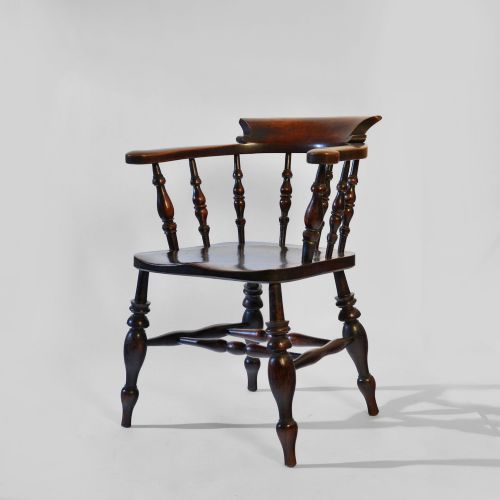
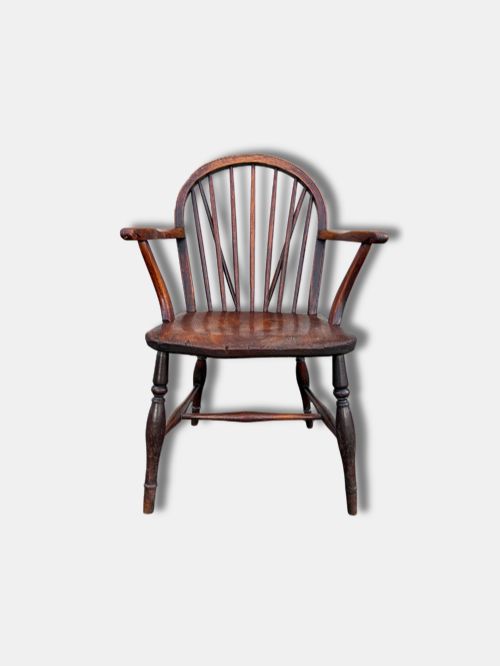
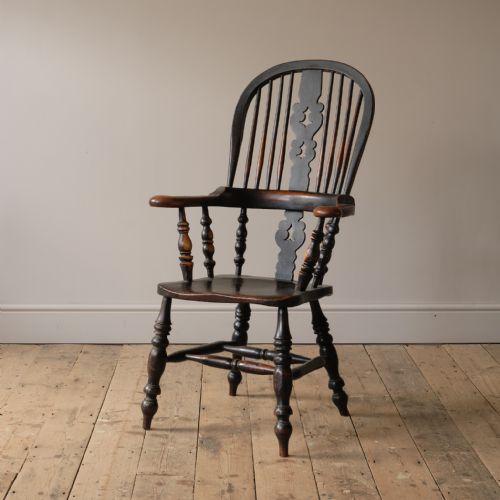
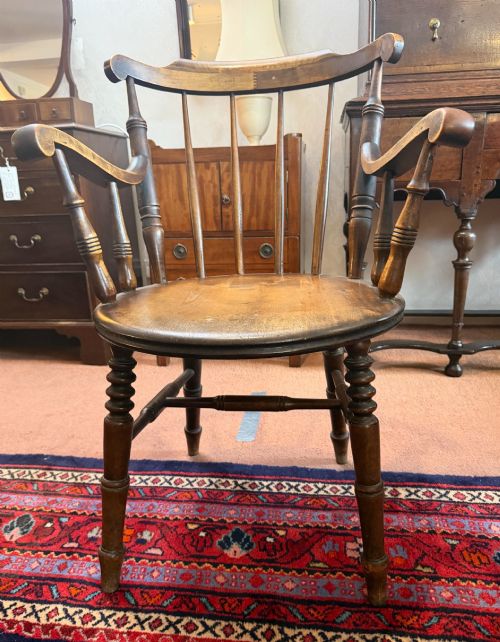
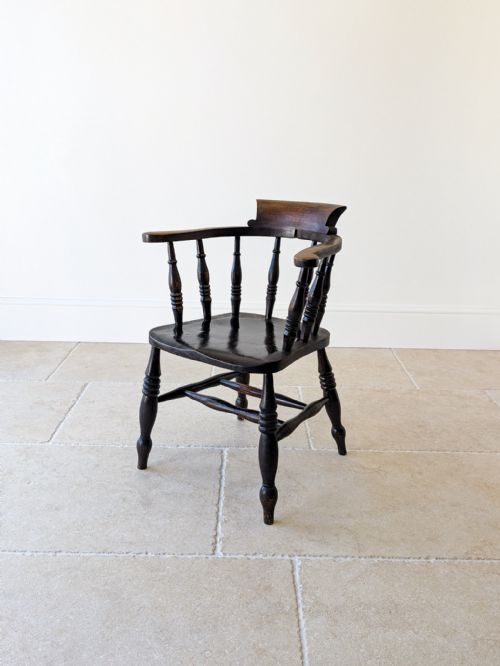
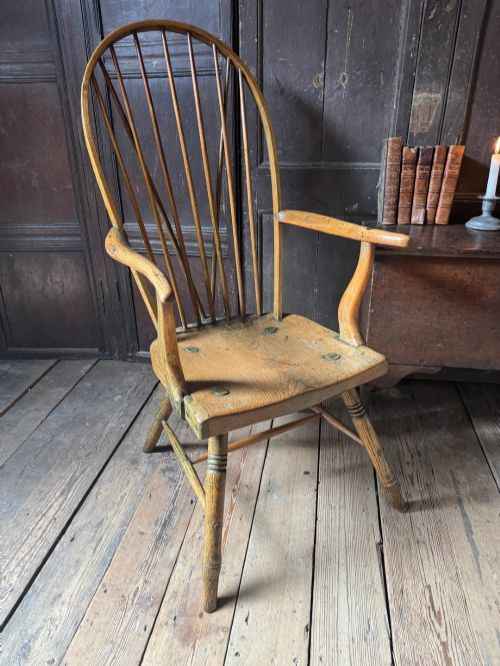
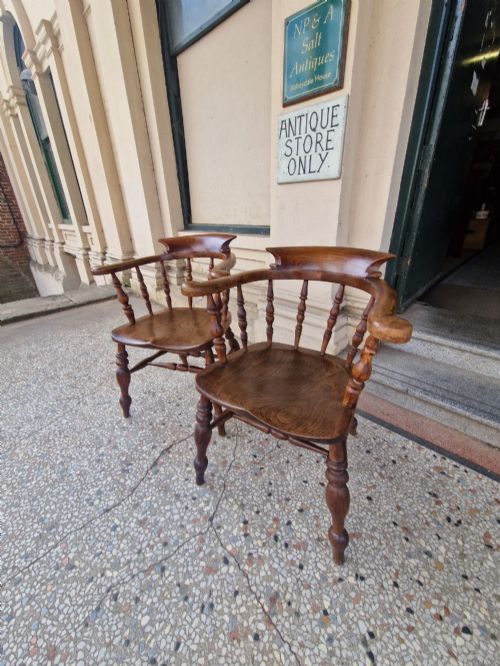
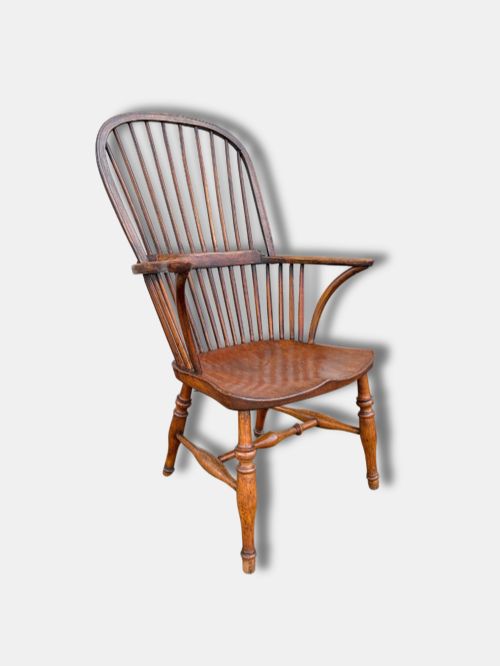
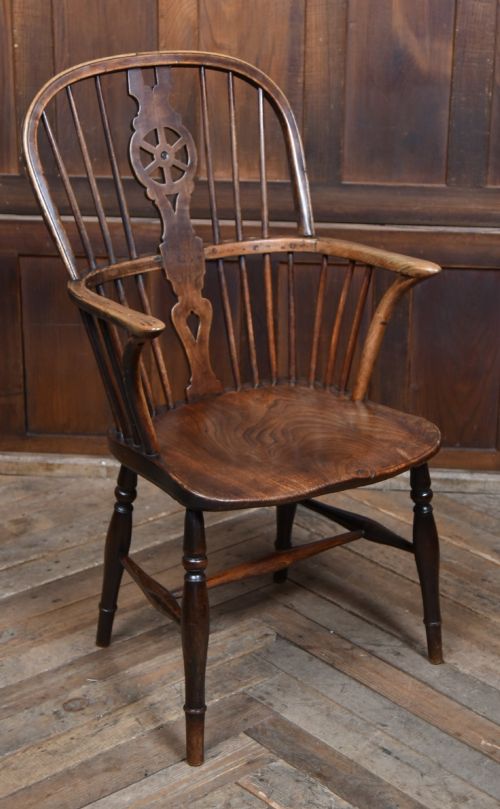
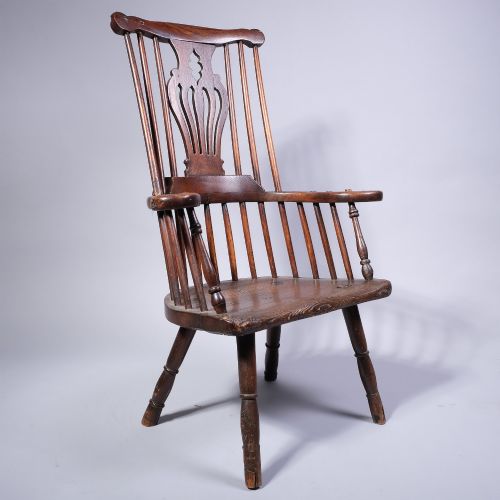
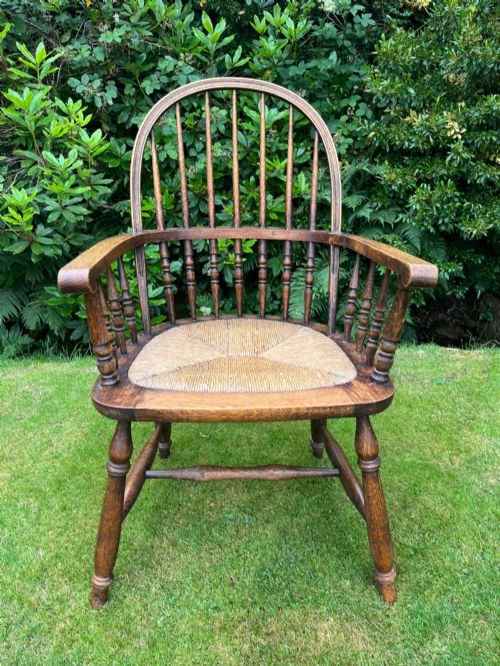
An ash wooden desk chair encompasses sturdy country forms, predominantly nineteenth-century Windsor armchairs, captain's chairs, and smokers' bows. Buyers searching this phrase meet robust seating designed for utility, featuring shaped seats and spindle backs rooted in English vernacular traditions.
The selection ranges from eighteenth-century comb-back and high hoop-back Windsor designs to Victorian low-back and swivel desk variants. Most pieces pair ash with elm, creating durable work chairs originating from regional workshops across the country.
How they were made
Maker-joiners utilised solid ash for structural frames, legs, and bentwood bow arms, taking advantage of the timber's flexibility and tensile strength. Elm was routinely selected for carved solid seats because its interlocking grain resisted splitting under heavy use.
Component parts were shaped using drawknives and shaves before being joined through traditional pegged mortise and tenon construction. Secondary timbers such as beech, alder, or yew appear in turnings, spindles, and specific regional variations.
Ash Wooden Desk Chair Retail Price Guide 2026
Typical asking prices for ash wooden desk chair among the pieces listed under this phrase on Sellingantiques today, from the lower quarter to the upper quarter. They describe what is for sale here now, not the wider market.
Listings feature eighteenth and nineteenth-century periods, dominated by ash and elm combinations alongside beech, alder, and yew.
What varies in quality
Quality rests on the depth of the sculpted saddle seat, the grace of the steam-bent bow arm, and the proportional balance of the spindle arrangement. Superior examples display fluent turning on the legs and stretchers, alongside well-integrated repairs that respect the history of the timber.
The integration of the armbow to the central spindle mass dictates the rigidity of the upper frame over decades of daily sitting. Weight distribution, timber figuring in the elm seat, and retaining original surface patination separate standard utilitarian seating from finer regional masterworks.
The Ash Wooden Desk Chair Glossary
- Windsor chair
- A chair built with a solid wooden saddle seat into which the legs and back spindles are directly bored and wedged. This construction method provides exceptional stability.
- Smoker's bow
- A low-backed Windsor armchair with a continuous curved arm rail supported by turned spindles, often used as a comfortable writing or smoking chair.
- Comb back
- A Windsor chair design where the central vertical spindles extend upward to support a small horizontal headrest resembling a hair comb.
- Broad arm
- An armchair featuring an enlarged, flattened wooden armrest specifically widened to provide a writing surface.
- Stretcher
- A horizontal wooden rod connecting the legs of a chair to reinforce structural rigidity and prevent splaying under weight.
Ash Wooden Desk Chair: Frequently Asked Questions
How do I identify an ash wooden desk chair?
Look for a heavy solid elm seat combined with a visible pale ash grain on the uprights, back bow, and legs. These chairs often feature saddle-shaped seats and traditional stick-back or Windsor construction.
Examine the underside for adze marks and pegged joints which indicate regional vernacular manufacture during the eighteenth or nineteenth centuries.
Are these chairs comfortable for daily desk work?
Most variants offer supportive ergonomic curved back rails and deep saddle-moulded seats designed for prolonged seating. Their sturdy wooden construction provides firm upright posture support.
Some Victorian iterations include swivel mechanisms or broader arm rests, making them practical for modern home office use.
How should I care for an antique ash chair?
Maintain the timber by applying natural beeswax periodically to nourish the dry wood and protect the historic surface patina. Avoid placing the chair near direct heat sources or radiators to prevent timber shrinkage.
Check the leg wedges and joints occasionally to ensure the traditional pegged construction remains tight and secure.
How can I tell the regional origin?
Regional differences appear in the turning style of the legs, the shape of the back hoop, and the choice of secondary woods. Thames Valley and West Country makers developed distinct spindle configurations and comb-back profiles.
Local timber availability dictated whether beech, alder, or yew supplemented the primary ash and elm framework.