




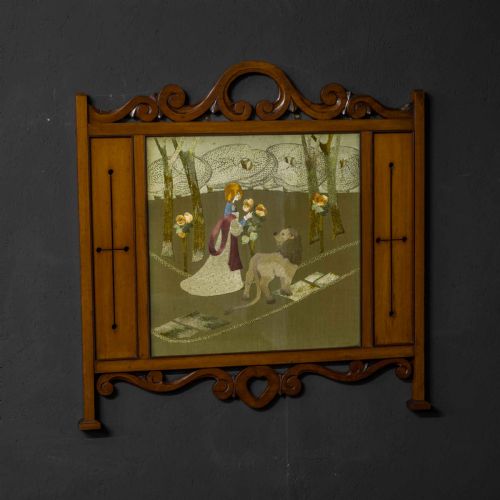

Arts Crafts Hanging Mirror
These arts crafts hanging mirror pieces bring honest timber and metalwork into an interior, offering a distinct sense of hand-wrought utility.
Arts Crafts Hanging Mirror
When you search for arts crafts hanging mirror, you find functional wall pieces framed in sturdy timbers like oak and pitch pine, often enhanced with metal decorative elements. These objects belong to periods spanning the late nineteenth century through the early decades of the twentieth century, reflecting the ethos of the movement.
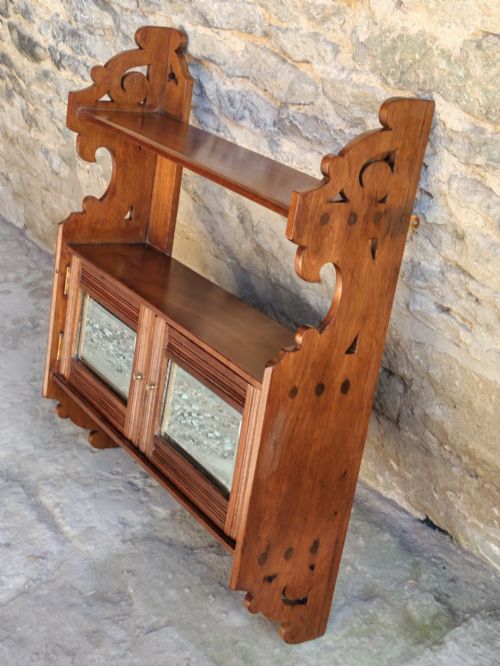
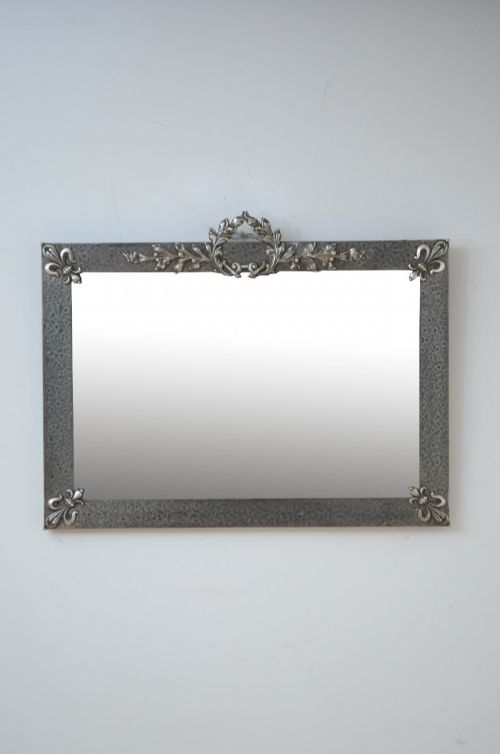
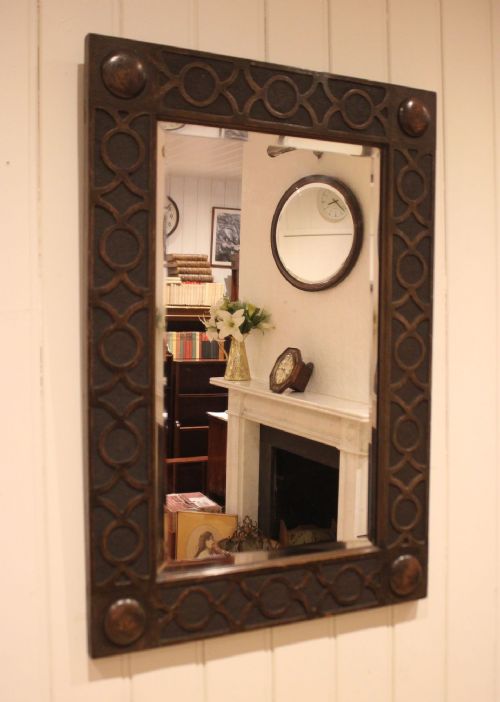
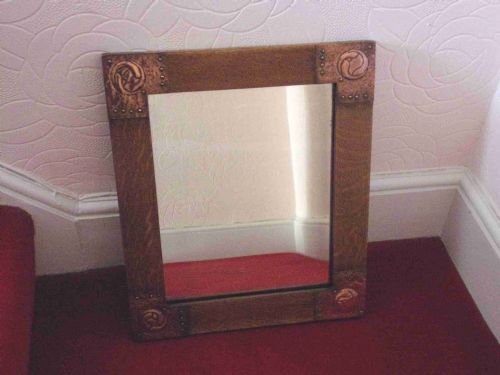
The most common examples on this page take the form of wall mirrors framed in plain or carved oak, frequently accompanied by metal accents. Alongside these specific wall pieces, the broader record includes related items such as wardrobes, wall cabinets, and overmantel frames sharing similar stylistic traits.
Makers and craftsmen of these eras favoured straightforward construction that foregrounded the natural grain of the wood and the texture of worked metal. This focus on material honesty defines the character of each piece you encounter in this category.
How they were made
Makers constructed these frames predominantly from solid oak, walnut, and pitch pine, selecting timbers for durability and rich grain patterns. Joinery relied on traditional methods that ensured stability without relying on superfluous ornamentation.
Metal components, particularly copper and brass, were frequently hammered by hand to create textured surfaces that caught the light. These metal details, along with inlaid motifs and Celtic knot decorations, were integrated directly into the wooden frames.
Arts Crafts Hanging Mirror Retail Price Guide 2026
Typical asking prices for arts crafts hanging mirror among the pieces listed under this phrase on Sellingantiques today, from the lower quarter to the upper quarter. They describe what is for sale here now, not the wider market.
Listings in this category span multiple decades, incorporating periods from the nineteenth century through the 1930s alongside occasional Regency entries.
What varies in quality
The distinction between standard examples and finer pieces lies in the crispness of the hand-hammered metalwork and the depth of the wood carving. Superior items display deliberate detailing in copper or brass decorations rather than mechanical stamping.
Proportion and timber selection further separate the work, with well-chosen oak grain and thoughtful inlay elevating a simple domestic object into a balanced piece of design.
The Arts Crafts Hanging Mirror Glossary
- Arts and Crafts
- A design movement valuing handcraftsmanship and simple forms over mass production. It emerged in the late nineteenth century and influenced furniture and metalwork for decades.
- Pitch pine
- A resinous softwood utilised for its pronounced grain pattern and durability. Cabinetmakers valued it for both structural integrity and decorative surface texture.
- Overmantel
- A large mirror or frame designed to hang specifically above a fireplace mantelpiece. These pieces often anchor the surrounding room architecture.
- Pier wall mirror
- A tall, narrow mirror designed to hang on the wall space between windows. These items maximised light reflection in period interiors.
- Celtic knot
- An interlaced decorative motif frequently carved into wood or rendered in metal. It provides a distinct linear pattern characteristic of revivalist design.
Arts Crafts Hanging Mirror: Frequently Asked Questions
How do I hang a heavy oak mirror safely?
Ensure your wall fixings engage directly with studs or use appropriate heavy-duty wall anchors designed for timber framing.
Check that the original hanging chain or wire on the back remains secure before mounting the piece.
Where should I place an arts crafts hanging mirror?
These pieces suit hallways, living rooms, or above sideboards where they can reflect natural light.
Pair them with complementary wooden furniture or plain walls to highlight the frame's construction.
How do I tell an Edwardian mirror from a Victorian one?
Victorian pieces often feature heavier carved decoration and darker finishes, reflecting more ornate tastes.
Edwardian examples tend toward lighter oak tones and simpler, more restrained framing.
What is hammered metal decoration?
Craftsmen struck sheet copper or brass with hammers to create a textured, light-diffusing surface.
This technique leaves subtle indentations that prove the work was done by hand rather than machine pressed.