


Arts and Crafts Sculpture
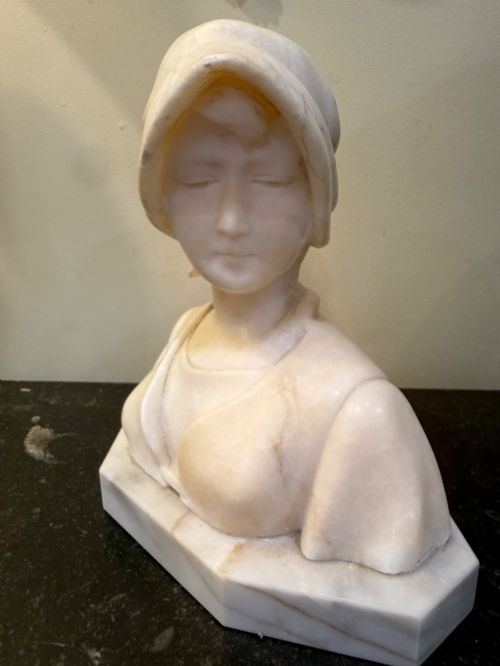
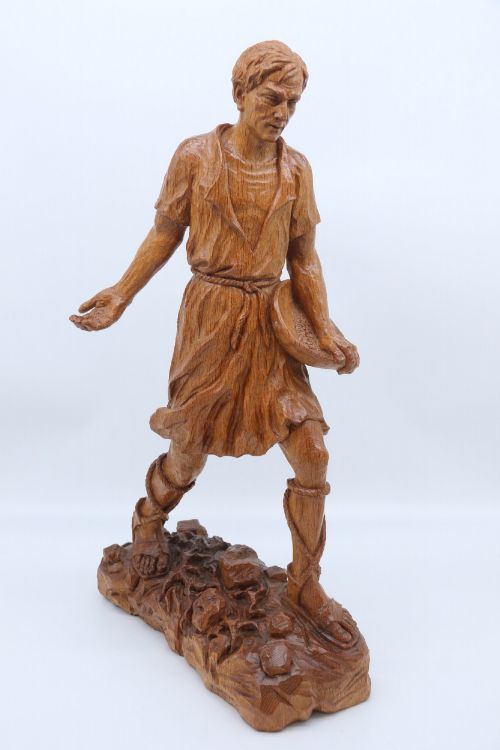
These arts and crafts sculpture pieces bring tactile sincerity to interiors, spanning carved wood figures, leather animal models, and alabaster busts.
Arts and Crafts Sculpture
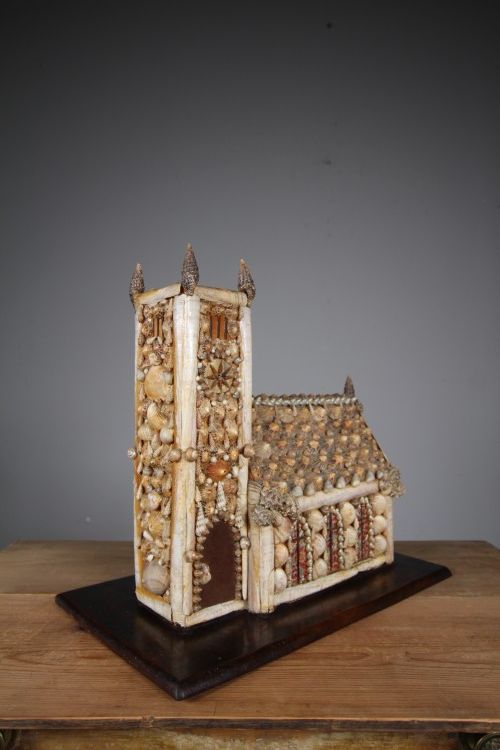
When you search for arts and crafts sculpture, you encounter diverse forms ranging from carved wooden figures and alabaster busts to detailed leather models of animals and large shell work structures. These pieces reflect the ethos of hand production and manual skill championed during the late nineteenth and early twentieth centuries.
The selections on this page draw predominantly from the Victorian period through to the nineteen thirties, encompassing traditional folk art sensibilities alongside guild productions. You find domestic decorative objects, architectural bookends, and miniature models that showcase distinct regional British craftsmanship.
How they were made
Makers utilised organic and accessible materials, frequently working with carved oak, moulded leather, alabaster, and terracotta. Artisans shaped these mediums by hand, often employing traditional joinery and sculptural carving techniques to define the human figure, architectural models, and animal forms.
Surface finish played a vital role in the construction process, seen in the tooling of leather over structural frames, the fine chisel marks on wooden panels, and the addition of enamel to sterling silver elements. These methods ensured each piece retained the distinct touch of its maker rather than bearing the uniform finish of industrial machinery.
The listings on this page span several decades, featuring materials from carved oak and alabaster to moulded leather and seashells.
What varies in quality
The standard of execution in modelling and carving separates simpler decorative items from superior works. Finer examples display precise anatomical proportions in leather animal models or subtle facial expressions in alabaster busts, whereas lesser items rely on heavy proportions and rudimentary surface detail.
Material selection and structural integrity also dictate quality across the range. Pieces retaining their original patination on golden oak or undamaged leather surfaces demonstrate greater material authenticity than those compromised by over-restoration or replacement components.
Compton Potters Art Guild
The Arts and Crafts Sculpture Glossary
- Alabaster
- A fine-grained, translucent stone often utilised for carved busts and decorative panels. It allows sculptors to achieve soft contours and delicate lighting effects across the surface.
- Anglo Saxon
- A stylistic descriptor associated with historical revivalism in nineteenth-century carving. It points to subjects drawn from early English history and rural traditions.
- Bookends
- Functional supports designed to keep volumes upright on a shelf. In this category, they often take the form of architectural models or classical figures produced by pottery guilds.
- Terracotta
- Fired clay used for sculptural modelling and architectural ornament. It provides a warm reddish-brown tone and captures fine detail directly from the sculptor's hand.
Arts and Crafts Sculpture: Frequently Asked Questions
What defines an arts and crafts sculpture?
These works are characterised by manual skill and traditional craftsmanship rather than industrial mass production, spanning organic materials like wood, leather, and alabaster.
They reflect aesthetic movements from the late nineteenth and early twentieth centuries, prioritising visible handwork and natural subjects.
How do I care for leather models?
Leather sculptures require stable environmental conditions away from direct sunlight and excessive moisture to prevent drying and cracking.
Dust them gently with a dry, soft cloth rather than utilising liquid cleaners that might alter the original patination.
Where were these sculptures displayed?
Owners typically placed these decorative objects on mantelpieces, desks, and library shelves within domestic interiors of the period.
Larger models and architectural panels served as focal points in studies, hallways, and communal living spaces.
How are different periods identified?
Dating relies upon material composition, stylistic markers, and historical documentation associated with specific guilds and workshops.
Victorian pieces often lean towards folk art traditions, while later nineteen-thirties examples incorporate refined metalwork and distinct modernist touches.