



Arts and Crafts Cup
These arts and crafts cup examples range from hammered silver tygs to stoneware mugs, offering tactile vessels shaped by movement aesthetics.
Arts and Crafts Cup
When you search for arts and crafts cup, you encounter a diverse gathering of drinking vessels spanning the late nineteenth century through the mid twentieth century. These objects include sterling silver chalices, pewter quaichs, copper egg cups, treen goblets, and stoneware tygs made during periods like the Victorian era and the nineteen fifties.
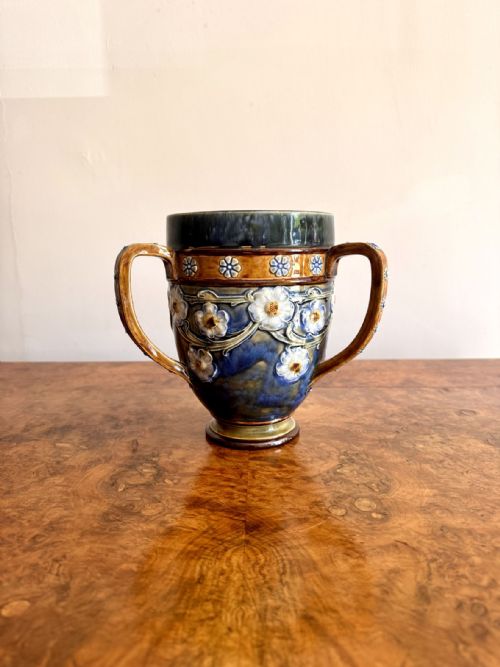
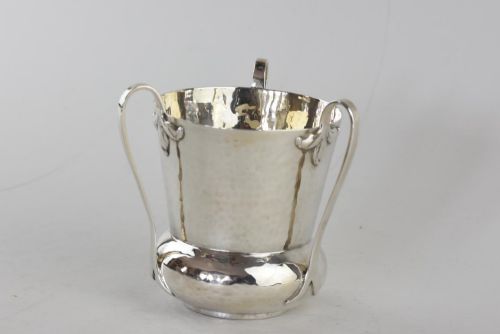
The most frequent versions you meet on this page are metalwork drinking vessels and ceramic vessels exhibiting characteristic design traits of the movement. Examples range from three handled silver tygs and planished bowls to stoneware beakers and pottery loving cups created by notable makers.
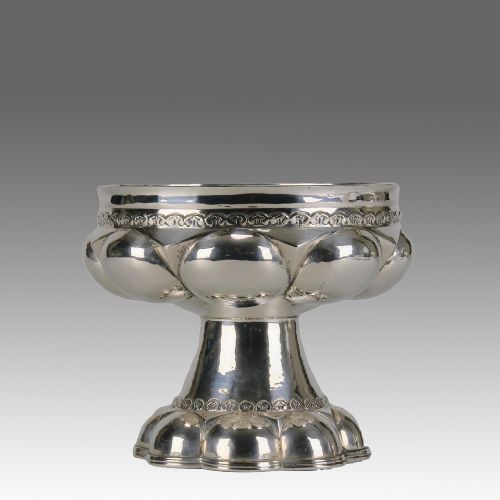
Forms vary from traditional chalices and mugs to specialised vessels like celtic revival pewter chalices and turned wood goblets. Each piece reflects the functional craftsmanship and decorative pottery traditions associated with the broader design movement.
How they were made
Makers utilised metals such as sterling silver, pewter, copper, and brass, often shaping them through manual hammering and planishing techniques to produce visible surface texture. Silver and pewter items display the hand beaten finish typical of metalwork from this era.
Ceramic vessels on this page utilise stoneware and porcelain, featuring salt glaze or decorated surfaces by artists. Treen examples demonstrate turned specimen wood construction, highlighting natural grain patterns in goblets and vessels.
Arts and Crafts Cup Retail Price Guide 2026
Typical asking prices for arts and crafts cup among the pieces listed under this phrase on Sellingantiques today, from the lower quarter to the upper quarter. They describe what is for sale here now, not the wider market.
Listings feature metalwork and ceramics spanning the late nineteenth century to the mid twentieth century, including sterling silver, pewter, copper, and stoneware.
What varies in quality
The distinction between standard examples and top tier pieces rests upon the crispness of the hand working and the reputation of the workshop or maker. Items bearing documented hallmarks or attribution to known firms demonstrate superior execution.
Surface finish and material weight also determine quality, where even planishing marks and substantial metal gauge indicate careful production. Simpler production pieces contrast with highly detailed items featuring specialised ceramic decoration or bespoke metalwork.
Royal Doulton·Lambert and Co·R E Stone·Nathan and Hayes·Florence E Barlow·Picards·Fulham Pottery·Liberty Pewter Tudric
The Arts and Crafts Cup Glossary
- Tyg
- A large drinking vessel, typically with three or more handles, designed for communal passing around the table. These ceramic or metal pieces often date from the Victorian period onwards.
- Quaich
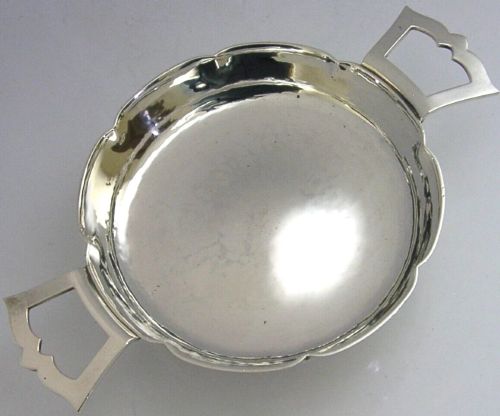
- A shallow two handled drinking vessel originating in Scotland, adopted by modernist and revival metalworkers for bowls and cups. The form emphasises horizontal symmetry and simple handles.
- Chalice
- A large stemmed cup used for ceremonial or formal drinking, frequently rendered in sterling silver or pewter during the early twentieth century. The proportion relies on a prominent bowl atop a raised foot.
- Planished
- A metalworking surface finish created by striking the metal with a small polished hammer to produce shallow, flat facets. This technique leaves a distinctive texture across silver, copper, and pewter objects.
Arts and Crafts Cup: Frequently Asked Questions
What is a tyg cup?
A tyg is a heavy drinking vessel featuring multiple handles designed for sharing among guests at a table. These pieces often appear in stoneware or hammered silver.
On this page, tygs showcase traditional pottery and metalworking methods from the late nineteenth and early twentieth centuries.
How do I identify silver period pieces?
Silver and metal vessels carry hallmarks that indicate the assay office, year of manufacture, and maker's mark. Examining these stamps helps place the item within specific decades like nineteen ten or nineteen fifty.
Stylistic cues such as planished surfaces and celtic revival motifs further support period identification.
What materials were used?
Makers utilised a wide variety of materials including sterling silver, pewter, copper, brass, stoneware, porcelain, and specimen wood. Each material reflects the specific medium favored by individual workshops and potteries.
Metal items often display hammered textures while ceramic vessels feature distinctive glazes and hand painted decoration.
How were these cups used?
These vessels served both decorative and functional roles in domestic settings for drinking ale, wine, or water. Quaichs and chalices often held communal or ceremonial significance during gatherings.
Today, collectors use them as display objects or functional tableware that highlights historical craftsmanship.