

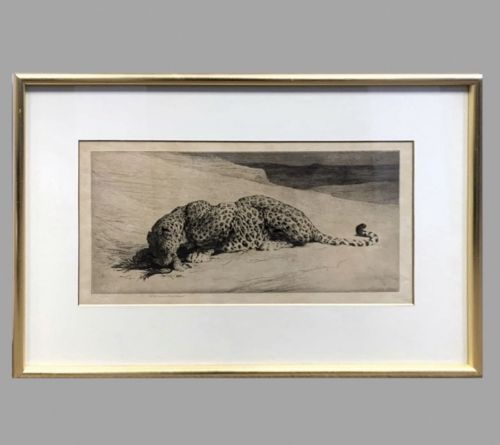
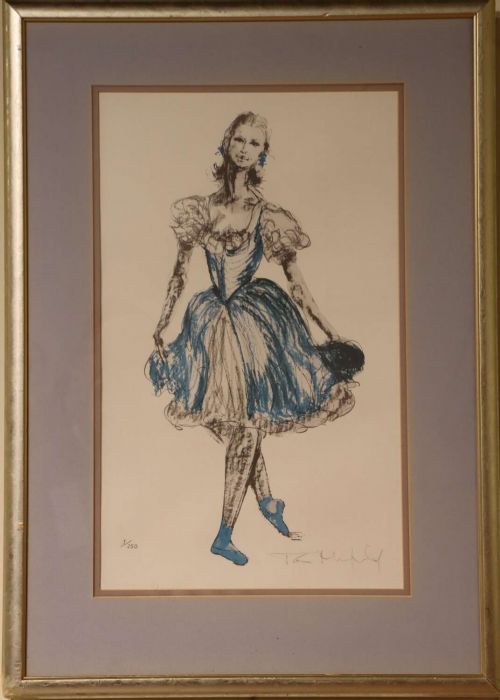
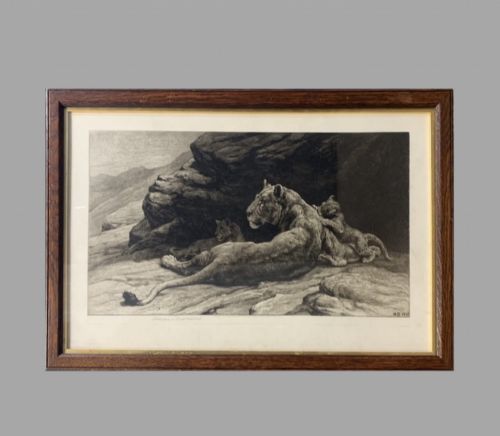
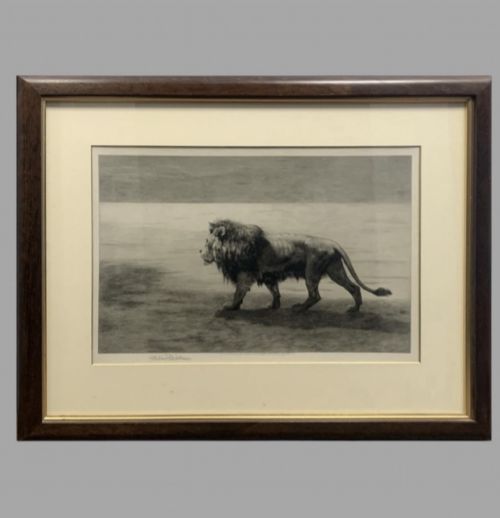

Artist Signed Artwork
Artist signed artwork brings individual hand and acknowledged authorship together, offering collectors a direct link to the creator through named paintings, drawings, and prints.
Artist Signed Artwork
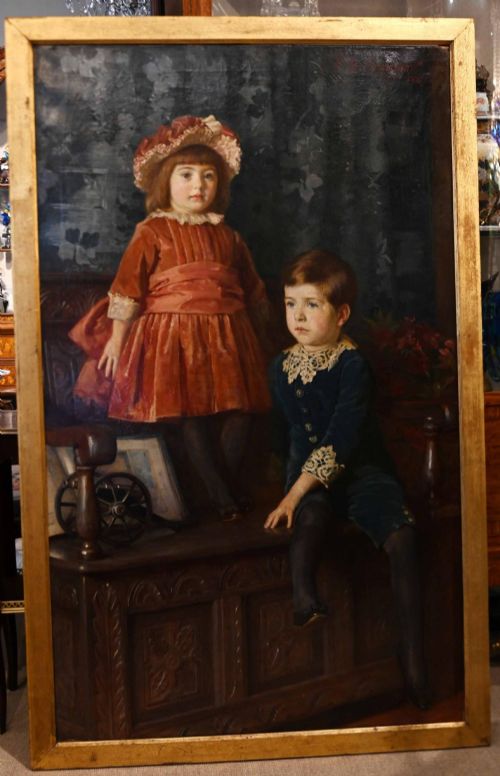
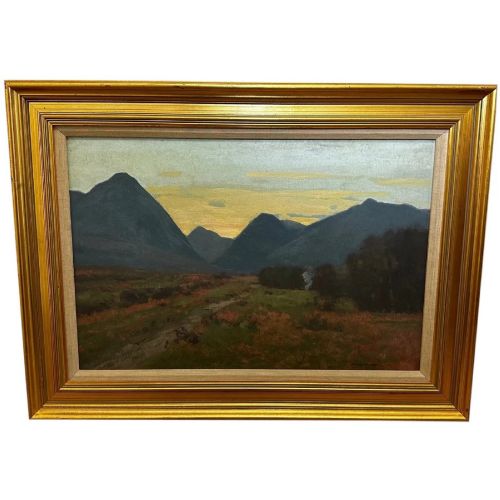
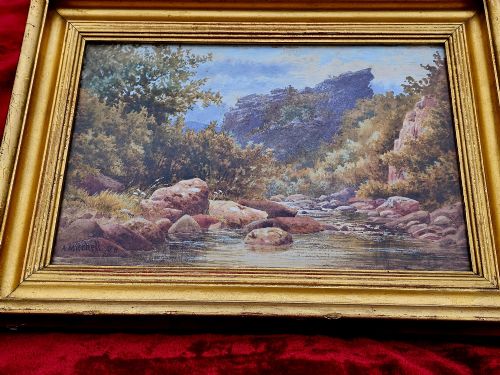
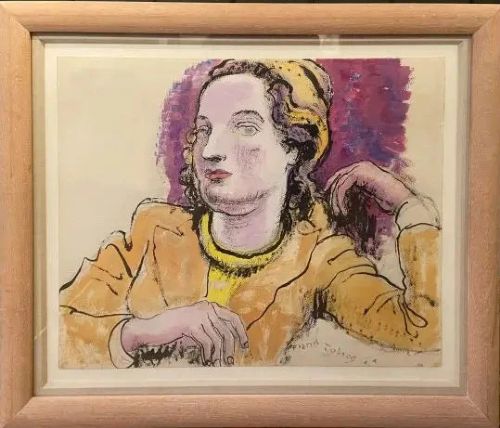
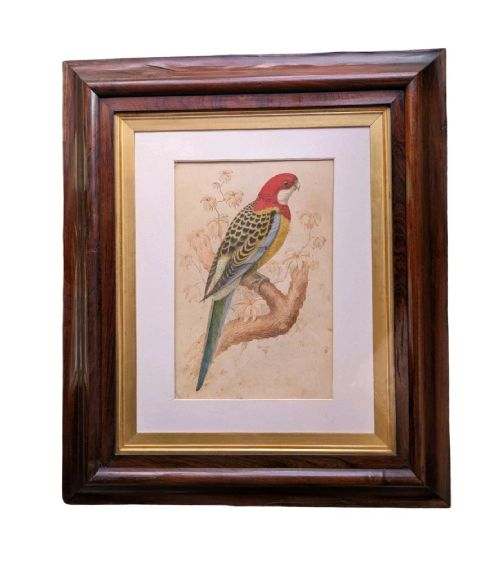
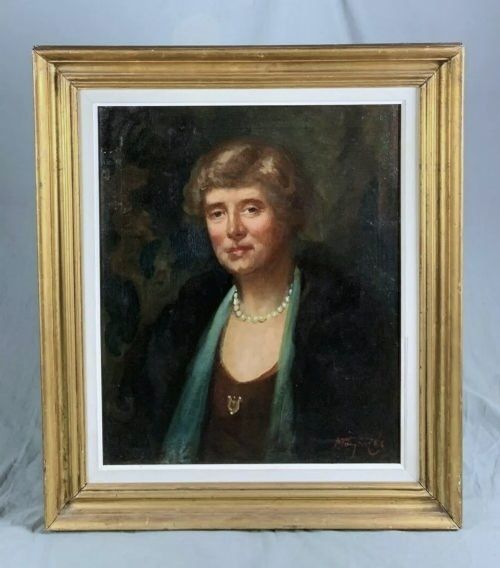
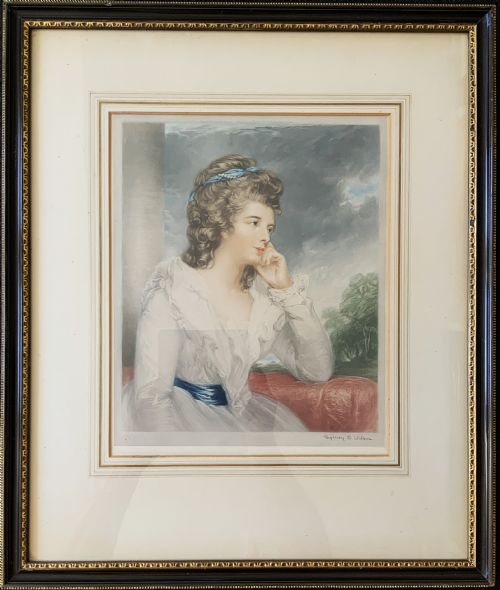
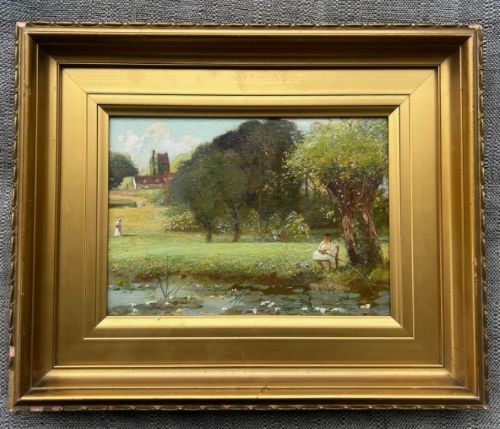
When you search for artist signed artwork, you are looking at original paintings, watercolours, sketches, and limited edition prints bearing the personal signature or cipher of the creator. These pieces span multiple centuries, appearing frequently in Victorian, Edwardian, and mid-century modern British styles.
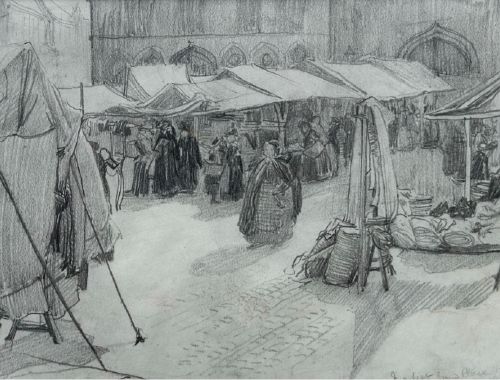
You are most likely to meet framed watercolours, oil paintings on canvas or wood panel, and pencil drawings originating from the nineteenth and twentieth centuries. Subjects range from traditional landscapes and portraits to animal studies and abstract compositions.
The presence of a signature transforms a generic historical item into a traceable piece by a specific hand, connecting the buyer directly to the studio practice of the period.
Materials and Techniques
The physical support structures vary between traditional paper, heavy vellum, prepared canvas, and solid wood panels. Watercolour, graphite, and oil paint represent the primary mediums applied across these surfaces.
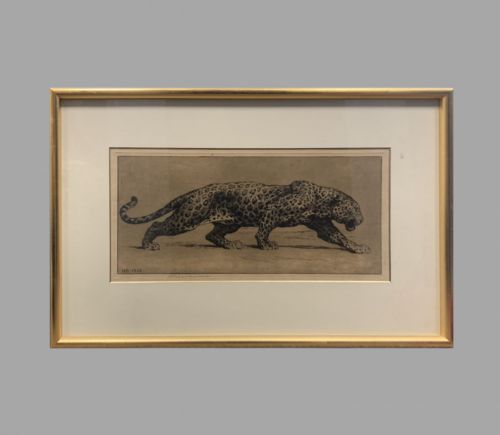
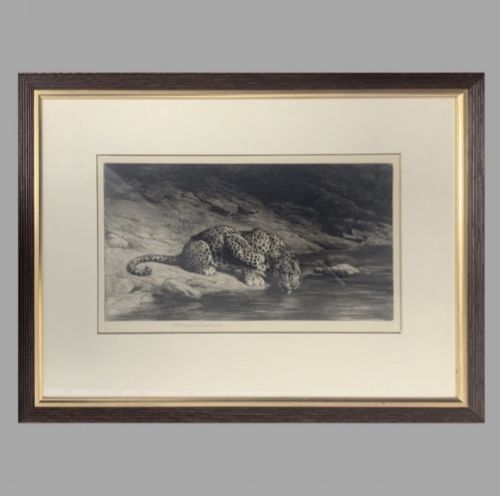
Printmaking techniques such as etching, engraving, and lithography appear alongside direct hand-drawn works, often produced in limited artist proofs signed directly in pencil below the image.
Artist Signed Artwork Retail Price Guide 2026
Typical asking prices for artist signed artwork among the pieces listed under this phrase on Sellingantiques today, from the lower quarter to the upper quarter. They describe what is for sale here now, not the wider market.
Listings feature works across paper, vellum, canvas, and wood, executed in oil, watercolour, graphite, and etching.
Assessing Quality
Quality rests in the strength of the execution, the clarity of the signature, and the preservation of the underlying medium. A confident brushstroke or a crisp pencil line demonstrates the creator's technical mastery.
The relationship between the signature and the work matters deeply; an artist proof or a clearly documented studio piece carries distinct aesthetic and historical weight compared to routine decorative output.
Herbert Dicksee·Fred Lawson·George Houston·William Littlejohn·Dame Laura Knight
The Artist Signed Artwork Glossary
- Artist proof
- An impression of a print pulled for the creator's own use or approval, typically bearing a signature and marked outside the standard numbered edition.
- Etching
- A printmaking method where lines are bitten into a metal plate with acid before being inked and pressed onto paper or vellum.
- Watercolour
- A painting method utilising pigment suspended in a water-based, translucent solution, commonly applied to paper.
- Vellum
- A fine parchment material prepared from calfskin, frequently utilised for archival etchings and high-grade works.
- Provenance
- The documented history of ownership that establishes the authenticity and timeline of a piece.
Artist Signed Artwork: Frequently Asked Questions
How do I verify an artist signature?
Comparing the signature against known exemplars, exhibition catalogues, and biographical records helps establish authenticity.
Examine the ink or pencil medium to ensure it matches the period of the work rather than appearing as a later addition.
What is the difference between a painting and a print?
Paintings are unique, direct applications of oil or watercolour onto a physical surface by the hand of the creator.
Prints involve a mechanical or chemical transfer process from a prepared plate or stone, though signed impressions remain collectible.
How should I frame antique works on paper?
Works on paper require acid-free mounting materials and UV-protective glazing to prevent discolouration and fading over time.
Keeping the paper from direct contact with the glass preserves the delicate pigments and graphite lines.
Why do some prints feature pencil signatures?
Printmakers during the nineteenth and twentieth centuries adopted the custom of signing their finished proofs in pencil to confirm quality.
Pencil signatures resist fading better than certain inks and indicate personal oversight of the edition.