





Art Stoneware Vessel
An art stoneware vessel brings tactile weight and rich glaze variation into a room, offering an enduring connection to late nineteenth and early twentieth century ceramic design.
Art Stoneware Vessel
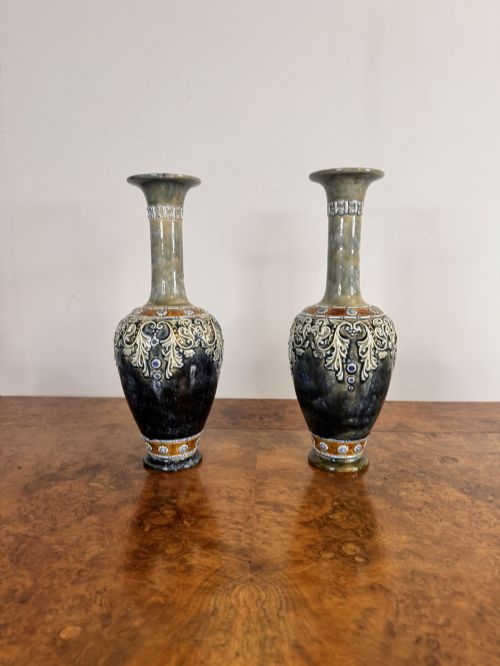
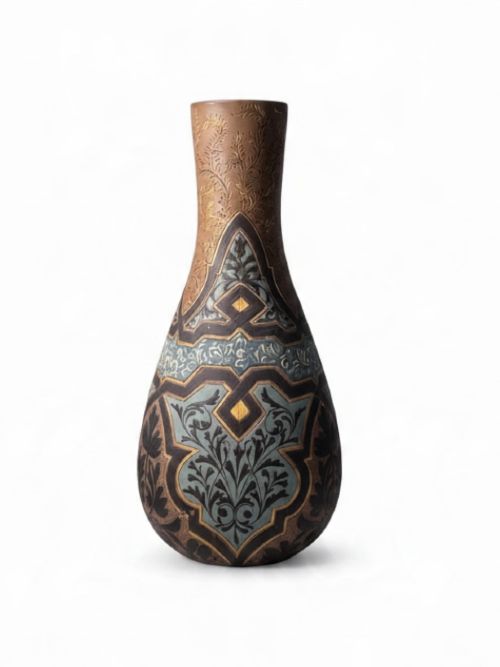
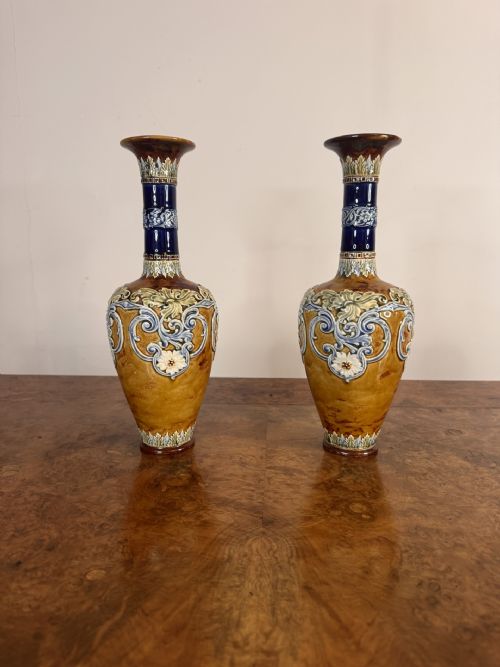
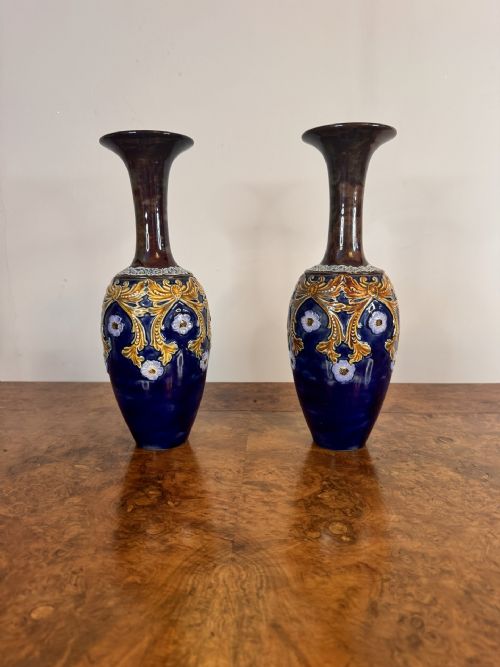
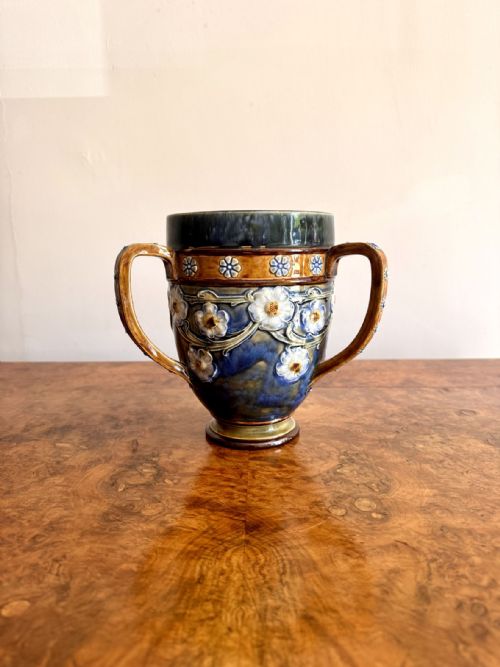
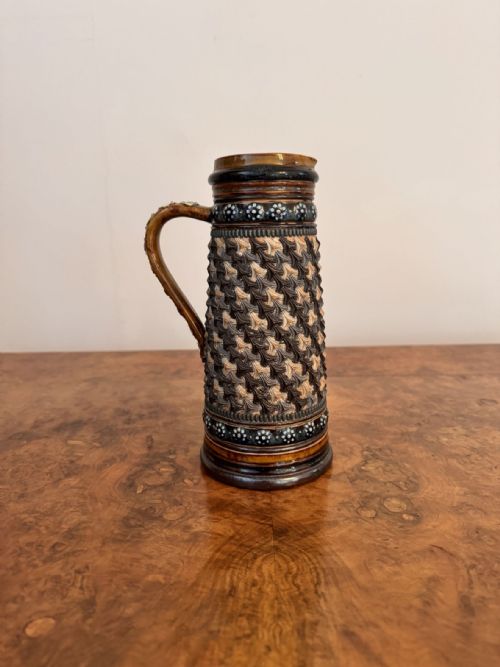
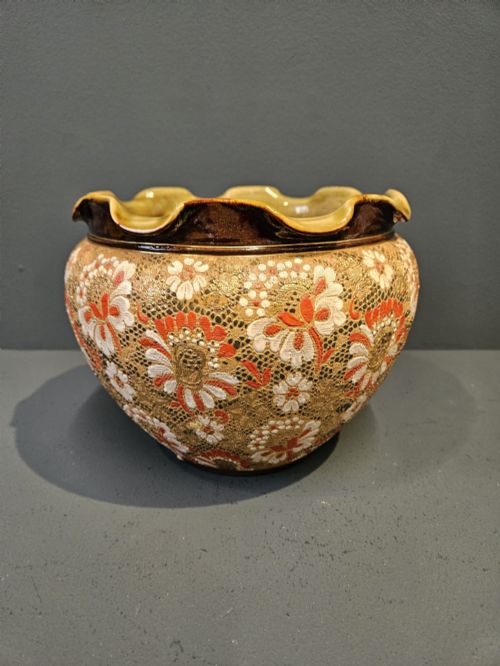
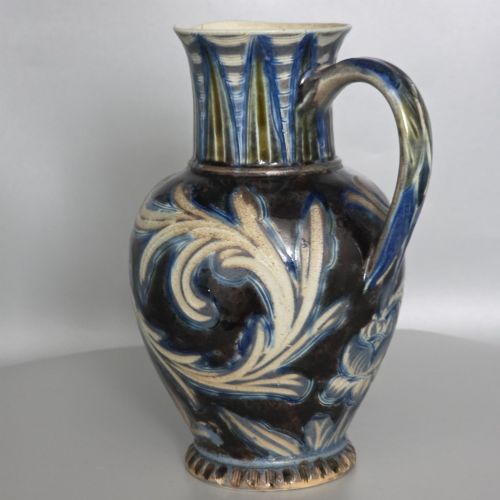
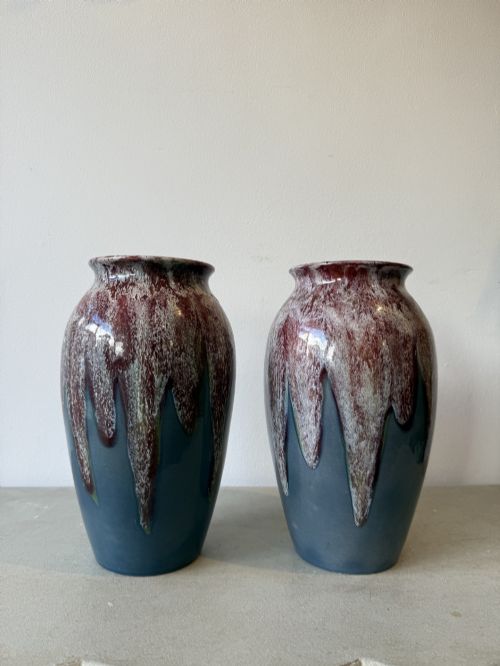
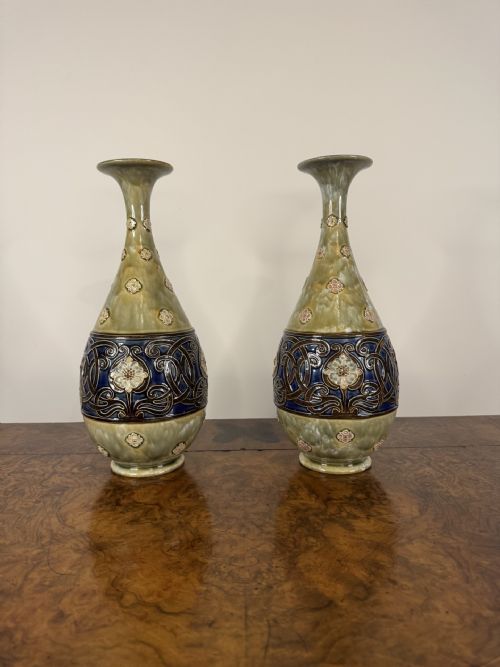
When you examine an art stoneware vessel on this page, you encounter robust ceramic forms shaped during the Victorian, Arts and Crafts, and Art Nouveau periods. The selection focuses heavily on English production, with pieces spanning jugs, jardiniere planters, ewers, and baluster vases.
Most examples originate from the workshops of Doulton Lambeth, alongside continental output from Mettlach, French makers, and domestic potteries like Poole and Fulham. These objects range from modest domestic items to large, intricately decorated display pieces.
The prevailing aesthetic reflects the shift from strict Victorian ornamentation towards flowing organic motifs and textured salt glaze surfaces. Buyers primarily select these pieces to anchor a room with period character and tangible historical craftsmanship.
What varies in quality
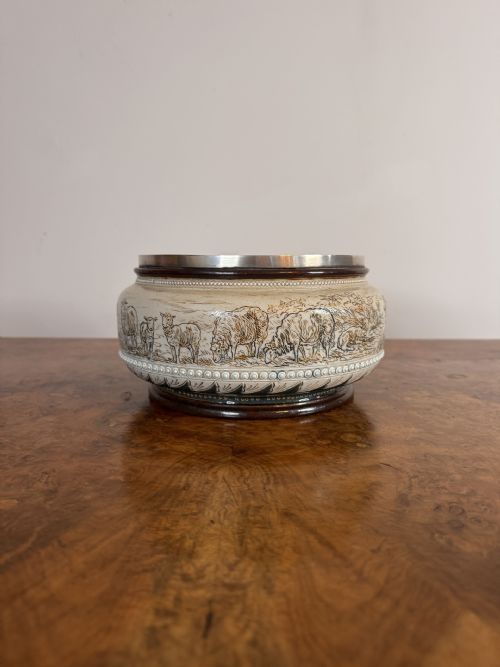
The distinction between standard production and top tier examples rests on the identity of the decorator and the crispness of the incised execution. Pieces bearing the named ciphers of notable artists command greater attention due to their individual artistic expression.
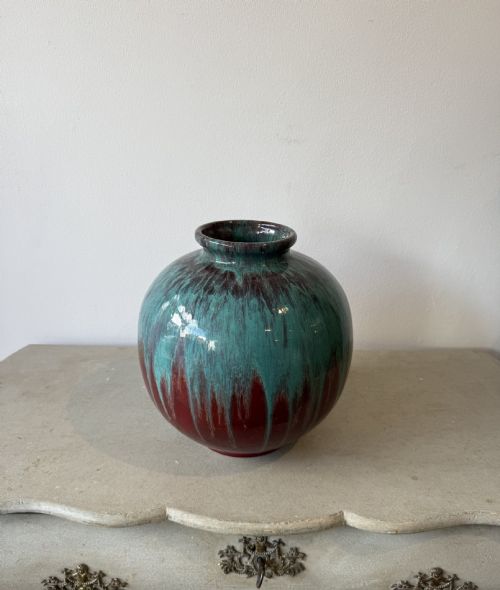
Complexity of form and ambition of glaze also dictate standing, as balanced proportions and successful firing results elevate a piece far above utilitarian output. The presence of original silver mounts adds a further layer of distinction to the final object.
Art Stoneware Vessel Retail Price Guide 2026
Typical asking prices for art stoneware vessel among the pieces listed under this phrase on Sellingantiques today, from the lower quarter to the upper quarter. They describe what is for sale here now, not the wider market.
Several pieces preserve the hidden initials of Victorian women artists who carved intricate foliage into wet clay before morning tea.
Royal Doulton Lambeth·Mettlach Pottery·Fulham Pottery·Poole Pottery·Roger Guerin
The Art Stoneware Vessel Glossary
- Stoneware
- A dense, vitreous ceramic fired at high temperatures until non-porous. It provides a durable foundation for rich glazes and deep surface carving.
- Salt Glaze
- A finish created by throwing common salt into the kiln during high temperature firing. This produces a pitted, lustrous texture across the body.
- Tyg
- A large drinking vessel typically featuring multiple handles designed for communal passing. They often appear with elaborate incised decoration and silver rims.
- Baluster
- A vase shape characterised by a rounded lower body that tapers gracefully toward a narrow neck. It is a classic profile found throughout British art pottery.
- Slaters Patent
- A decorative technique involving the pressing of lace or textiles into damp clay to create textured patterns. These areas were then hand-painted with enamel colours.
Art Stoneware Vessel: Frequently Asked Questions
How do I clean an antique vessel?
Dust the surface gently with a soft, dry cloth to protect fragile glazes and delicate enamel decoration from abrasion.
Avoid submerging pieces with silver mounts or porous earthen bodies in water to prevent long term material degradation.
Are these vessels water tight?
Stoneware bodies are naturally vitrified and non-porous, making them well suited for holding fresh flowers without internal damage.
Earthenware pieces or items with historic hairline stabilization require greater caution when exposed to standing moisture.
How do I identify the maker?
Inspect the underside for impressed factory ciphers, pattern numbers, and stamped retailer marks characteristic of late nineteenth century production.
Many individual decorators also inscribed their personal monogram alongside the main factory stamp during the handling stage.
Where should I display them?
Position heavier baluster vases and jardiniere planters on sturdy low surfaces where their textured glazes catch natural light.
Keep them away from direct heat sources and high traffic edges to safeguard projecting handles and applied elements.