



Art Pottery Plate
An art pottery plate combines tactile form with painterly glaze, offering a distinct focal point for a wall or table.
Art Pottery Plate
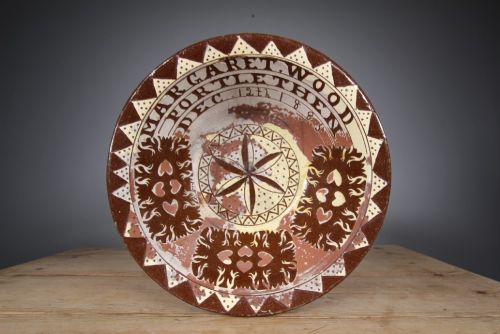
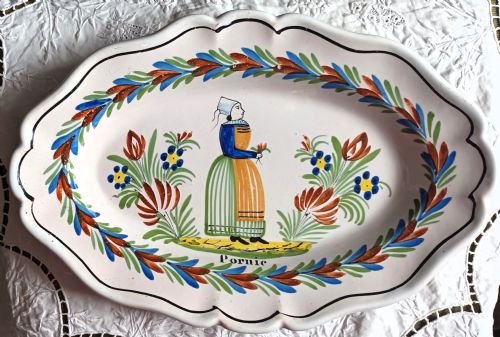
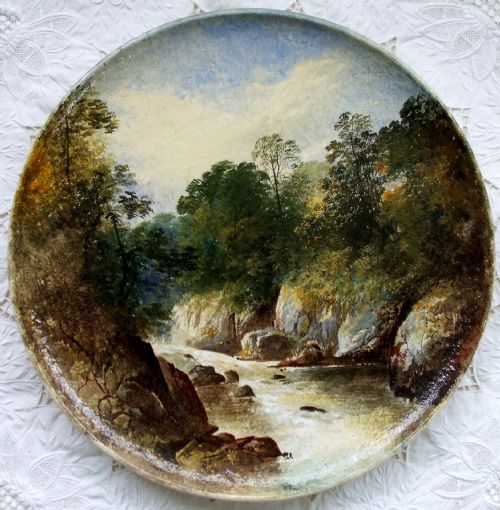
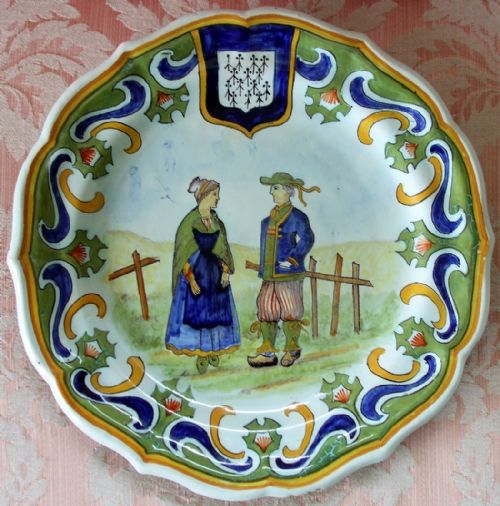
An art pottery plate encompasses decorative dishes, chargers, and wall plaques originating from the nineteenth and early twentieth centuries. These pieces display diverse regional aesthetics, from French faience dishes to British art deco chargers and Victorian pottery plaques.
The nineteenth-century examples often lean toward traditional slipware, tin glaze, and pictorial transfer scenes, while later works embrace bold art deco tubelined designs and high fired glazes. Bowls, platters, and serving dishes frequently share the same decorative impulses as flat plates.
British and continental European potteries dominate this selection, ranging from Scottish slipware and English Copeland plaques to French Quimper and Desvres pieces. Buyers encounter both utilitarian forms adapted for display and dedicated wall plaques intended purely for visual impact.
Assessing visual and technical execution
Quality rests in the crispness of the painterly execution and the depth achieved within the glaze, whether through fluid hand-painted portraits, intricate tubelined patterns, or controlled crystalline effects. Superior pieces demonstrate confident brushwork and harmonious colour placement across the ceramic body.
The clarity of makers' marks and artist signatures often distinguishes standard production from exceptional studio output. Stronger examples maintain precision in moulded or thrown forms without losing the handcrafted character expected in art pottery.
Listings feature earthenware and ceramic pieces decorated with lead glaze, tin glaze, and slip across the nineteenth and twentieth centuries.
William Yale·Charlotte Rhead·Clarice Cliff·Keith Murray·Bernard Moore·Moorcroft
The Art Pottery Plate Glossary
- Earthenware
- A porous ceramic body fired at relatively low temperatures which requires glazing to become impermeable to liquids. It forms the structural base for most traditional faience and majolica plates.
- Faience
- Tin-glazed earthenware originating in Europe, often featuring painted pictorial or floral decoration upon a smooth white background. French regional potteries produced notable quantities of these decorative dishes.
- Tubelining
- A technique where liquid clay is squeezed through a nozzle onto a ceramic surface to create raised outlines for enclosing coloured glazes. This method became a hallmark of art deco pottery design.
- Slip
- Liquid clay used either as a decorative coating or painted onto a contrasting clay body to create patterns. Slipware vessels often display rustic linear designs under a transparent glaze.
- Charger
- A large decorative plate traditionally used for ceremonial purposes or placed beneath smaller course plates on a dining table. Many art pottery chargers were made specifically for display on walls or dresser backs.
Art Pottery Plate: Frequently Asked Questions
Were art pottery plates used for dining?
Many larger chargers and plaques were created strictly for visual display on walls or sideboards, as evidenced by integrated hanging holes or sheer scale. Standard plates and dishes could serve functional roles, though their decorative value often led owners to preserve them as art objects.
Over time, handling shifted from the dining table to domestic display. The delicate nature of tin glaze and tubelined surfaces encouraged this transition.
How do I hang a wall plaque safely?
Displaying a wall plaque or charger requires a secure, properly sized wire hanger that distributes weight evenly across the rim. Ensure the fixture engages firmly without putting undue pressure on the earthenware body.
Avoid hanging pieces in direct sunlight or areas prone to heavy vibrations. Checking the stability of the glaze and ceramic edge before mounting prevents accidental slips.
What is the difference between faience and majolica?
Faience generally refers to tin-glazed earthenware developed in France and northern Europe, often showcasing soft painted motifs on an opaque white glaze. Majolica typically denotes brightly coloured lead glazed earthenware with rich relief moulding.
Both traditions rely on earthenware bodies, but their surface chemistry and visual textures diverge. Continental potteries developed distinct regional interpretations of each technique.
How should I clean antique art pottery?
Dusting gently with a soft, dry cloth is usually sufficient for maintaining glazed ceramic surfaces. Avoid immersing antique earthenware in water, especially if the body has age-related micro-cracks in the glaze.
Chemical cleaners and abrasive pads will permanently damage historical glazes and painted details. Conservative dry maintenance preserves the original surface finish best.