


Art Nouveau Pedestal Table
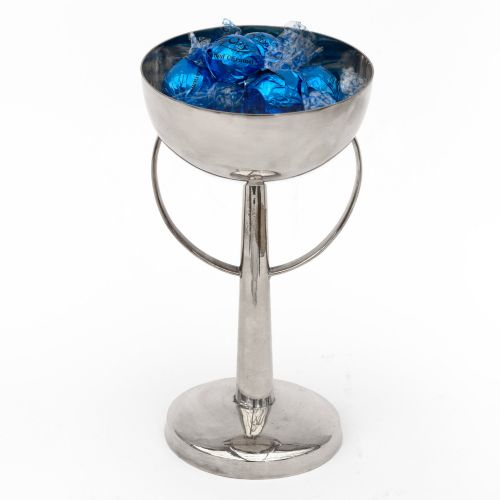
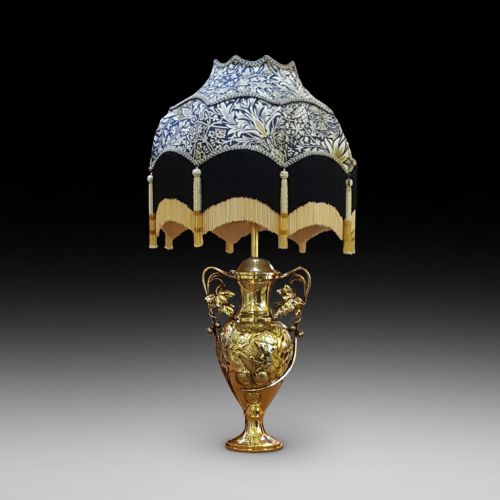
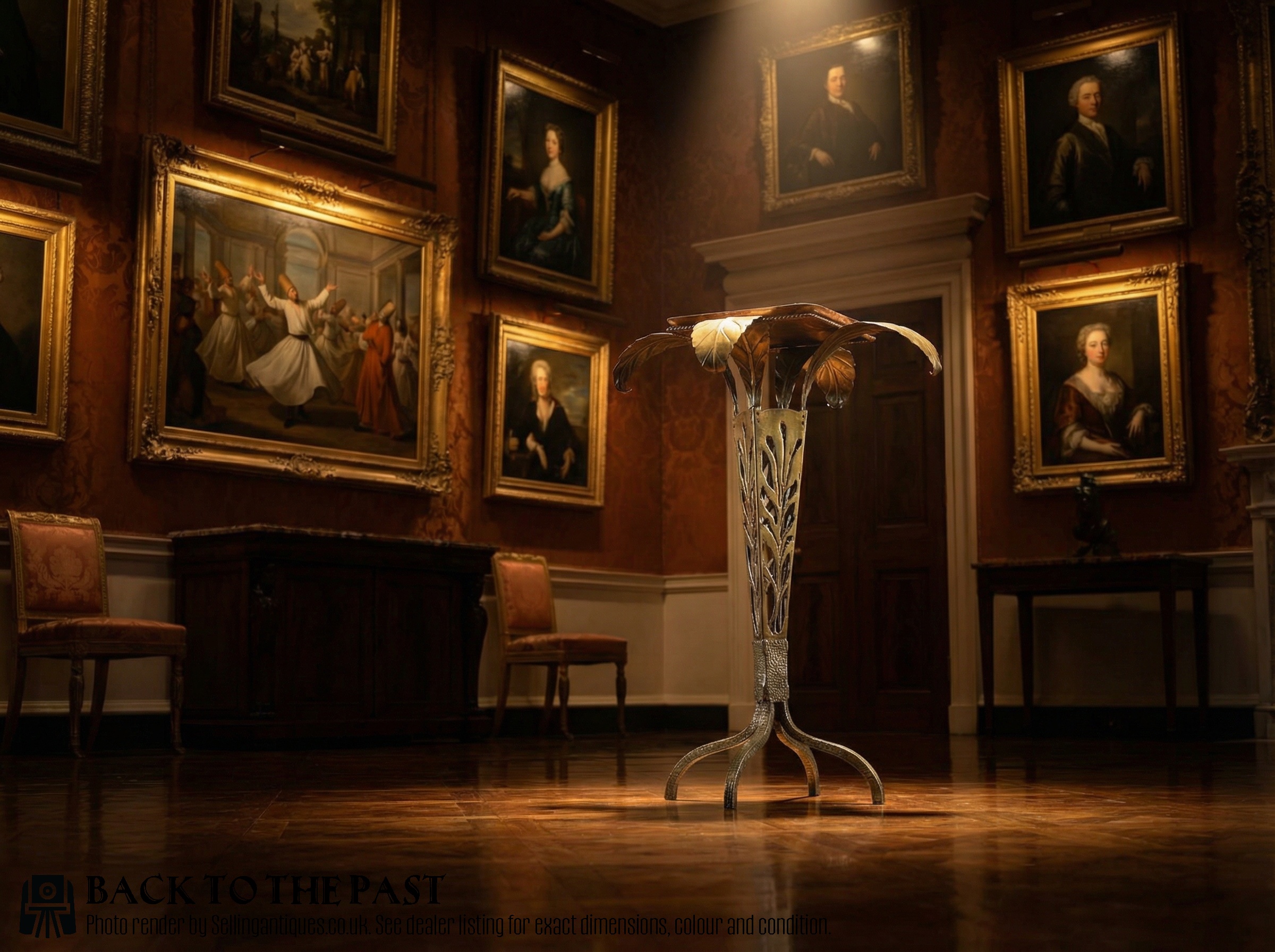
An art nouveau pedestal table brings curving organic lines and striking materials like brass and mahogany straight into your living space.
Art Nouveau Pedestal Table
An art nouveau pedestal table combines organic forms with functional design, spanning plant stands, jardiniere stands, and occasional tables. These pieces emerge across periods including Victorian, Edwardian, 1890, 1900, 1910, 1920, and 1930.
The versions most likely to meet you on this page include tall carved jardiniere stands in mahogany or hardwood, alongside brass and copper occasional tables. Continental origins and Amsterdam School influences frequently appear among these elevated designs.
Makers and makers' marks occasionally surface on related items such as metalware baskets, grounding these decorative forms in firm historical production. The variety encompasses both side tables and plant stands designed to showcase decorative objects.
How they were made
Woodworking techniques utilise carved mahogany, rosewood, and inlaid hardwoods to build sturdy frames for occasional tables and jardiniere stands. Artisans shape these timbers into tall, slender supports suited for displaying plants or lamps.
Metalworking involves brass and copper, often paired with engraved trays or inset marble tops to create durable surfaces on tables and plant stands. Silver plating and pottery further expand the material vocabulary seen across these domestic furnishings.
A Brazilian butterfly table lands gracefully alongside heavy Amsterdam School brass stands, proving furniture makers loved unexpected winged motifs.
What varies in quality
The standard of carving and inlay work distinguishes standard items from superior examples, particularly in mahogany and inlaid occasional tables. Subtle details in floral motifs and wood selection elevate the visual presence of a stand.
The integration of contrasting materials, such as engraved copper trays fitted into brass frames or inset marble tops on hardwood cabinets, dictates the refinement of the piece. Superior construction ensures stability in tall, slender forms designed for daily use.
W M F
The Art Nouveau Pedestal Table Glossary
- Jardiniere stand
- A tall pedestal table specifically designed to hold a plant pot or floral display. These stands often feature elevated platforms and carved wooden supports.
- Amsterdam School
- An architectural and design style originating in the Netherlands around nineteen hundred, characterised by brickwork, rounded forms, and expressive use of materials. Pieces in this style utilise brass and marble.
- Inlay
- A decorative technique where pieces of contrasting wood or other materials are inserted into a recessed matrix on the surface. This method decorates occasional side tables.
- Occasional table
- A small, movable table intended for specific, occasional tasks rather than primary dining or desk work. These include side and plant stands.
Art Nouveau Pedestal Table: Frequently Asked Questions
What is a pedestal table used for?
A pedestal table serves primarily as a display surface for plants, lamps, or decorative objects rather than heavy daily dining. Their elevated design suits corners and hallways.
In period interiors, these tables held oil lamps or jardiniere bowls to bring organic forms into domestic living spaces.
How do I date an art nouveau table?
Dating relies on stylistic markers, material combinations, and construction methods associated with the late nineteenth and early twentieth centuries. Periods range from Victorian and Edwardian to the nineteen-twenties.
Makers' marks, specific brass treatments, and regional influences like the Amsterdam School help narrow the decade of production.
Are these tables sturdy enough for plants?
Tall plant stands and jardiniere tables are engineered to support heavy ceramic pots and damp soil safely. Their central pedestals distribute weight evenly down to the base.
Checking the stability of the joints and the integrity of the wooden or brass frame ensures safe daily usage.
How do I clean a brass and marble table?
Marble surfaces require gentle wiping with a damp cloth to prevent staining from moisture or plant water. Avoid harsh acidic cleaners.
Brass and copper components benefit from dry dusting, retaining their aged metal finish without stripping historical patination.