
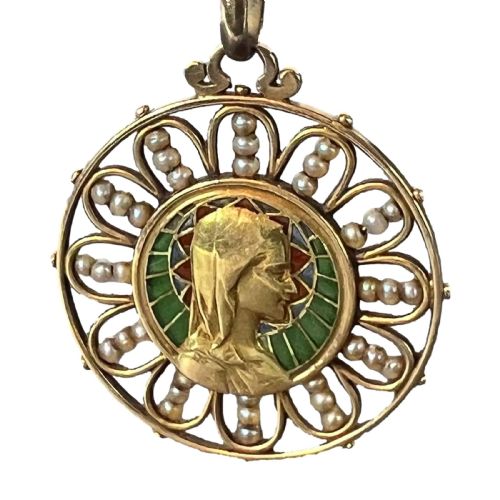


Art Nouveau Pearl Pendant
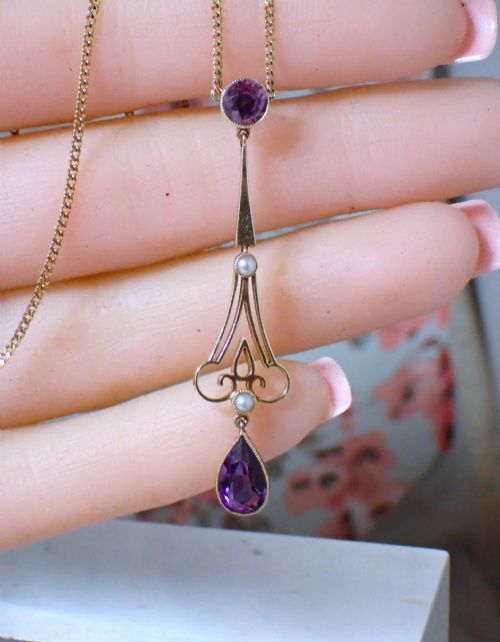
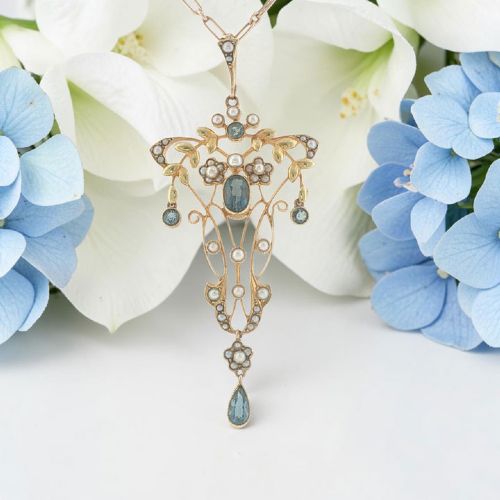
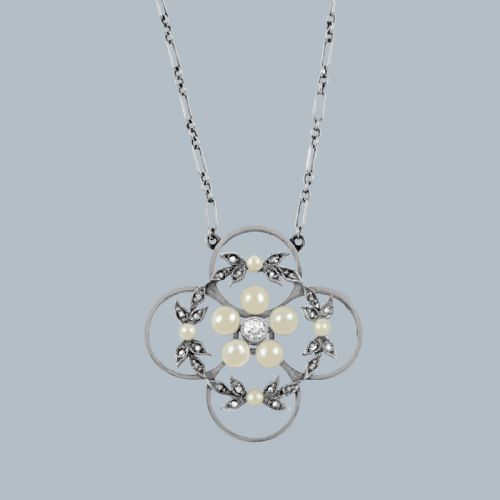
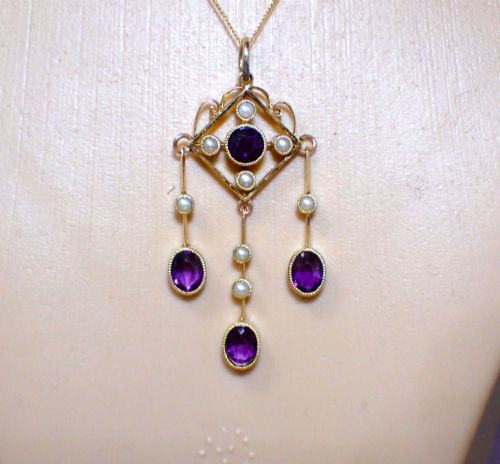
An art nouveau pearl pendant captures the sinuous, organic lines and delicate craftsmanship of the early twentieth century.
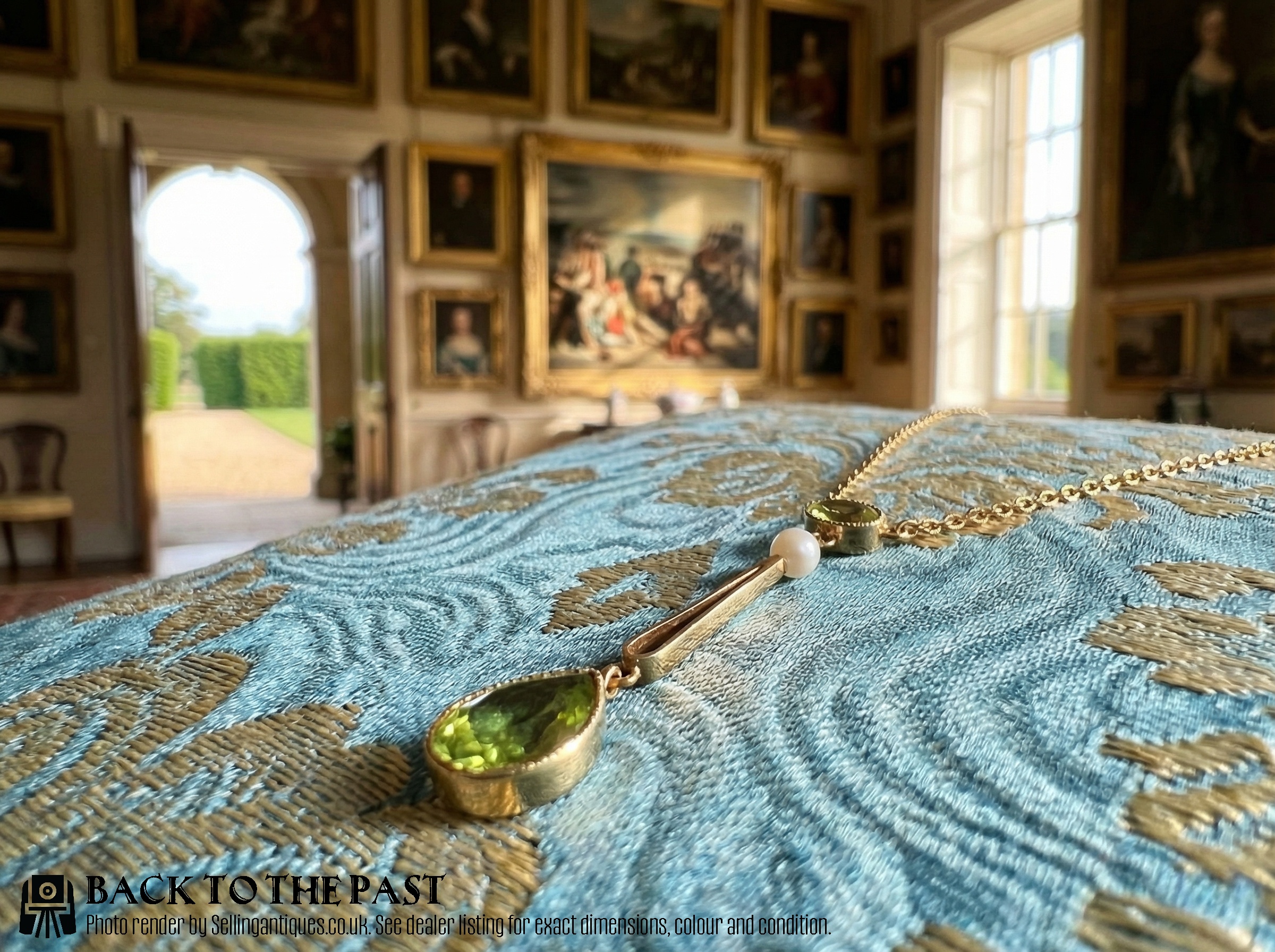
Art Nouveau Pearl Pendant
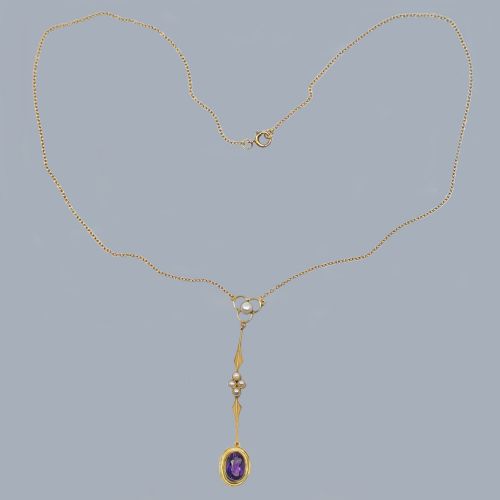
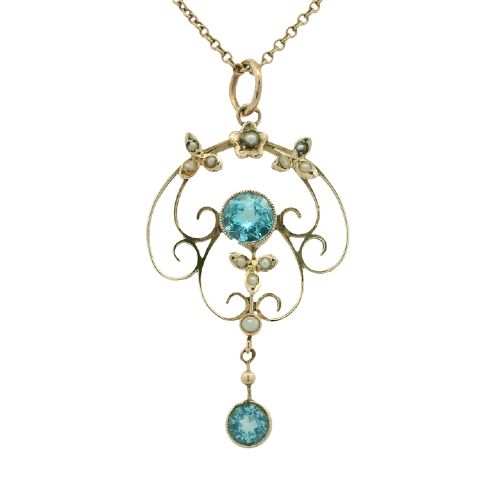
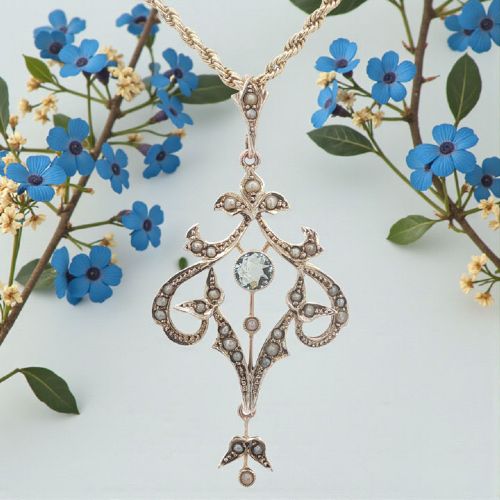
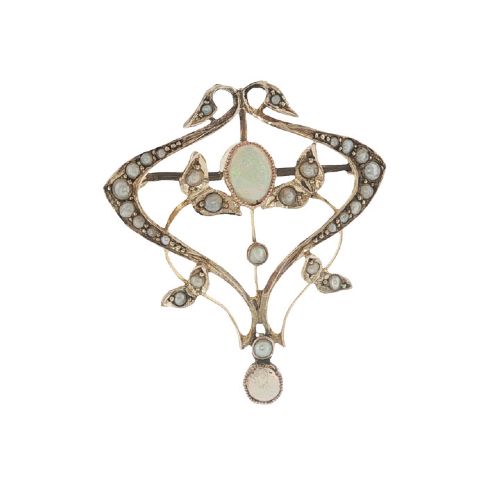
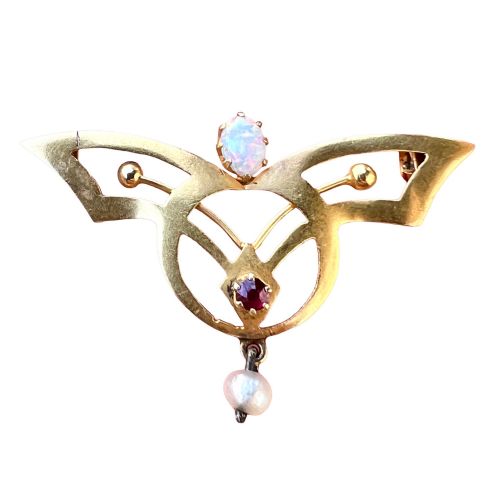
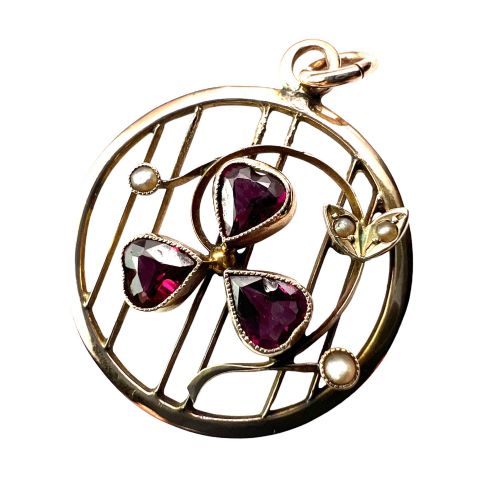
An art nouveau pearl pendant presents sweeping floral motifs, stylised insects, and fluid whiplash curves typical of the turn of the twentieth century. These pieces combine natural pearls or tiny seed pearls with coloured gemstones like amethyst, peridot, aquamarine, and opal.
Buyers frequently encounter gold and silver mountings from the Edwardian era and the Arts and Crafts movement. The drops often feature asymmetric botanical arrangements suspended from delicate chains or integrated lavalier mountings.
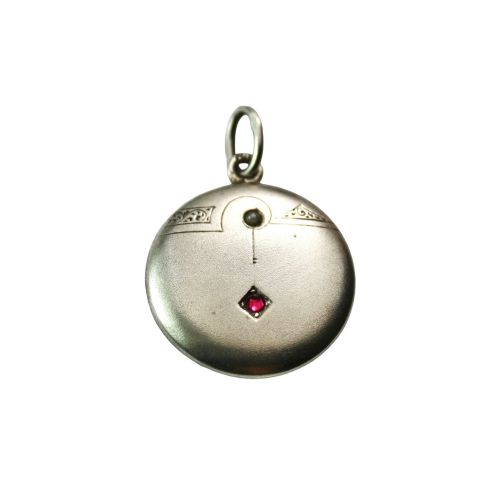
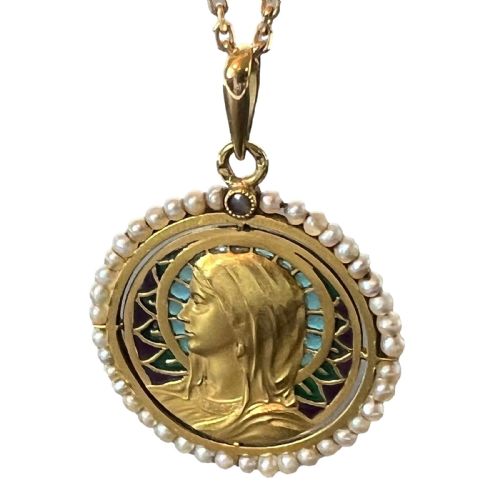
Many examples double as brooches, offering dual fastenings soldered to the reverse of the main frame. French religious medals and floral hearts also appear frequently within this grouping.
Materials and construction
Goldsmiths utilised nine carat, fifteen carat, and eighteen carat yellow gold alongside sterling silver and silver gilt. Plique-à-jour enamel appears extensively, creating translucent windows of colour without backing metal.
Seed pearls are threaded or pinned into intricate floral sprays, while central blister pearls or cultured pearls anchor symmetrical and asymmetrical compositions alike. Metalwork relies on fine hand-piercing, repoussé, and granulation rather than cast mass-production.
Several pendants hide tiny lucky clover hearts designed to ward off bad luck while resting near the collarbone.
Judging execution and origin
Quality rests upon the precision of the plique-à-jour enamel work and the crispness of the hand-pierced metal frames. Superior examples display balanced gemstone pairing and integrated settings where pearls are securely pegged or bezel set.
Attribution to documented designers or prominent workshops elevates a piece significantly. Pieces carrying clear maker stamps or hallmarks reflect a higher tier of period craftsmanship than unmarked workshop variants.
Archibald Knox·Liberty and Co·Murrle Bennett·Wilhelm Fuhner·Levinger and Bissinger·Eduard Loss·Meyle and Mayer·Barnet Henry Joseph·Cropp and Farr
The Art Nouveau Pearl Pendant Glossary
- Plique-a-jour
- An enamelling technique similar to cloisonné where the enamel has no backing metal, allowing light to shine through the transparent or translucent coloured glass. This method creates a stained-glass effect highly characteristic of high-end period jewellery.
- Seed pearl
- A very small, naturally occurring pearl, often pierced and threaded onto fine wire or silk within cluster and floral settings. These tiny pearls provide delicate texture around larger centre stones.
- Lavalier
- A pendant necklace featuring a suspended gemstone or drop that hangs lower than the main decorative frame. This style gained immense popularity during the Edwardian period.
- Jugendstil
- The continental European manifestation of the Art Nouveau movement, particularly prominent in Germany and Austria. Pieces from this aesthetic emphasise organic geometry and stark, elegant linework.
Art Nouveau Pearl Pendant: Frequently Asked Questions
How do I wear a pendant brooch?
Many period pieces feature a hidden pin and a fold-down loop on the reverse. This allows the mount to function as a chest brooch or slide onto a neck chain.
Ensure the safety catch remains secure if you choose to wear the item as a brooch on heavier fabrics.
Are seed pearls fragile?
Seed pearls are secured with fine wire or historic silk threads that can weaken over decades. Avoid submerging these antique pieces in water or ultrasonic cleaning baths.
Store them flat in lined boxes to prevent tension on the delicate settings and organic components.
What defines plique-a-jour enamel?
Plique-a-jour lacks a solid backing plate, meaning light passes straight through the colourful vitreous enamel cells. It resembles miniature stained glass and requires exceptional skill to fire without cracking.
Inspect the translucent cells closely under magnification to appreciate the mastery involved in their creation.
How can I date an art nouveau pearl pendant?
Dating relies on assay marks, gold carat standards, and stylistic markers associated with the turn of the twentieth century. Pieces from this bracket span the late Victorian era through the Edwardian period and the First World War.
Maker stamps and retailer signatures provide the most reliable chronological anchors.