





Art Nouveau Moulding
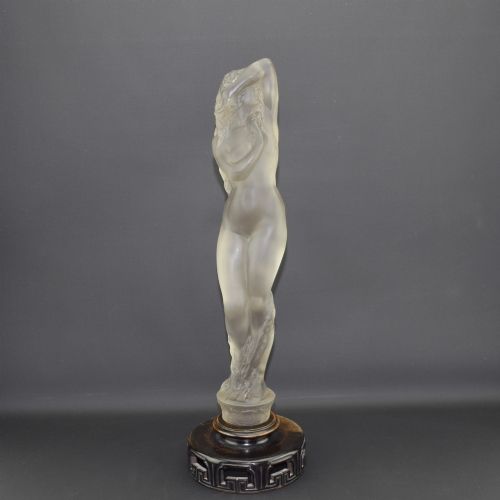
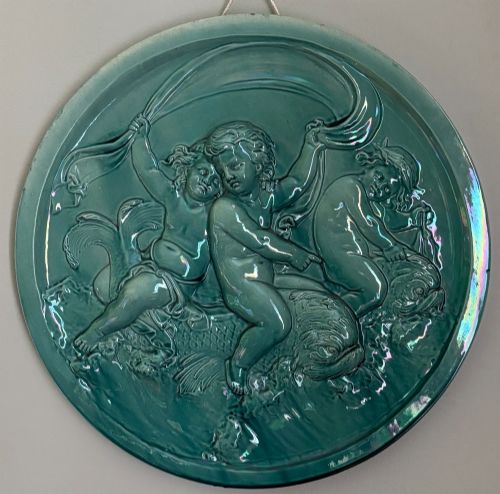
These art nouveau moulding pieces capture the fluid lines and natural motifs of the era through glass, brass, and enamel.
Art Nouveau Moulding
When you search for art nouveau moulding, you are looking at items shaped by the sinuous, organic aesthetic that dominated design around the turn of the twentieth century. These pieces span from the late Victorian period through the Edwardian era and into the 1920s.
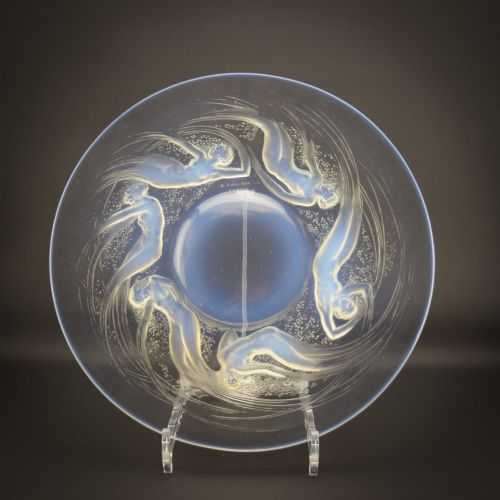
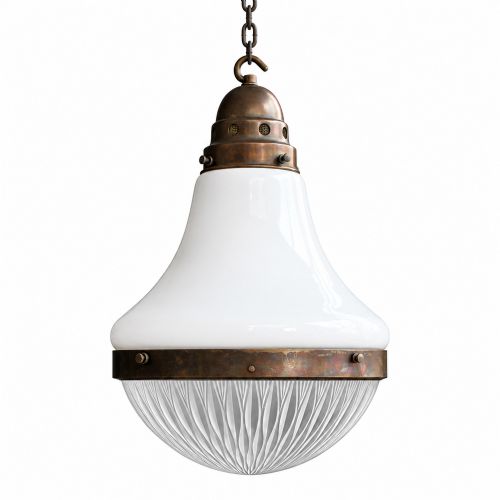
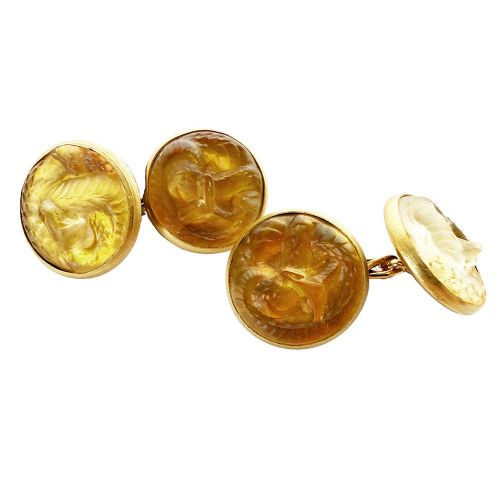
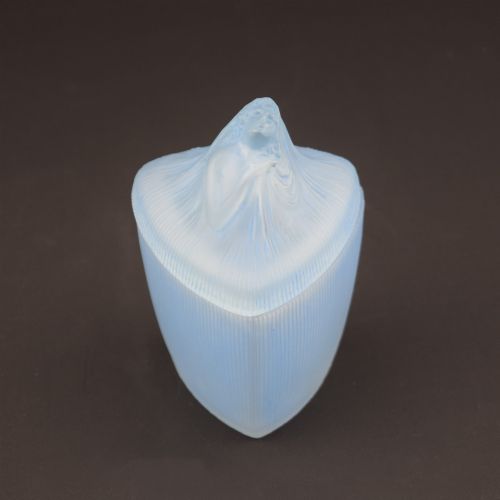
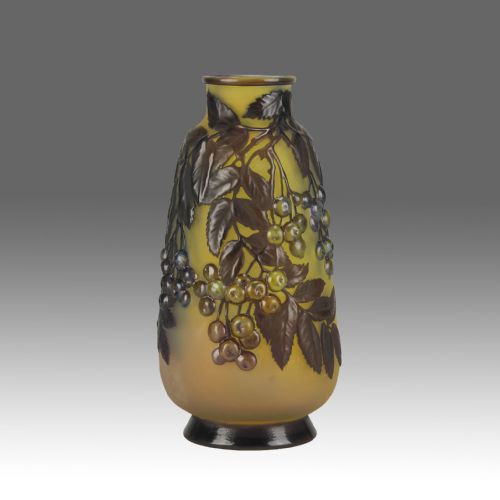
The selection here includes pendant lights, cufflinks, powder boxes, vases, decorative plates, shot glasses, perfume bottles, and umbrella and stick stands. You will frequently encounter glassware and decorative vessels carrying characteristic floral and fauna themes.
Makers utilised techniques like moulding, cameo carving, and pate de verre to achieve these sculptural forms. The pieces bridge functional domestic objects and fine decorative art.
How they were made
Glass production forms the backbone of these pieces, utilising frosted, moulded, clear, and opal glass. Makers employed complex processes such as acid-etching for cameo glass and high-heat fusing for pate de verre to build texture and depth.
Metalwork relies on brass and gilt frames, often incorporating enamel or staining to enhance the surface detail. Staining and enamelling techniques introduce rich sepia, grey, and red colouration into the moulded recesses of the glass.
Art Nouveau Moulding Retail Price Guide 2026
Typical asking prices for art nouveau moulding among the pieces listed under this phrase on Sellingantiques today, from the lower quarter to the upper quarter. They describe what is for sale here now, not the wider market.
Periods represented in the evidence range from the 1890s Victorian era through Edwardian times and into the 1920s.
What varies in quality
Quality rests in the crispness of the moulding and the depth of the finish, whether in glass or metal. Superior examples exhibit precise handling of relief work and deliberate control over applied staining or enamel.
The finesse of the design execution separates standard utility items from distinguished decorative pieces. Master makers achieved subtle gradients in frosted and coloured glass that lesser workshops failed to replicate.
R Lalique·Gallé·Argy Rousseau·Amalric Walter
The Art Nouveau Moulding Glossary
- Pate de verre
- A glass-making method where finely crushed glass is mixed with a binder and packed into a mould before kiln-firing. This technique creates a distinctive frosted, granular texture with rich colour variation.
- Cameo glass
- A vessel produced by layering different coloured glasses and carving away the outer layers to reveal a contrasting design in relief. Acid-etching is frequently used to refine the final image.
- Opal glass
- A translucent milky-white glass that diffuses light softly. It was widely utilised in decorative objects and lighting fixtures during the period.
- Staining
- The application of coloured pigments into the recessed areas of moulded glass to accentuate the design. Sepia, grey, and red tones appear on many period pieces.
Art Nouveau Moulding: Frequently Asked Questions
What is art nouveau moulding?
Art nouveau moulding encompasses decorative objects and fixtures shaped by organic, flowing lines inspired by nature. The style emerged in the late nineteenth century and continued into the early twentieth century.
Peculiar to this aesthetic are asymmetrical curves, plant motifs, and animal forms rendered in glass, metal, and ceramic.
How do I date these pieces?
Dating relies on the materials, manufacturing techniques, and stylistic markers recorded across the Victorian, Edwardian, and Art Deco periods. Pieces span from the 1890s through the 1920s.
Maker signatures and specific glass colouring methods also help narrow down the exact decade of production.
How were perfume bottles used?
Perfume bottles served as vanity accessories designed to hold and dispense scented oils on dressing tables. Their decorative stoppers formed an integral part of the sculptural design.
Many examples incorporate moulded glass and staining to highlight floral or figural motifs.
What is pate de verre?
Pate de verre translates to glass paste and involves packing crushed glass into a mould for kiln-firing. This process yields dense, tactile objects with unique colour blending.
It was a favoured technique for high-end pendants and decorative vessels of the era.