








Art Nouveau Metal Sculpture
Art nouveau metal sculpture captures the flowing organic lines and natural forms of the turn of the century.
Art Nouveau Metal Sculpture
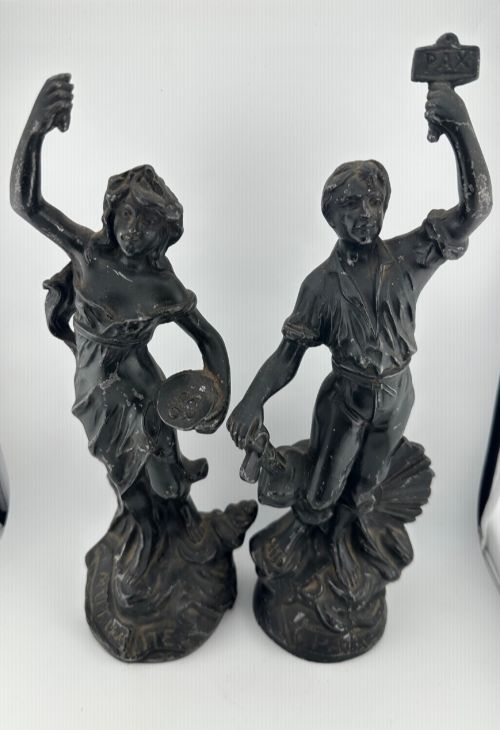
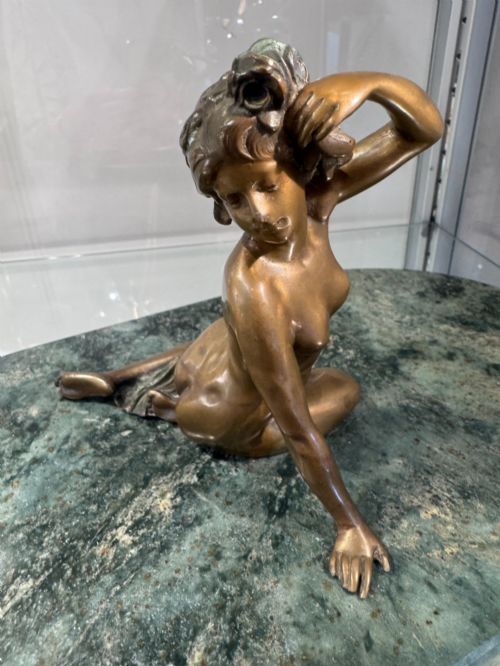
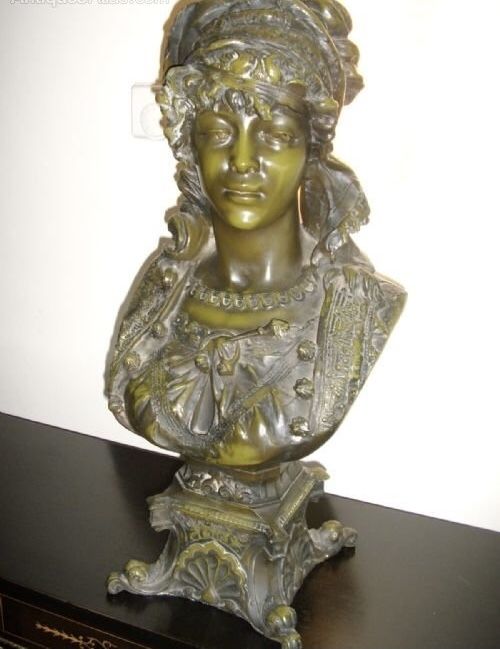
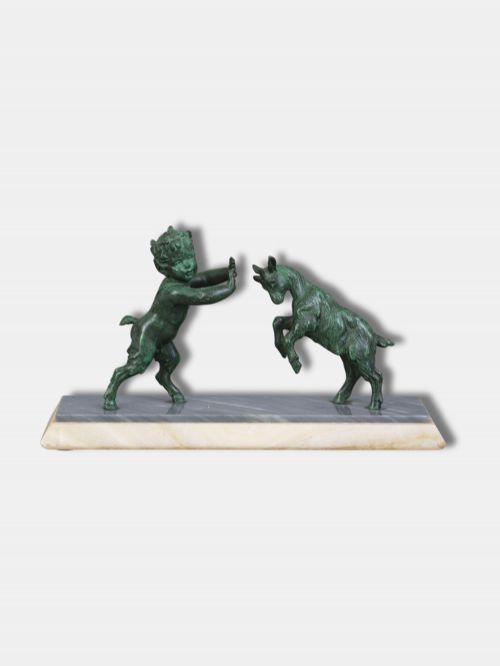
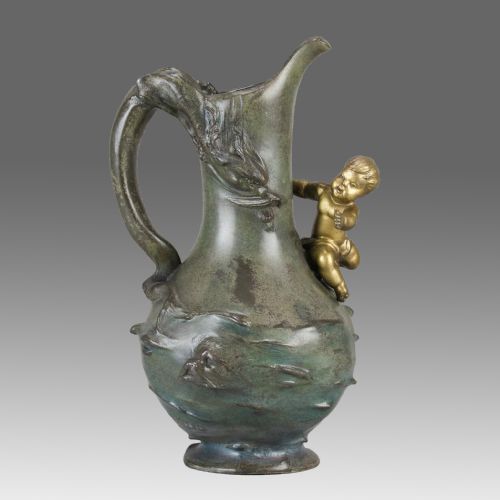
Art nouveau metal sculpture encompasses figural studies, decorative vases, table lamps, and inkwells shaped by the aesthetic of the French Belle Epoque and the early twentieth century. When searching for art nouveau metal sculpture, buyers encounter works depicting female figures, nymphs, maidens, and fantastical creatures rendered in bronze, gilt bronze, and spelter.
The majority of pieces on this page originate from French workshops and studios spanning the nineteenth century, the Edwardian era, and the nineteen-twenties. These works frequently integrate functional elements such as marble bases, vessels, and lighting fixtures into fluid, sculptural compositions.
Materials and construction
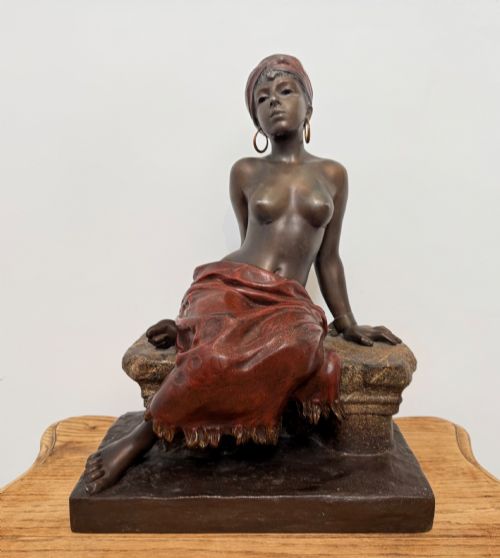
Art nouveau metal sculpture relies heavily on cast bronze and spelter, often enhanced with patinated surfaces, cold painting, or gilding to accentuate surface detail. Bronze pieces offer crisp definition through traditional casting methods, whilst spelter provides a more accessible medium widely utilised for decorative figures and lamps during the period.
Many sculptures incorporate complementary media such as Verdi green marble for plinths and bases, or carved wooden elements. Artisans applied patinas and painted highlights by hand to achieve the characteristic tonal variations seen across figures and vases.
Art Nouveau Metal Sculpture Retail Price Guide 2026
Typical asking prices for art nouveau metal sculpture among the pieces listed under this phrase on Sellingantiques today, from the lower quarter to the upper quarter. They describe what is for sale here now, not the wider market.
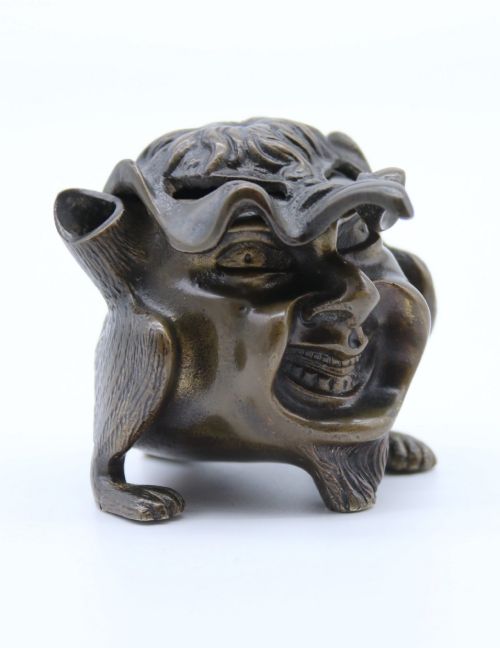
A grotesque creature waits patiently in the form of a bronze inkwell.
Distinctions in quality
The quality of art nouveau metal sculpture rests on the sharpness of the casting and the finesse of the hand-finishing, distinguishing master foundry work from commercial production. Superior examples display refined chisel work, articulate facial expressions, and deeply detailed drapery that capture the vitality of the original model.
The integrity of the material and the preservation of the original patina or cold-painted surface significantly influence the merit of a piece. Furthermore, integration with quality mounts, such as solid marble bases, elevates the overall execution of the work.
Gustave Dussart·Emile Carlier·Henri Godet·Charles Korschann·Jean Dunand·Georges Van De Voorde·Georges Van Der Straeten·Moreau
The Art Nouveau Metal Sculpture Glossary
- Spelter
- A zinc alloy commonly utilised as a cost-effective alternative to bronze in the manufacture of decorative figures and lamps during the period. It accepts patination and paint readily to simulate bronze finishes.
- Patina
- The surface coloration and sheen developed naturally over time or applied chemically by the artisan to enhance depth and texture on metal sculptures. It protects the underlying metal while defining contours.
- Cold painted
- A technique where paint is applied to a metal object without subsequent firing or heat treatment. This method is frequently observed on bronze and spelter studies of the early twentieth century.
- Verdi green
- A rich green coloration applied to marble bases or patinated surfaces to mimic ancient oxidation. It provides a striking visual contrast to warm bronze and gilt metalwork.
Art Nouveau Metal Sculpture: Frequently Asked Questions
How do I distinguish bronze from spelter?
Bronze is heavier, harder, and cooler to the touch than spelter, displaying a finer grain when viewed closely. Spelter is softer and more brittle, often revealing a greyish metal beneath worn areas of patina.
Foundry marks and chiselled surface details typically indicate bronze, whereas cast seams and lighter weight point toward spelter production.
Where were these sculptures displayed originally?
These pieces served as domestic ornaments on mantelpieces, desks, and side tables in fashionable turn-of-the-century interiors. Many functional items, such as inkwells and figural vases, combined utility with artistic display.
Larger figures and lamps occupied prominent positions in drawing rooms, mounted on dedicated marble plinths or pedestals.
How should I care for a patinated bronze?
Dust the surface gently with a soft, dry cloth to prevent the accumulation of grit and moisture. Avoid chemical cleaners, polishes, and abrasive materials that can strip the patination.
Maintain stable indoor humidity levels to protect any integrated wooden elements and marble bases from cracking or discoloration.
What defines the French Belle Epoque style?
The French Belle Epoque period embraced optimism, luxury, and artistic innovation around the turn of the twentieth century. Sculptures from this era celebrate natural forms, feminine grace, and flowing, asymmetrical lines.
This aesthetic rejected rigid academic traditions in favour of expressive movement and decorative harmony.