


Art Nouveau Lady Figure
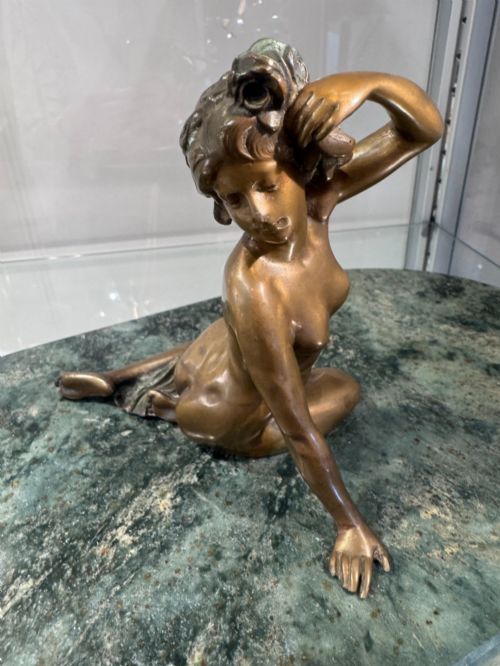
These art nouveau lady figure sculptures capture the flowing lines and organic grace characteristic of the turn of the twentieth century.
Art Nouveau Lady Figure
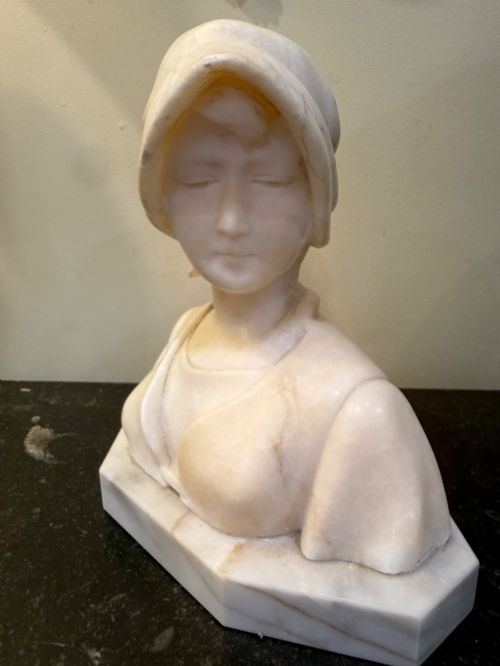
When you search for art nouveau lady figure, you encounter sculptural works that celebrate female grace through sweeping drapery, natural motifs, and stylised hair. These pieces primarily manifest as standalone bronzes, porcelain figurines, and alabaster busts.
The selections on this page range from nineteenth century French casts to Edwardian porcelain maidens and card trays. You will frequently find female subjects depicted with flowing braids, holding jugs, or seated upon marble bases.
Makers and foundries of the period utilised various media to portray these graceful women, moving between patinated bronze, cold painted metal, and glazed ceramic. Each object reflects the aesthetic preoccupations of the Belle Epoque and Arts and Crafts movements.
Materials and methods
Foundries cast bronze figures using the lost wax method, allowing for the intricate detail seen in long hair and delicate drapery. Artisans then applied patination or cold painting to bring depth to the metal surfaces.
Ceramic and porcelain pieces, such as those from Royal Dux or Ernst Wahliss, required expert moulding and hand-painting with enamel accents. Alabaster and marble were hand-carved to form smooth bases and busts, contrasting with the metallic elements.
Several ladies hold jugs or peer into table mirrors, seemingly caught mid-thought during an elaborate nineteenth-century morning routine.
Assessing the craftsmanship
In porcelain and ceramic examples, the subtlety of the enamel work and the integrity of the glaze dictate the grade of the piece. Substantial weight in the stone bases and genuine patination rather than modern paint also distinguish finer items.
Georges Van Der Straeten·Royal Dux·Sylvain Kinsburger·Ernst Wahliss·Jennings Brothers·Maurice Bouval
The Art Nouveau Lady Figure Glossary
- Patinated Bronze
- A bronze sculpture treated with chemicals to produce a coloured surface layer. This process protects the metal and enhances the sculptural contours.
- Spelter
- An alloy of zinc and copper often used as a cost-effective substitute for bronze. It was widely utilised for French figures and mirrors during the period.
- Cold Painted
- A technique where paint is applied to metal without heat after the casting process. Jennings Brothers and other makers employed this to add realistic colour to bronzes.
- Card Tray
- A functional decorative dish integrated with a figure, designed for an entrance hall. These pieces combine utility with the flowing aesthetic of the movement.
Art Nouveau Lady Figure: Frequently Asked Questions
What is the difference between bronze and spelter?
Bronze is a durable alloy of copper and tin that takes a fine chisel mark and ages with a rich patina. Spelter is a softer, zinc-based alloy that is lighter and more brittle.
Spelter figures often show a painted surface rather than a chemical patina, and they are more susceptible to bending or cracking over time.
Where were these figures displayed originally?
These decorative objects adorned drawing rooms, mantelpieces, and entrance halls in wealthy Edwardian and Victorian homes. Card trays were placed near doorways for calling cards.
Larger porcelain maidens and bronze sculptures served as focal points on sideboards, centre tables, and dedicated pedestals within the parlour.
How can I tell a nineteenth century piece from a later reproduction?
Examine the underside of the piece for casting marks, foundry stamps, or artist signatures that align with period records. The quality of the hand-chasing in the metal and the subtlety of the enamel on porcelain indicate age.
Wear patterns should look natural to the handling of the object over a century. Modern reproductions often lack the crisp detail and weight of genuine period casts.