


Art Nouveau Decorative Light
These art nouveau decorative light pieces capture organic curves and floral motifs, bringing period elegance to any interior.
Art Nouveau Decorative Light
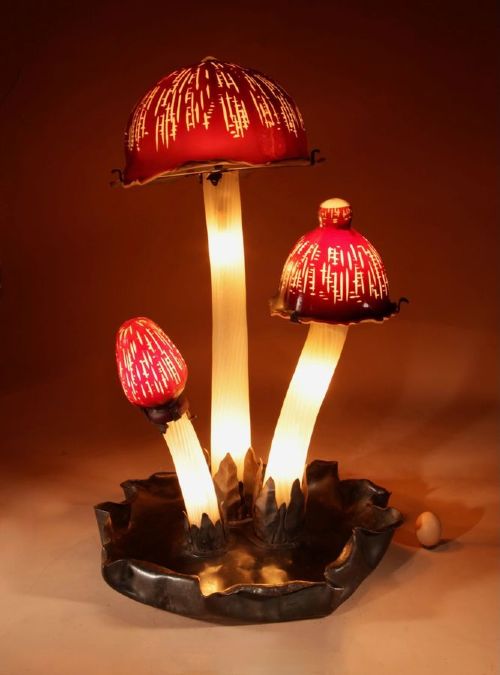
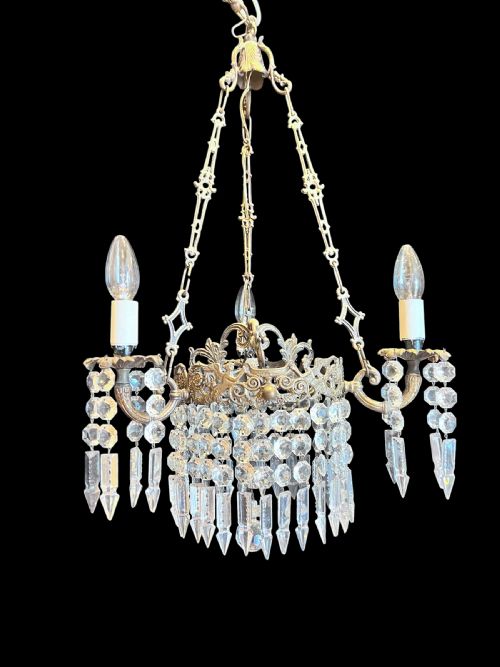
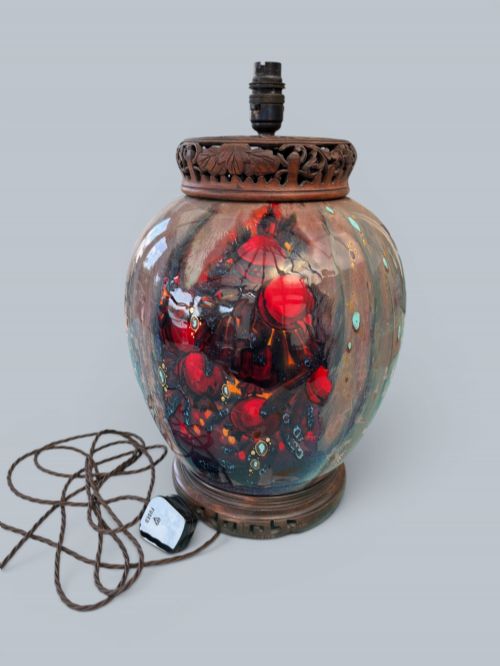
When you search for an art nouveau decorative light, you encounter a diverse range of domestic fittings spanning the late nineteenth century through to the interwar decades. The selection encompasses table lamps, chandeliers, floor lamps, wall sconces, and ceiling lights, reflecting the flowing aesthetic of the era.
Most examples you meet on this page lean heavily into brass, bronze, and glass construction, often incorporating floral or figural elements. Alongside dedicated lighting, you find related decorative forms such as stained glass windows and earthenware bowls adapted or styled for the period.
How they were made
Maker workshops utilised cast brass and bronze for structural frames and figural bases, often patinated or combined with copper. These metal components provided the durable support necessary for elaborate standard lamps and multi-light chandeliers.
Glass played a central role, featuring in iridescent shades, stained glass panels, and cabochons. Artisans shaped glass and earthenware to echo natural forms like grapes and flowers, pairing them with fabric or painted details.
Listings feature items from the Victorian, Edwardian, and 1930 periods, executed in brass, bronze, glass, and wood.
What varies in quality
The distinction between standard commercial production and finer work lies in the crispness of the metal casting and the artistry of the glass components. Pieces bearing recognizable foundry or artist signatures typically display superior detailing in figural elements and foliage.
Material integration also dictates quality, where heavier bronze mounts, genuine leaded stained glass, and hand-finished enamel or pottery elements elevate a piece. The harmony between the decorative base and the associated shade or vessel determines the overall coherence of the design.
Georges Leleu·WAS Benson·Abel Landry·Liberty·Wedgwood·Henri Honore Ple
The Art Nouveau Decorative Light Glossary
- Cabochon
- A polished, convex gem or piece of glass without facets. These are frequently set into metal lamp bases to catch the light.
- Spelter
- A zinc alloy used as a cheaper alternative to bronze for casting decorative figures and lamp mounts. It is often given a bronze-like surface finish.
- Faience
- Tin-glazed earthenware popular in decorative pottery and lamp bases. It provides a smooth, white surface for hand-painted floral motifs.
- Pewter
- A malleable tin alloy utilised for candlesticks and small holders. It yields a softer lustre than brass or bronze.
- Arts and Crafts
- A design movement running parallel to art nouveau that champions traditional craftsmanship and simple, honest construction. Its aesthetic often overlaps in early twentieth-century metalwork.
Art Nouveau Decorative Light: Frequently Asked Questions
How do I identify genuine period lighting?
Examine the materials and construction methods used in the frame and wiring channels. Period pieces utilise heavy brass, bronze, or cast spelter alongside period-appropriate glass and fabric.
Look for maker signatures or foundry marks stamped into the metalwork. Consistency in the ageing of the patination offers further reassurance of authenticity.
Can these old lamps take modern bulbs?
Most antique fittings can accommodate modern bulbs with appropriate rewiring or adapters. A professional electrician should check the internal wiring before regular use.
Preserving the original bulb holders is often possible while updating the internal flex for safety. LED bulbs that mimic period Edison filaments work well without generating excess heat.
How were these light fixtures used originally?
Table lamps and candlesticks provided focused task lighting on desks and sideboards in Edwardian and Victorian interiors. Standard lamps and wall sconces offered ambient illumination in reception rooms.
Larger chandeliers and ceiling fittings anchored the centre of principal rooms. Stained glass windows and decorative bowls served architectural and ornamental purposes alongside functional lighting.
What is the difference between art nouveau and arts and crafts?
Art nouveau focuses on organic lines, asymmetrical curves, and floral or figural motifs derived from nature. Its forms feel fluid and dynamic.
Arts and crafts prioritises visible handcraftsmanship, utility, and simpler geometric or medieval-inspired designs. Despite their distinct philosophies, many lighting pieces blend elements of both movements.
How should I clean antique brass and bronze?
Dust metal surfaces gently with a soft, dry cloth to remove everyday particles. Avoid harsh chemical polishes that strip away the aged patination collectors value.
Stained glass and glass shades require careful wiping with a damp cloth and mild soap. Keep moisture away from any exposed wiring or historic fabric components.