


Art Nouveau Copper
Art nouveau copper pieces bring the flowing, organic lines and tactile warmth of the turn of the twentieth century directly into modern rooms.
Art Nouveau Copper
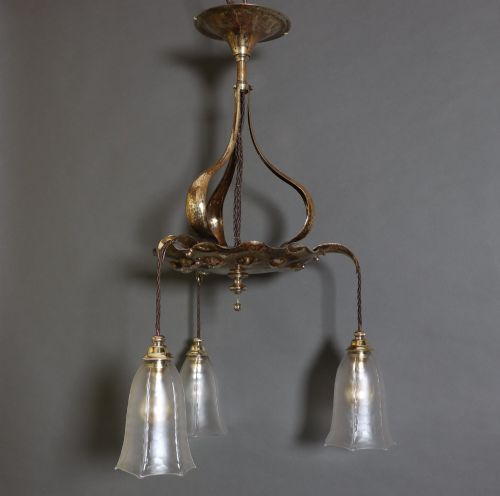
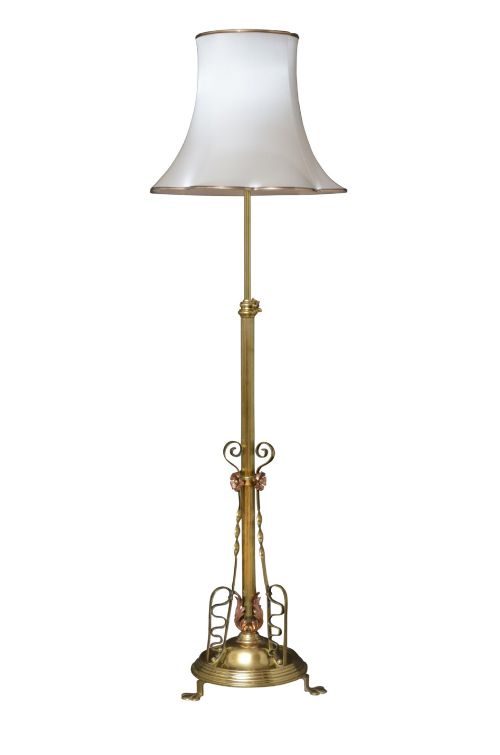
Art nouveau copper objects encompass functional hearth equipment, lighting, and decorative vessels produced across the late nineteenth and early twentieth centuries. Pieces frequently bridge the Art Nouveau, Arts and Crafts, and Secessionist movements, reflecting a widespread enthusiasm for metalwork.
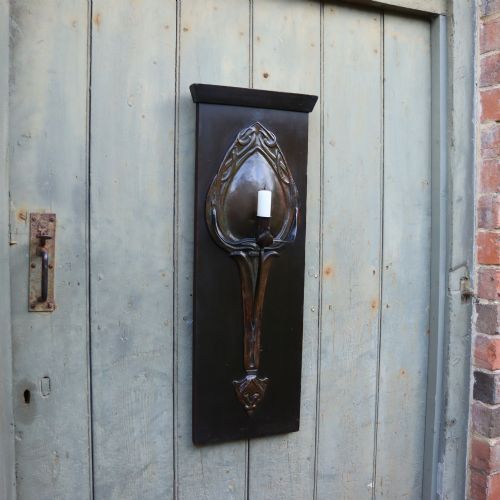
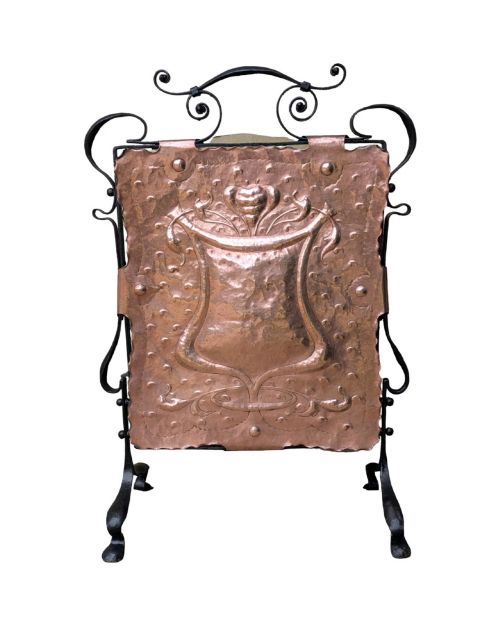
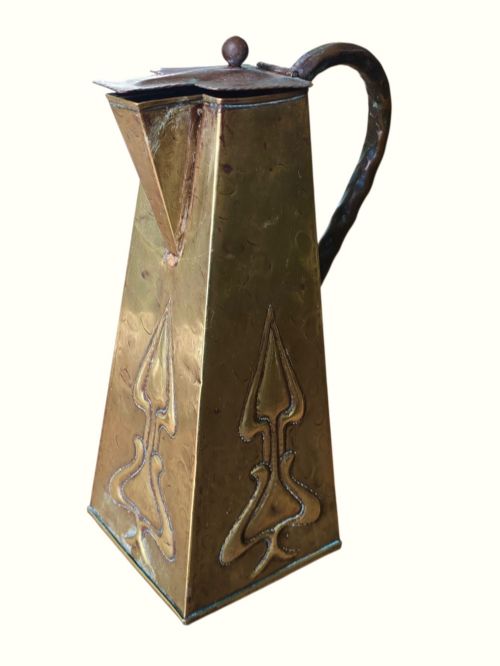
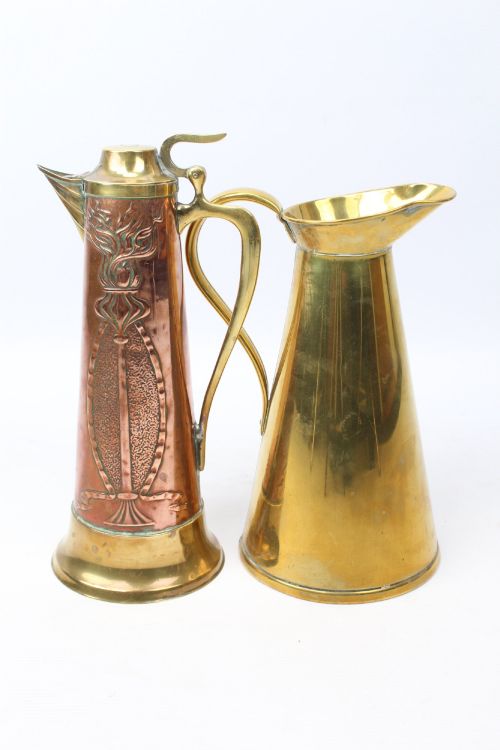
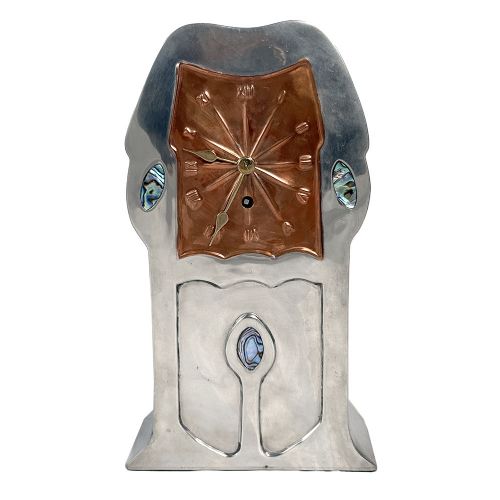
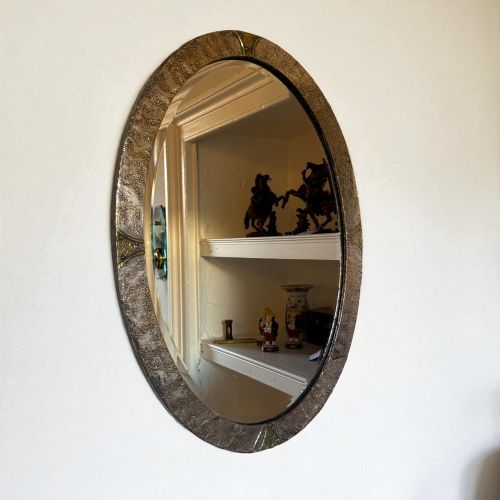
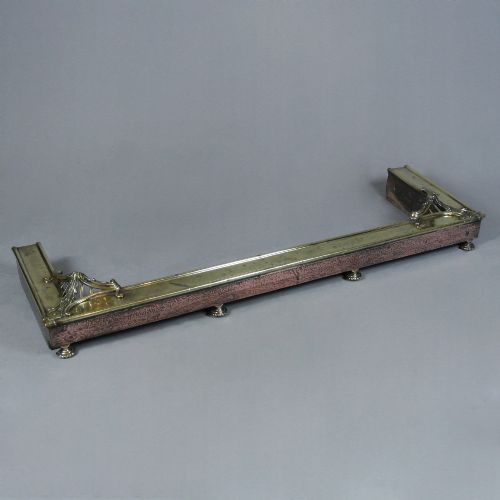
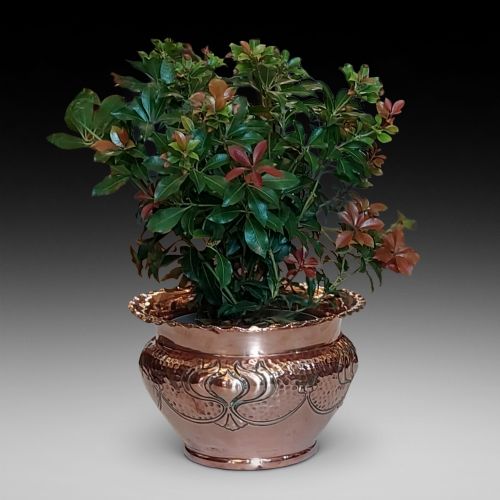
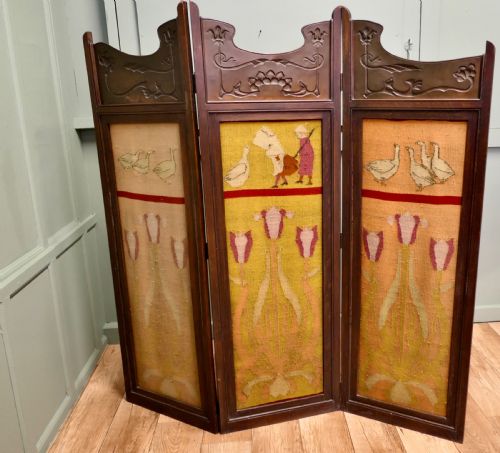
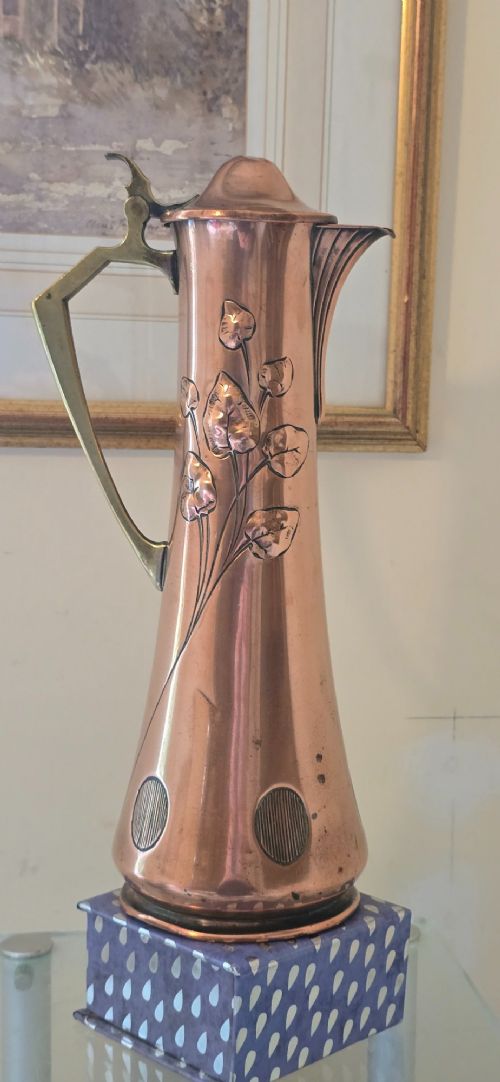
The objects most commonly encountered include wall mirrors, fire screens, jugs, and planters, often combining copper with brass, wood, or glass. Domestic items intended for everyday utility dominate the selection, alongside decorative tableware and lighting.
Origins span British workshops, continental European makers, and Japanese export metalwork, showing how international designers adopted fluid botanical motifs. These pieces date principally from the 1880s through the 1920s, capturing a distinct period of design reform.
Materials and Technique
Makers utilised sheet copper for its malleability, shaping bodies through hand-beating and raising over wooden stakes to create subtle surface undulations. This manual forming process left visible tool marks that distinguished individual items from industrial stampings.
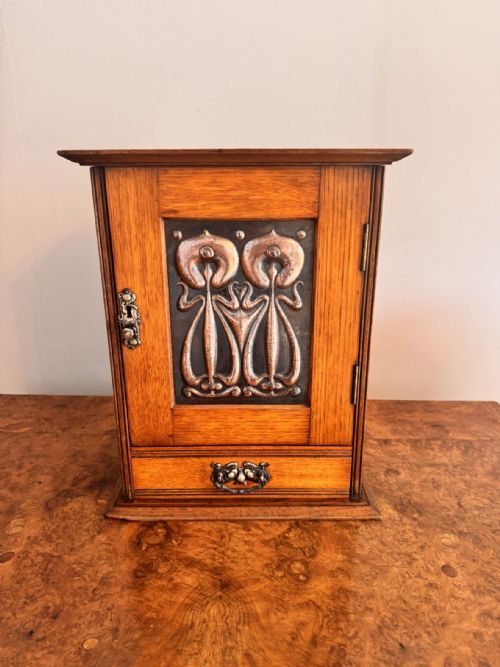
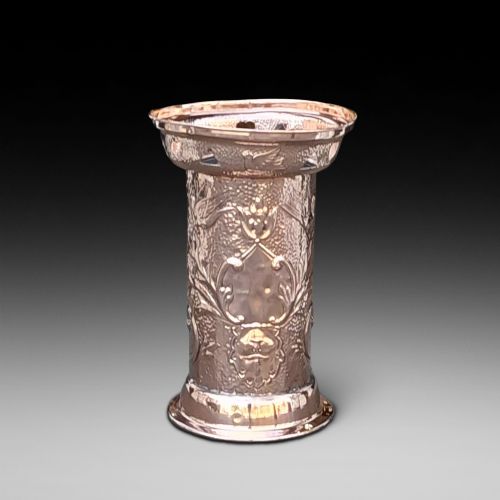
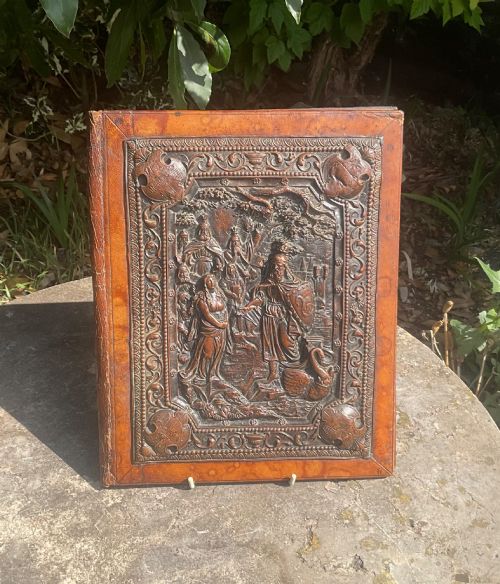
Repoussé and chasing techniques allowed artisans to push and punch floral motifs, stylized foliage, and geometric borders from the reverse and front of the metal. Workshops frequently combined copper with contrasting brass mounts, wrought iron frames, or oak panels.
Surface finishes ranged from polished metallic sheens to chemical patination and copper plating over pewter or base metals. Inclusions such as glass cabochons, abalone shell, or enamel added points of colour to the metallic ground.
Art Nouveau Copper Retail Price Guide 2026
Typical asking prices for art nouveau copper among the pieces listed under this phrase on Sellingantiques today, from the lower quarter to the upper quarter. They describe what is for sale here now, not the wider market.
Listings feature oak, mahogany, wrought iron, and glass alongside beaten copper.
The Measure of Craft
Quality rests upon the crispness of the hand-beating and the depth of the repoussé relief work. Skilled artisans achieved harmonious proportions where the weight of the metal suited the scale of the object.
Design attribution to known studios or prominent designers distinguishes standard production pieces from exceptional works of metal art. The integration of secondary materials, such as bevelled mirror glass or selected hardwoods, indicates the maker's commitment to finish.
Archibald Knox for Liberty and Co·Joseph Sankey·Gustave Serrurier Bovy·Wagner Lohengrin·Birmingham Guild of Handicraft
The Art Nouveau Copper Glossary
- Repoussé
- A metalworking technique where the artisan hammers a design from the reverse side to create a raised relief on the front. This method defines the sculptural surface decoration on many period vessels and mirrors.
- Secessionist
- A style associated with various continental European art movements that broke away from traditional academic art training. It emphasises geometric simplicity combined with organic motifs.
- Pricket candlestick
- A candle holder featuring an upward-pointing metal spike that secures the base of the candle rather than a socket. These often appear in heavy copper and brass configurations.
- Tudric
- A trade name used by Liberty and Co for a range of pewter and mixed metal homewares. Pieces often incorporate copper elements alongside abalone or enamel.
- Cabochon
- A gemstone or piece of glass polished to a convex, rounded form rather than faceted. They appear inset into metal frames and vases as decorative accents.
Art Nouveau Copper: Frequently Asked Questions
How do I clean old copper?
Historic metalwork benefits from gentle dusting and minimal intervention to preserve the natural oxidation built up over decades. Aggressive chemical polishes strip away the aged patina that collectors value.
Applying a microcrystalline wax can protect the surface from further atmospheric tarnish without altering the underlying tone of the metal.
Were these items handmade?
Many pieces combine machine-rolled sheet copper with hand-beating and chased detailing executed by skilled artisans in workshops. The presence of varied hammer marks and individual variations distinguishes workshop production from mass-market output.
Larger items often relied on structural iron or wooden frames to support the beaten copper elements.
How do I identify a period piece?
Authentic items display construction methods appropriate to the turn of the twentieth century, including hand-cut joinery, old fixing screws, and traditional patination. Stylistic details follow the asymmetrical, botanical vocabulary characteristic of the Art Nouveau movement.
Signatures, maker's marks, or registry numbers stamped into the metal often point to specific guilds or continental foundries.
Where should I display these?
Copper vessels and mirrors suit both period interiors and contemporary spaces seeking warmth and textural contrast against neutral walls. Fire screens and coal scuttles function naturally within hearth settings, echoing their original domestic purpose.
Lighting fixtures require professional checking to ensure modern electrical compliance before installation in a home.