

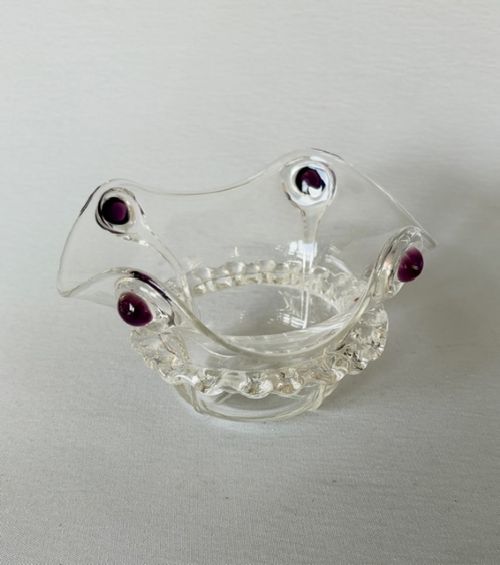
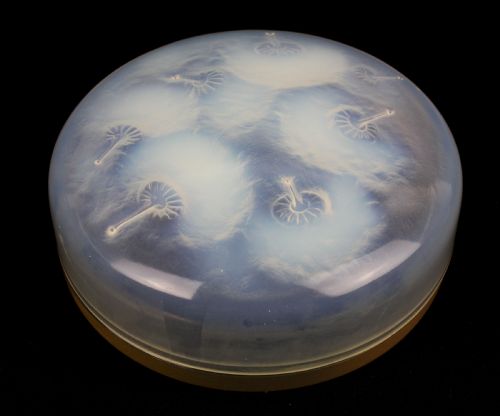
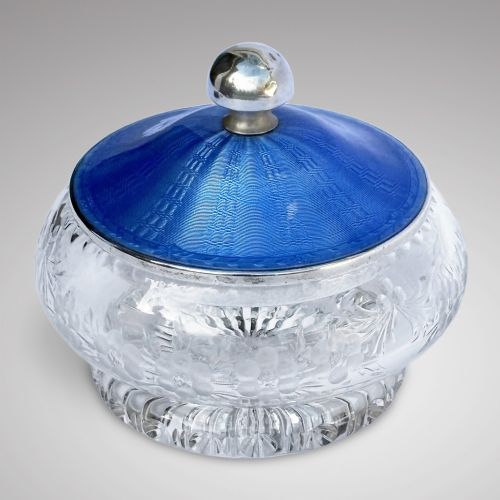
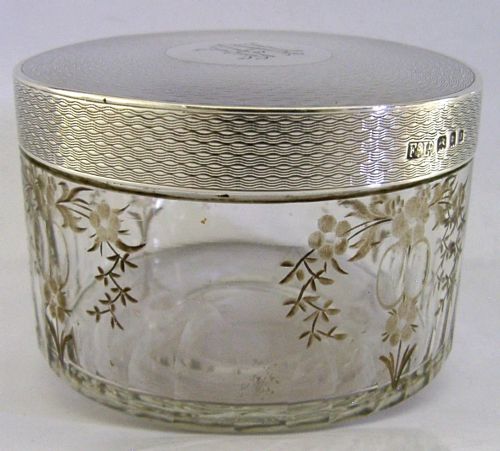



Art Glass Trinket Bowl
These art glass trinket bowl pieces bring tactile colour and period weight to a dressing table.
Art Glass Trinket Bowl
An art glass trinket bowl covers small lidded vanity pots, powder boxes and decorative dishes designed for dressing tables from the Edwardian period through to the nineteen thirties. These vessels hold small personal items, utilising fitted lids in contrasting materials to protect their contents.
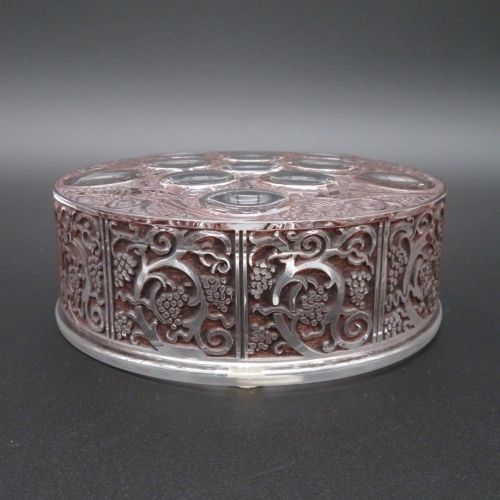
You will most frequently encounter Art Deco and Art Nouveau designs on this page, spanning the decades from nineteen hundred to nineteen thirty. The forms range from circular crystal powder boxes to shallow opalescent dishes and lidded jars.
Makers and workshops from Britain and France dominate the selection, bringing distinctive regional aesthetic choices to moulded glass and crystal bodies. Each piece reflects the dressing table culture of its decade through specific decorative motifs on the glass and the lid.
Materials and construction
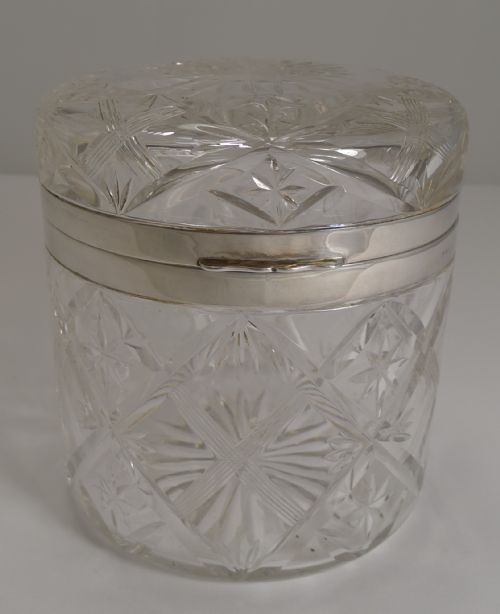
The glass bodies utilise techniques such as moulding, cutting, and frosting to create tactile surfaces and optical depth. Clear crystal, opalescent glass, and standard glass provide the foundation for each vessel.
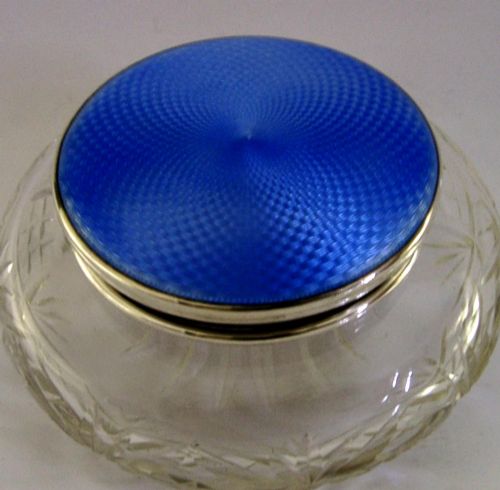
Lids combine sterling silver mounts, blue enamel, and tortoiseshell inserts fitted directly to the glass rims. Engine-turned patterns and peacock motifs decorate the metal components, demonstrating period metalworking skills.
Art Glass Trinket Bowl Retail Price Guide 2026
Typical asking prices for art glass trinket bowl among the pieces listed under this phrase on Sellingantiques today, from the lower quarter to the upper quarter. They describe what is for sale here now, not the wider market.
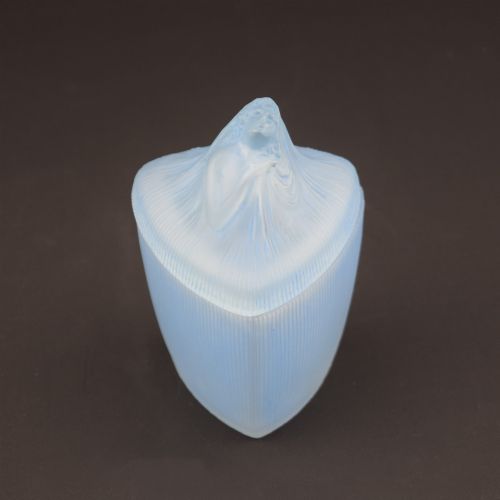
Some powder boxes feature moulded female heads staring up from the base, watching your face as you apply powder.
Judging quality in glassware
Quality rests in the crispness of the moulding and the depth of the cut crystal facets. Sharp relief work on figural or patterned lids distinguishes finer studio production from standard commercial output.
The integration between the glass body and the fitted silver or tortoiseshell lid shows the maker's precision. Heavier metal gauge and clean hallmarks indicate superior manufacturing standards.
Stuart and Sons·Rene Lalique·Sabino
The Art Glass Trinket Bowl Glossary
- Opalescent glass
- Glass that displays a milky translucency with milky-blue or amber highlights when lit from different angles. This effect was particularly popular in French decorative arts during the interwar years.
- Engine-turned
- A mechanical decoration technique that cuts intricate geometric patterns into metal surfaces using a lathe. It provides texture and catches the light on silver lids.
- Powder box
- A vanity vessel specifically intended to hold cosmetic face powder, usually featuring a wide circular opening and a removable lid. They often include glass or crystal bases.
- Cut crystal
- High-clarity glass that has been cut and polished with geometric facets to maximise light refraction. The resulting sharp edges create distinctive sparkle.
- Tortoiseshell
- The mottled brown and amber keratin shell of certain turtle species used historically for decorative luxury items. It appears inset into silver lids on period vanity jars.
Art Glass Trinket Bowl: Frequently Asked Questions
What were these bowls used for?
These vessels served primarily on dressing tables to hold loose powder, hairpins, rings, and small trinkets. Their fitted lids kept daily accessories organised and protected from dust.
They functioned as both practical storage items and decorative objects reflecting personal vanity customs of the early twentieth century.
How do I date an art glass trinket bowl?
Dating relies on stylistic markers such as Edwardian curves, Art Nouveau plant motifs, or geometric Art Deco lines. Hallmarks on silver mounts provide exact year letters.
Material combinations like tortoiseshell with sterling silver also point to specific manufacturing decades between nineteen hundred and nineteen thirty.
Are the lids original to the glass bases?
Makers designed the glass and metal components as unified dressing table pieces from the outset. Silver mounts fit the specific contours of the glass rims.
Matching hallmarks on the silver and the overall fit help confirm the original relationship between lid and bowl.
How should I clean and care for them?
Wash the glass portions gently in warm soapy water using a soft cloth, avoiding harsh abrasives that scratch the surface. Keep silver and tortoiseshell dry.
Polishing metal components requires care to avoid transferring cleaning agents onto fragile glass or enamel details.