



Art Glass Dish
When you search for an art glass dish, you enter a world of decorative bowls and centrepieces shaped by master designers.
Art Glass Dish
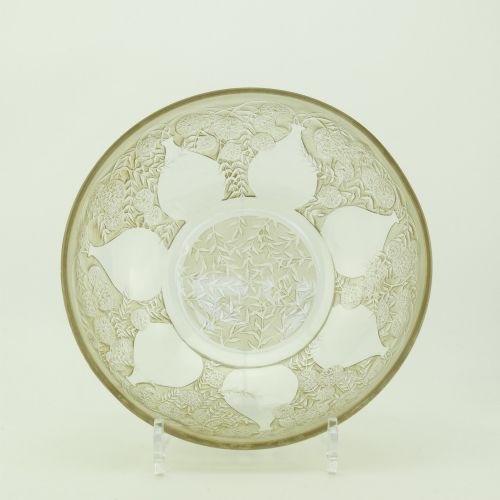
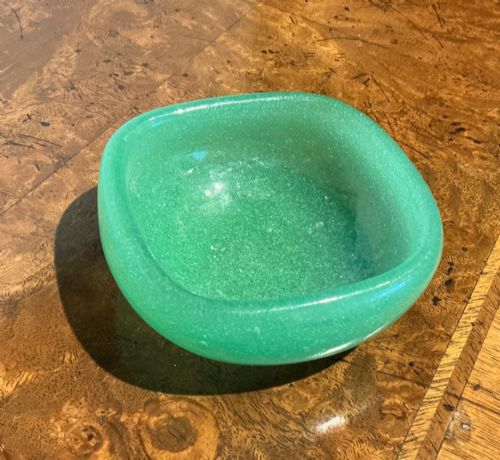
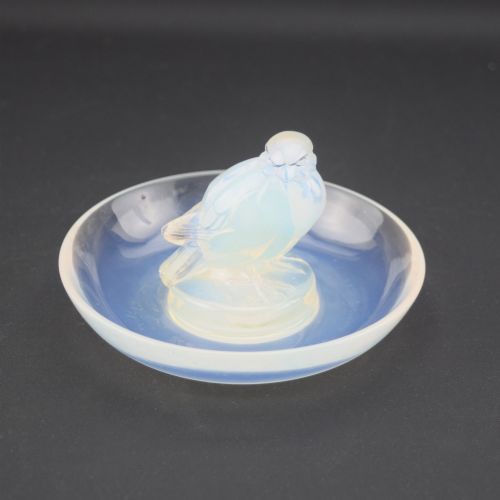
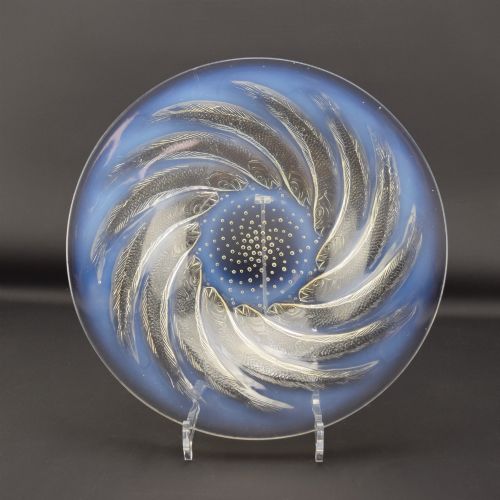
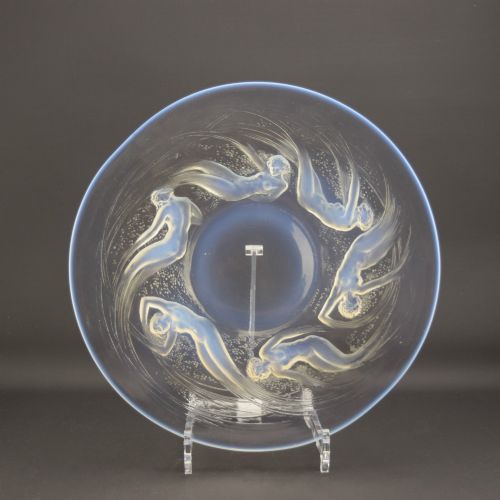
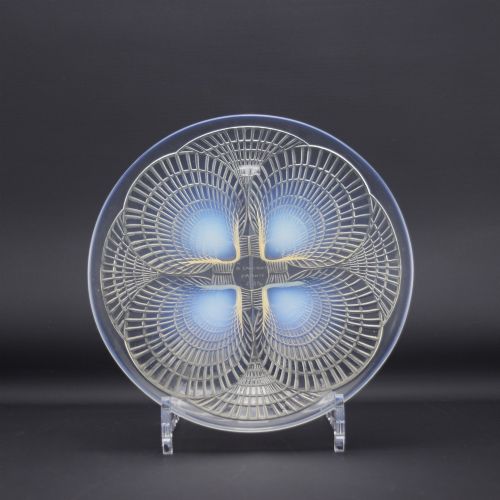
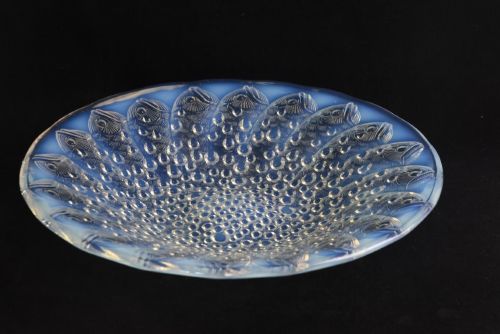
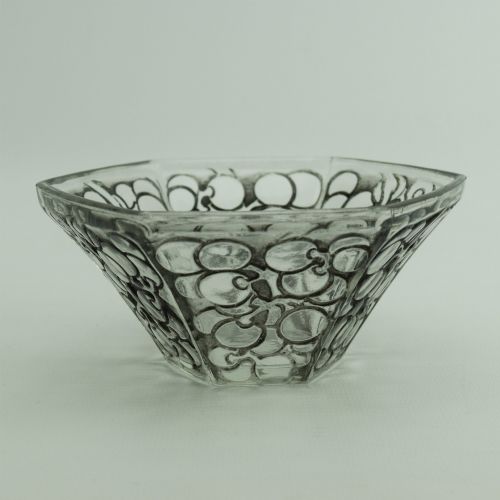
An art glass dish encompasses decorative bowls, centrepieces, plates, and vanity jars produced from the nineteenth century through the mid-twentieth century. Buyers frequently encounter opalescent glass vessels from the Art Deco period, alongside earlier Victorian and Edwardian examples.
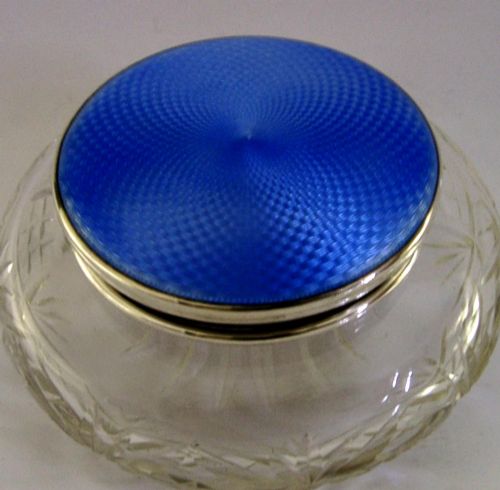
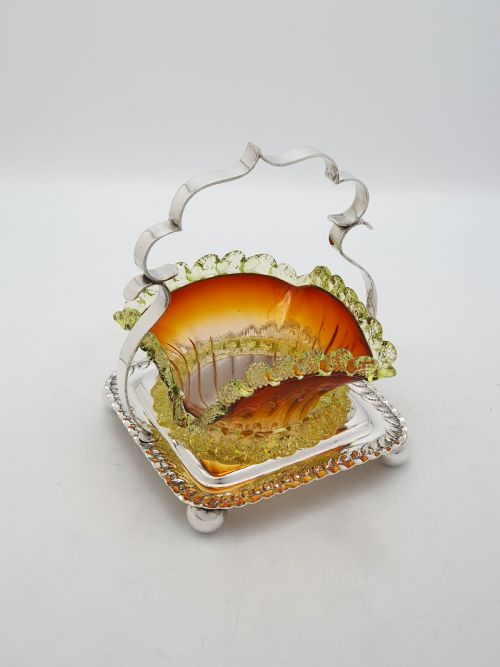
The selection ranges from French opalescent plates and chargers to silver-plated bonbon dishes fitted with amber or green glass liners. Forms span simple shallow bowls to elaborate footed fruit bowls and lidded dressing table jars.
Origins trace across Britain, France, Belgium, and Italy, reflecting distinct regional tastes from the Belle Epoque to Art Deco movements.
How they were made
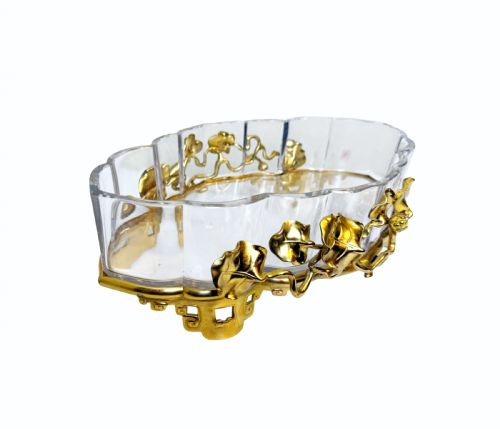
Makers utilised techniques such as mould-pressing for opalescent glass bowls, acid-etching, and hand-blowing to shape clear, frosted, and coloured crystal. Many pieces incorporate applied decoration, including enamel painting, gilt bronze frames, and silver-plated or sterling silver mounts.
Specialised glassworks employed complex layering methods, fusing coloured glass over crystal or incorporating latticinio canes and millefiori patterns into the molten material.
Listings feature opalescent glass, sterling silver mounts, and crystal across Art Deco, Art Nouveau, and Victorian periods.
What varies in quality
Quality rests upon the crispness of the moulded or cut detail, the depth of opalescence or colour saturation, and the integration of metal mounts. Finer pieces demonstrate precision in silverwork and enamel decoration, matching the artistic ambition of the glasshouse.
Rene Lalique·Venini·Daum France·WMF·Val St Lambert·Baccarat·Mappin and Webb
The Art Glass Dish Glossary
- Opalescent glass
- Glass containing agents that create a milky, translucent appearance with characteristic blue or orange fire when lit. This optical effect defines many twentieth-century decorative bowls.
- Latticinio
- A decorative glass technique featuring fine white or coloured threads embedded in clear glass, often arranged in reticello or spiral patterns. Venetian glassmakers revived this method extensively.
- Pâte de verre
- A form of kiln-cast glass created by packing finely crushed glass into a mould with a binder and firing until fused. The resulting objects display a dense, sugar-like texture and rich colour.
- Vaseline glass
- Glass containing uranium dioxide which glows a vibrant yellow-green under ultraviolet light. It appears frequently in Victorian and Art Nouveau tablewares.
- Millefiori
- A glasswork technique involving multicoloured rods fused together and sliced to reveal mosaic patterns. These cross-sections decorate bowls and small vessels.
Art Glass Dish: Frequently Asked Questions
How do I identify opalescent glass?
Opalescent glass shows a milky translucence that catches light with distinct blue or amber tones, particularly on raised moulded surfaces. This effect results from chemical additives reacting during the cooling process.
Examination under natural light reveals the characteristic depth and shimmer that distinguishes these decorative plates and bowls from standard pressed glassware.
What is vaseline glass?
Vaseline glass is a transparent or translucent yellow-green glass containing trace amounts of uranium. It gained popularity during the Victorian and Art Nouveau periods for decorative tablewares.
Under ultraviolet light, the material emits a bright green fluorescence, confirming its composition and period authenticity.
How were silver mounts attached to glass dishes?
Silversmiths constructed custom-fitted frames, rims, and handles using sterling silver or silver plate to secure glass liners and bowls. Makers often utilised cork or plaster gaskets to cushion the glass within the metal collar.
These mounts frequently bear hallmarks that help date the complete object independently of the glass vessel.