


Art Display Pedestal
An art display pedestal elevates sculpture or ornaments, bringing proportion and focus to a room through varied period forms.
Art Display Pedestal
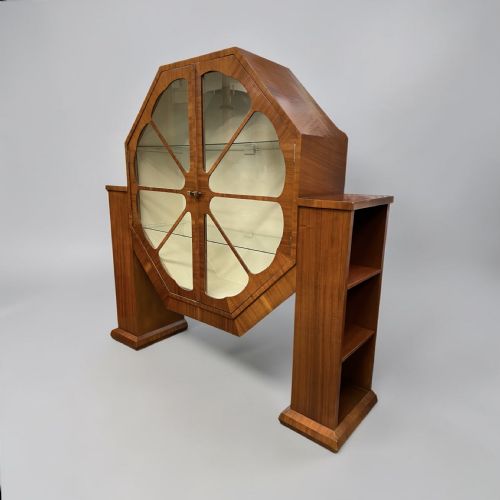
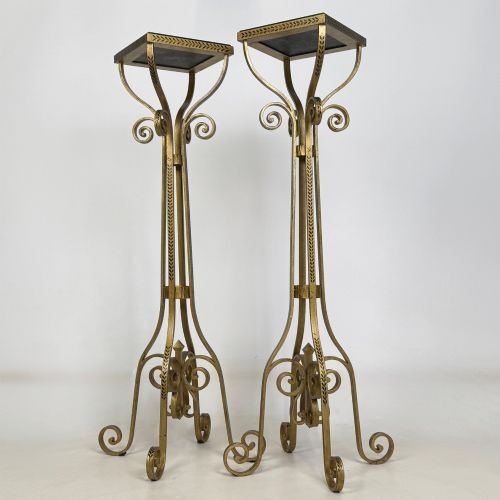
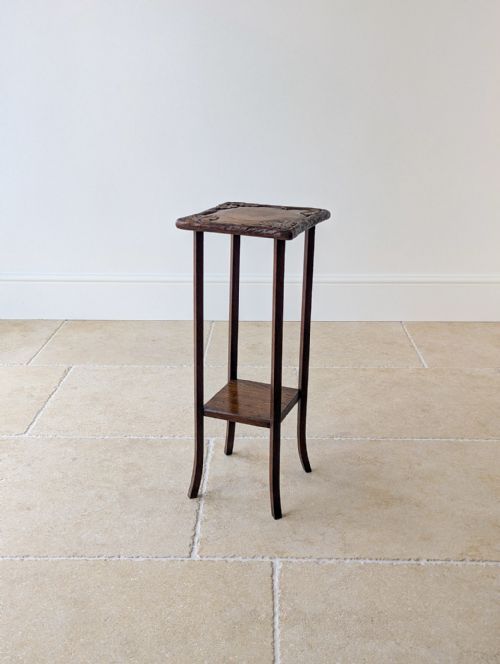
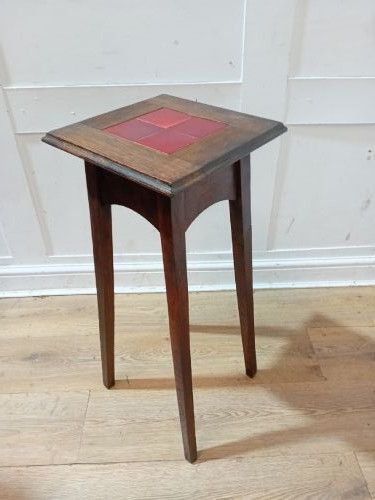
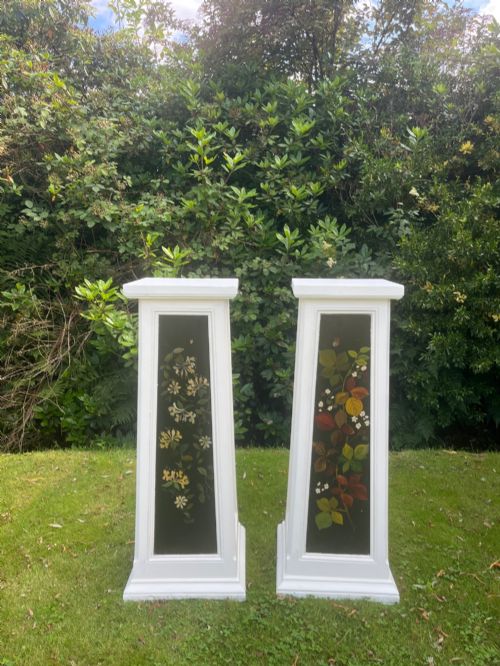
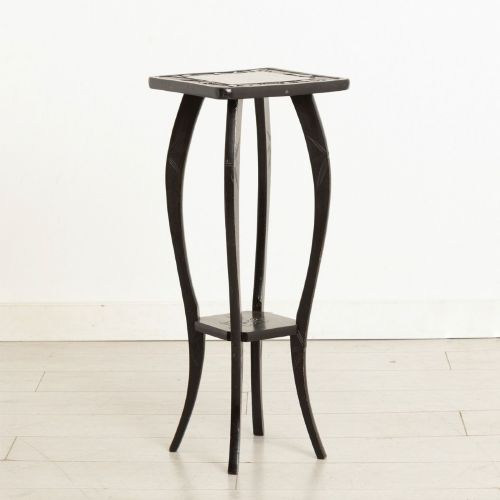
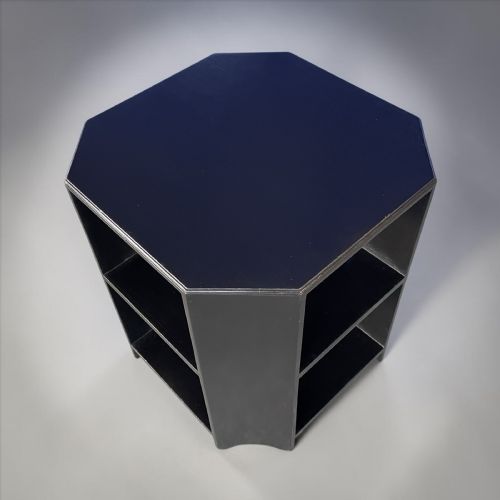
An art display pedestal serves to elevate decorative objects, sculptures, or plants within an interior space. These pieces range from tall columns and torchiere stands to lower plant stands and display cabinets.
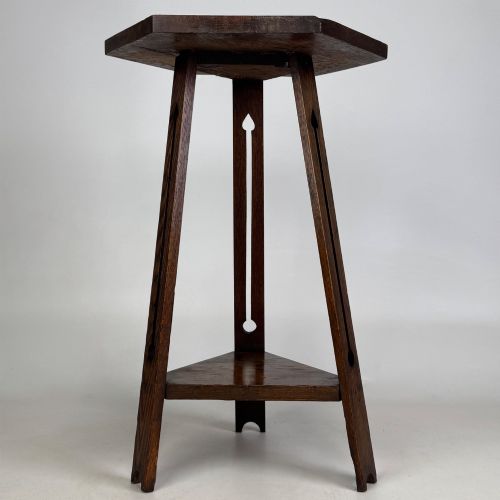
Buyers searching for an art display pedestal encounter items spanning from the eighteenth century through to the Art Deco period of the nineteen-thirties. Forms include cylindrical sculpture stands, tiered plant stands, and occasional tables utilised for presentation.
The selection includes varied designs associated with Arts and Crafts, Art Nouveau, and Aesthetic Movement styles. Materials encompass native and exotic timbers alongside marble, brass, and glass.
Materials and construction
Cabinetmakers and artisans utilised solid and veneered timbers such as walnut, mahogany, oak, beech, and ebonised wood. Timber structures often feature carved details, inlaid elements, or lacquered finishes.
Combinations of brass, marble, glass, and faience pottery appear across nineteenth and twentieth-century examples. Stands and pedestals frequently employ robust joinery to support heavy sculptures, jardinières, or display cabinets.
A Brazilian butterfly table from nineteen-hundred brings lepidopteran wings directly into the nineteenth-century parlour.
Assessing quality and proportion
Quality rests in the choice of materials, such as figured walnut, macassar ebony, or fine marble tops, paired with precise hand-carved execution. Structural integrity and stability are paramount for items designed to bear weight.
The refinement of period stylistic details, from Art Deco geometric lines to Arts and Crafts joinery or Aesthetic Movement lacquer, distinguishes standard utility items from superior examples.
Liberty of London·Mougin·Woodlesford Art Pottery
The Art Display Pedestal Glossary
- Torchiere
- A tall standing pedestal or lamp standard designed to hold a light source or decorative object at height.
- Jardiniere
- An ornamental pot or stand intended for holding plants or flowers.
- Ebonised
- Wood finished with a dark stain or polish to imitate ebony.
- Faience
- Tin-glazed earthenware, often colourful and decorative.
- Macassar ebony
- A dense tropical timber valued for its distinctive dark brown and golden figuration.
Art Display Pedestal: Frequently Asked Questions
What is an art display pedestal used for?
An art display pedestal elevates sculptures, vases, or plants to a comfortable viewing height within a room.
They serve both practical and decorative purposes, drawing the eye to specific objects and integrating them into the interior layout.
How do I choose the right height?
Consider the scale of the object you intend to place on top and the proportions of the surrounding furniture.
Tall columns suit freestanding sculptures, while lower plant stands or tables work well beside seating.
What periods do these pieces come from?
The available pieces span from the eighteenth century through the Victorian era and Edwardian period.
Significant representation also comes from early twentieth-century movements including Arts and Crafts, Art Nouveau, and Art Deco.
How should I care for wooden and marble surfaces?
Wooden surfaces benefit from appropriate wax polishing to maintain the finish of walnut, mahogany, or ebonised timber.
Marble and glass tops require gentle cleaning with non-abrasive cloths to protect against scratching.