





Art Deco Wooden Clock
An art deco wooden clock brings geometric rhythm and rich timber grain to a room, driven by mechanical or early electrical movements from the interwar decades.
Art Deco Wooden Clock
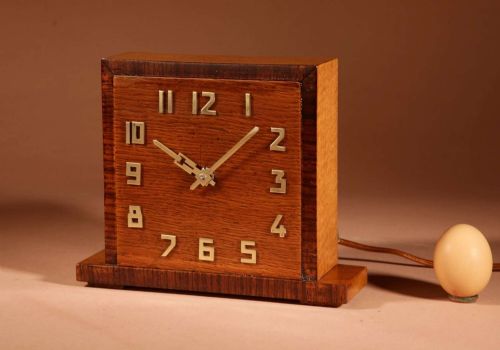
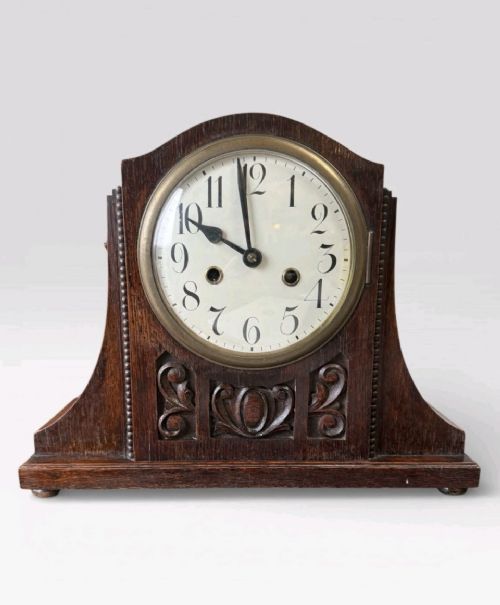
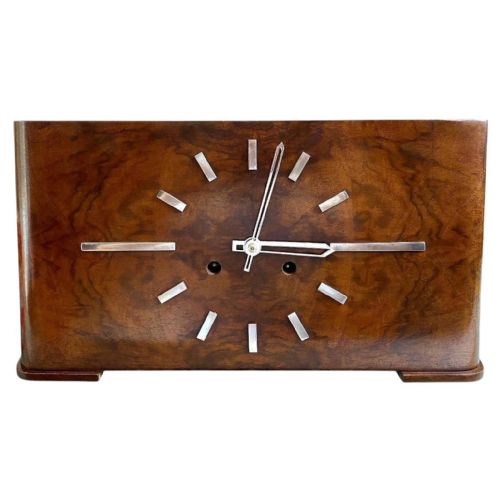
An art deco wooden clock is typically encountered as a mantel or wall clock produced during the periods spanning the nineteen-twenties through to the nineteen-forties. These timepieces range from compact geometric desk designs to large chiming carillon wall clocks intended for principal rooms.
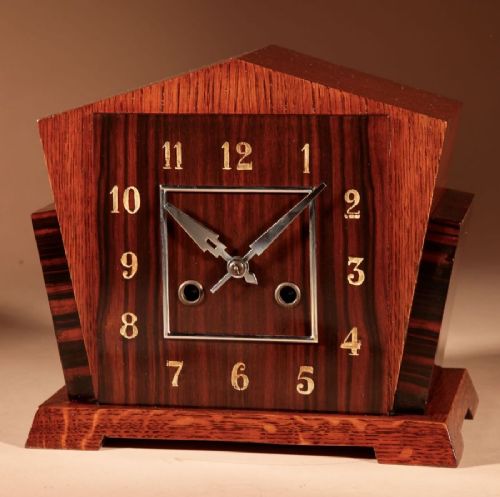
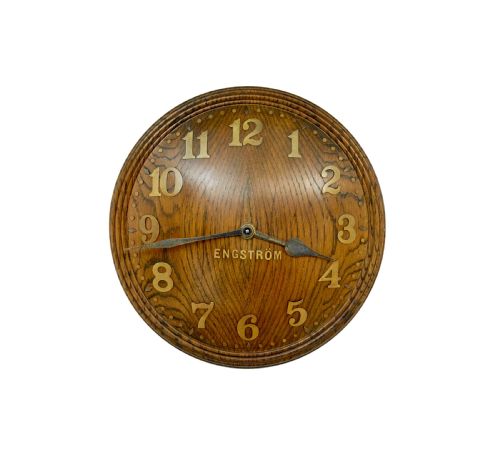
The selection on this page centres heavily on oak and walnut cases, frequently enriched with contrasting veneers or exotic timbers. Continental and English workshops dominate the origins, alongside specific regional interpretations such as the Amsterdam School style.
What varies in quality
Quality in an art deco wooden clock rests on the ambition of the cabinetwork and the sophistication of the movement inside. Superior examples display carefully matched veneer grains, complex geometric massing, and signed movements from known makers rather than plain mass-produced carcasses.
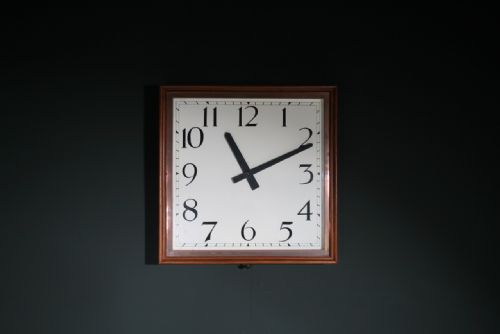
The integration of materials also defines the tier of the piece, where mixed metals like copper and chrome sit flush with polished timbers. Heavier chime mechanisms and specialised electric movements elevate the standing of a clock above standard eight-day timepieces.
Movements span traditional mechanical eight-day mechanisms as well as early electrical and battery-driven systems.
Zenith·Elliott of London·Junghans·Pfeilkreuz Junghans·Bravingtons Ltd of London
The Art Deco Wooden Clock Glossary
- Amsterdam School
- A style of architecture and design originating in the Netherlands, known for expressive brickwork, rounded organic forms, and rich timber detailing. It heavily influenced regional variants of mantel clocks.
- Bulle clock
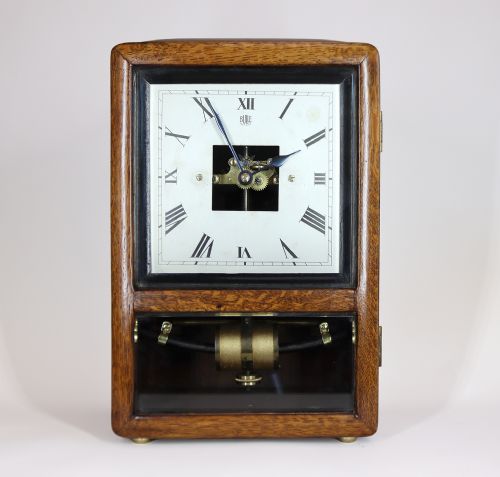
- An early electric clock utilising an electromagnetic pendulum swing patented by Marcel Bulle. These movements dispense with traditional mainsprings.
- Carillon
- A set of tuned bells played by a chiming clock mechanism to render musical quarters and hours. They appear frequently in larger French and English wall clocks.
- Macassar ebony
- A dense tropical hardwood featuring distinctive dark brown and golden stripes. It serves as a striking contrast veneer on high-end modernist cases.
- Veneer
- A thin slice of decorative wood glued over a stable secondary timber base. Burr walnut and similar figured slices create complex patterns across flat dial surrounds.
Art Deco Wooden Clock: Frequently Asked Questions
How do electric movements differ in these clocks?
Early electric mechanisms rely on battery power and electromagnetic coils to keep the pendulum in motion without manual winding. They represent a fascinating technological bridge during the interwar period.
These systems require specific setup compared to standard weight-driven or spring-driven mechanical calibres found in traditional mantel clocks.
Where were most of these clocks made?
The pieces originate primarily from English, French, and German workshops active during the interwar decades. Each region brought distinct cabinetmaking traditions to the modernist aesthetic.
English examples often feature rich walnut cases, while continental makers frequently embraced the bolder geometric lines of the Amsterdam School or Bauhaus styles.
How should I care for a wooden case?
Maintain stable room humidity and temperature to prevent the timber veneers from drying out or lifting over time. Gentle dusting with a dry cloth preserves the polished finish.
Avoid placing the clock near direct heat sources or strong sunlight, which can fade exotic timbers like macassar ebony.
What is the difference between mantel and wall clocks?
Mantel clocks are designed with flat bases to stand securely on shelves, sideboards, or fireplace surrounds. Wall clocks incorporate hanging brackets or back apertures for vertical display.
Wall variants frequently house larger chiming carillon movements and pendulum drops within extended wooden cases.