




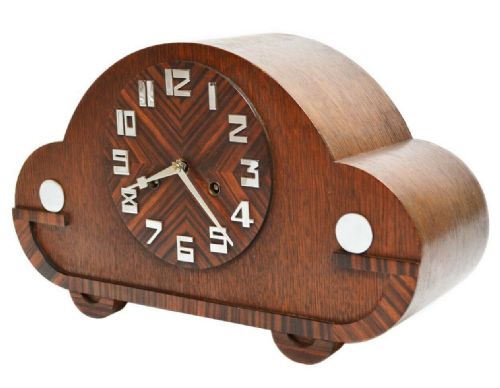


Art Deco Walnut Timepiece
An art deco walnut timepiece brings architectural warmth and striking geometry into a room.
Art Deco Walnut Timepiece
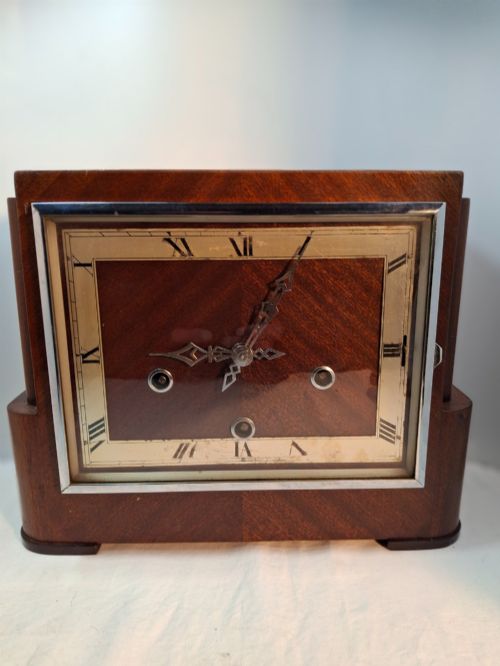
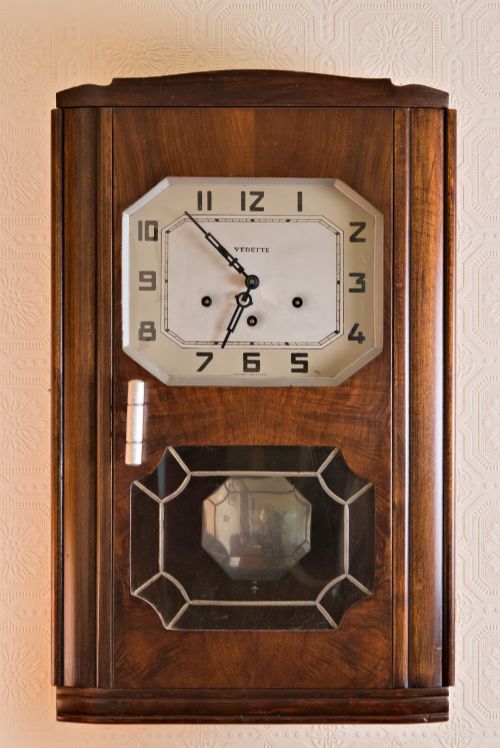
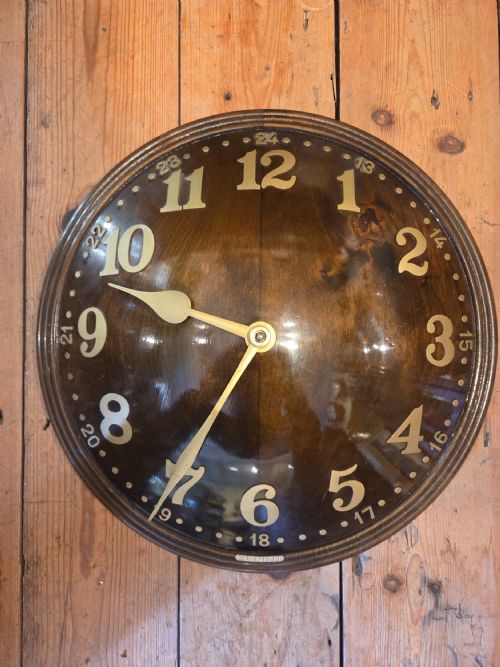
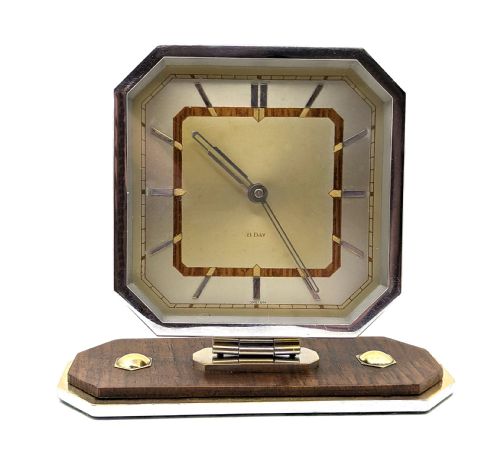
An art deco walnut timepiece combines rich wood grains with the clean, bold lines characteristic of the period. These items appear primarily as mantel clocks, wall clocks, and desk clocks spanning the 1920s to the 1950s.
Most examples encountered here date from around 1930, capturing the height of the style. They range from simple geometric shapes to chiming variants with metal and glass details.
Materials and construction
Makers utilised solid walnut and walnut veneer, frequently selecting burr walnut to create dramatic, swirling grain patterns across the wooden cases. Contrasting elements in chrome, brass, and glass accentuate the geometric designs.
Mechanical movements, including eight-day and Westminster-chime systems, power these pieces. Metal components and specialised dials, such as twenty-four-hour variants, complete the construction.
Art Deco Walnut Timepiece Retail Price Guide 2026
Typical asking prices for art deco walnut timepiece among the pieces listed under this phrase on Sellingantiques today, from the lower quarter to the upper quarter. They describe what is for sale here now, not the wider market.
Distinguishing quality
Quality rests in the selection of the wood veneer and the precision of the case geometry. Highly figured burr walnut and two-tone wooden construction elevate a piece above simpler designs.
The sophistication of the internal movement also dictates value. Clocks featuring named mechanical movements or complex chime mechanisms represent the finer tier of production.
Vedette·Zenith·Mauthe·Bravingtons Ltd of London·Elliott of London
The Art Deco Walnut Timepiece Glossary
- Burr walnut
- A deeply figured wood grain originating from the growth deformations of a walnut tree. It produces intricate, swirling patterns highly prized for decorative clock cases.
- Mantel clock
- A freestanding clock designed to sit on a fireplace mantel or shelf. These often feature architectural wooden cases and mechanical movements.
- Veneer
- A thin layer of superior wood applied over a base timber. Walnut veneer allowed makers to display rich grain patterns without using solid costly lumber.
- Westminster-chime
- A musical quarter-hour chime melody associated with traditional clock movements. It sounds on a set of gongs within the clock case.
Art Deco Walnut Timepiece: Frequently Asked Questions
How do I wind an eight day clock?
Insert the winding key into the designated holes on the dial face and turn gently until resistance is felt. Do not overwind, as this can strain the internal spring.
Most mechanical pieces require this action roughly once a week to maintain accurate timekeeping.
Where should I place a mantel clock?
Position your clock on a stable, level surface away from direct sunlight and damp environments. Mantel clocks sit well on sideboards, shelves, or traditional fireplace ledges.
Ensure the surface does not experience excessive vibrations, which can disrupt the mechanical movement.
How do I identify a 1930s clock?
Look for characteristic geometric shapes, stepped wooden cases, and the use of walnut veneers combined with chrome or brass accents. Dials often feature stylised numerals typical of the era.
Purchasing records and movement stamps frequently help confirm the decade of manufacture.