

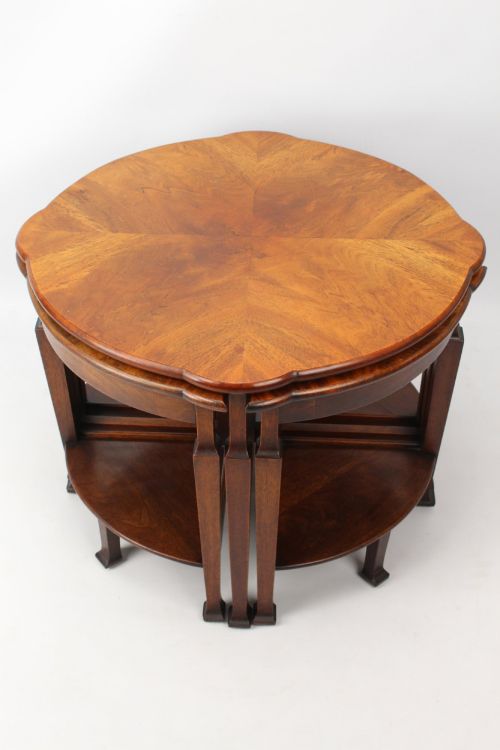
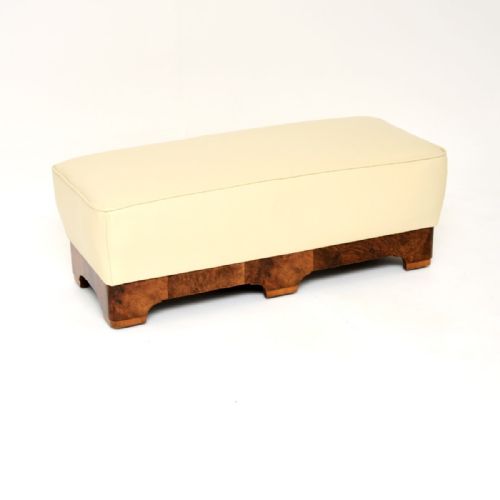

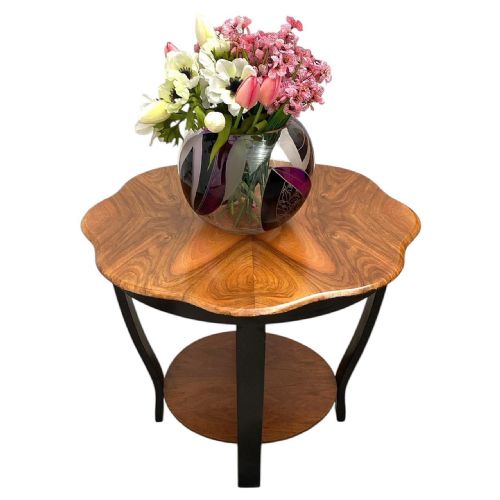
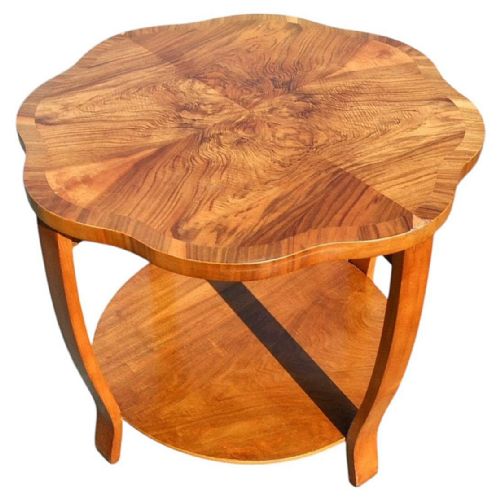



Art Deco Walnut Low Table
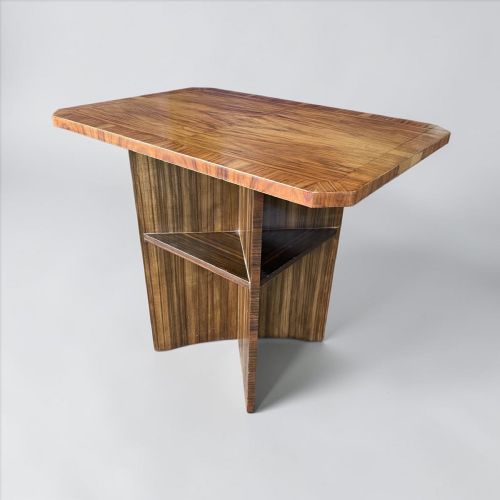
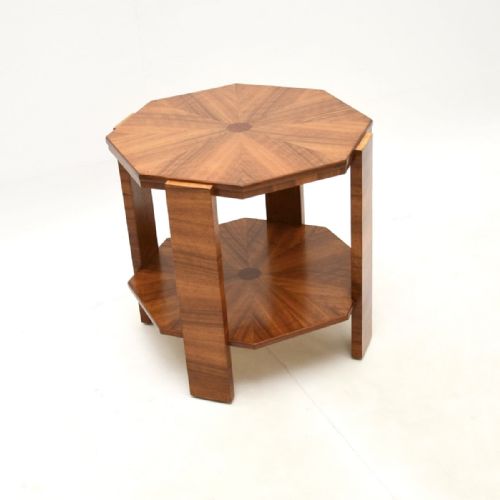
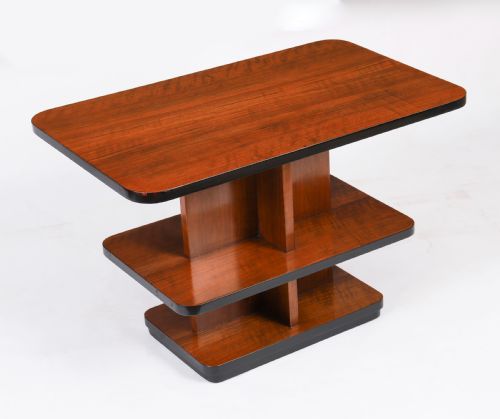
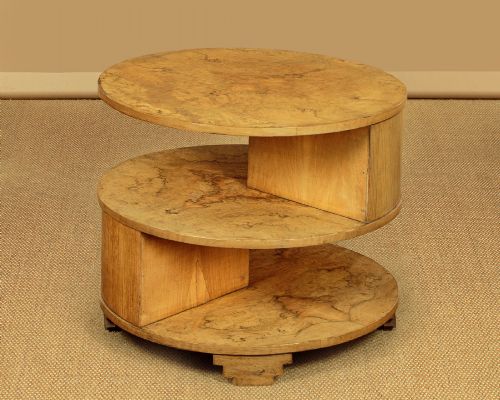
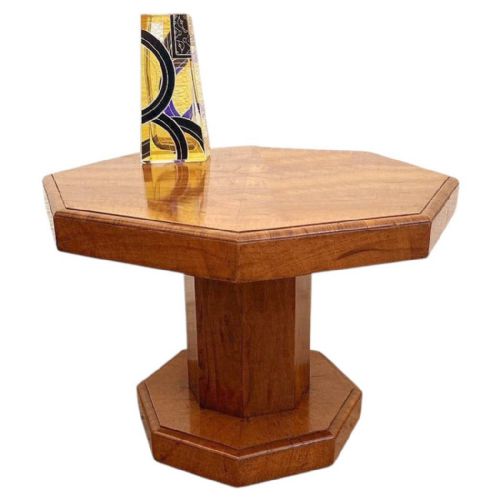
These art deco walnut low table pieces bring modernist lines and rich grain figures straight to the sitting room.
Art Deco Walnut Low Table
An art deco walnut low table brings together the geometric forms of the interwar decades and the warm tones of figured timber. The search phrase covers coffee tables, side tables, and tiered designs intended for low seating arrangements.
Most examples date from around nineteen thirty, alongside pieces from the nineteen twenties and nineteen forties. Alongside standard coffee tables, buyers encounter nests of tables, occasional tables, and occasional pedestal pieces.
While the core of the selection comprises dedicated coffee tables, related forms like low side tables and stools share the same vocabulary of materials. English workshops produced many of these pieces during the height of the movement.
Materials and construction
Cabinetmakers utilised walnut and burr walnut veneers over timber carcasses to display striking grain patterns across flat surfaces. Ebonised wood and glass often appear as contrasting elements within the design.
Veneering techniques allowed makers to create symmetrical grain matches on table tops, particularly utilising the swirling figures of burr walnut. Bleached walnut variations also occur, offering a lighter palette.
Art Deco Walnut Low Table Retail Price Guide 2026
Typical asking prices for art deco walnut low table among the pieces listed under this phrase on Sellingantiques today, from the lower quarter to the upper quarter. They describe what is for sale here now, not the wider market.
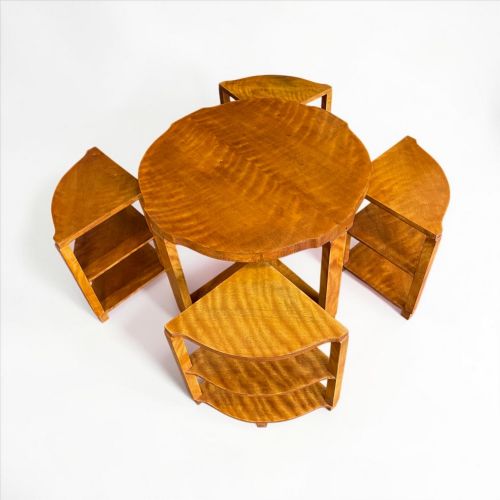
When a nest of tables multiplies into five separate surfaces, even the most compact room suddenly finds space for tea.
Assessing the pieces
Quality rests in the selection of the timber veneer and the precision of the geometric layout across the top. Figured walnut and burr walnut demand careful matching by the cabinetmaker to achieve a balanced visual weight.
Construction complexity also separates examples, such as two-tier structures, multi-table nests, and pedestal bases requiring advanced joinery. The crispness of the art deco lines dictates the overall success of the piece.
Gilbert Rohde·Bowman Brothers·Waring & Gillow·C W Burns
The Art Deco Walnut Low Table Glossary
- Burr walnut
- A veneer taken from the growth wart of a walnut tree, yielding a swirling, highly decorative grain pattern. It forms the primary visual draw on many top-tier tables.
- Veneer
- A thin slice of superior wood adhered to a secondary timber base. This technique allowed makers to display dramatic grain figures without using solid expensive timber.
- Ebonised wood
- Timber treated to resemble ebony, providing a deep black contrast. Makers used this finish to accentuate the warm tones of the walnut.
- Two tier
- A table configuration featuring an upper surface and a lower shelf supported by legs or uprights. This design adds display space while maintaining a low profile.
Art Deco Walnut Low Table: Frequently Asked Questions
What is an art deco walnut low table?
These pieces are low furniture items produced primarily during the nineteen twenties and nineteen thirties featuring geometric styling. They served practical functions for entertaining and resting items beside seating.
Makers utilised walnut veneers to create striking surfaces that anchored the modernist interior. They remain central components of period-inspired living spaces today.
How do I style an art deco table?
Pair the piece with low-slung seating and upholstery that reflects the geometric lines of the period. Keep decorative objects minimal to let the walnut grain remain the focal point.
Combine the table with lighting and accessories in contrasting materials like glass, ebonised wood, or chrome. This approach respects the original design context of the interwar interior.
How do I date a walnut table?
Examine the construction methods, the core materials, and the specific style markers present in the woodwork. Pieces from the nineteen thirties often exhibit bolder veneer patterns and tiered configurations.
Compare the silhouette against documented works from the period. Archive records help anchor pieces to specific decades based on construction traits.
What woods were used in these tables?
Makers relied heavily on walnut, burr walnut veneer, and plain timber foundations. Ebonised wood often provided dark accents alongside glass inserts.
Bleached walnut variations also appear from the era, offering a paler aesthetic. The choice of timber directly influences the visual rhythm of the surface.