



Art Deco Vanity Accessories
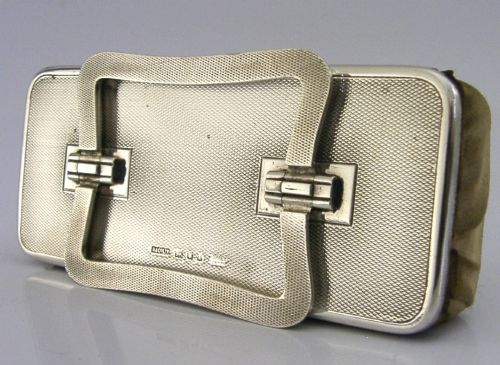
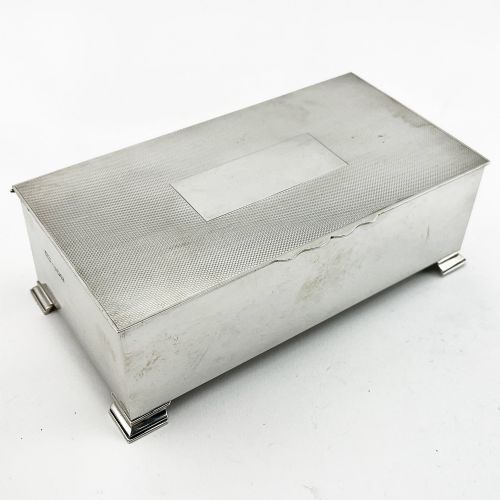
These art deco vanity accessories are the polished glass bottles, enamel compacts and silver boxes that outfitted dressing tables.
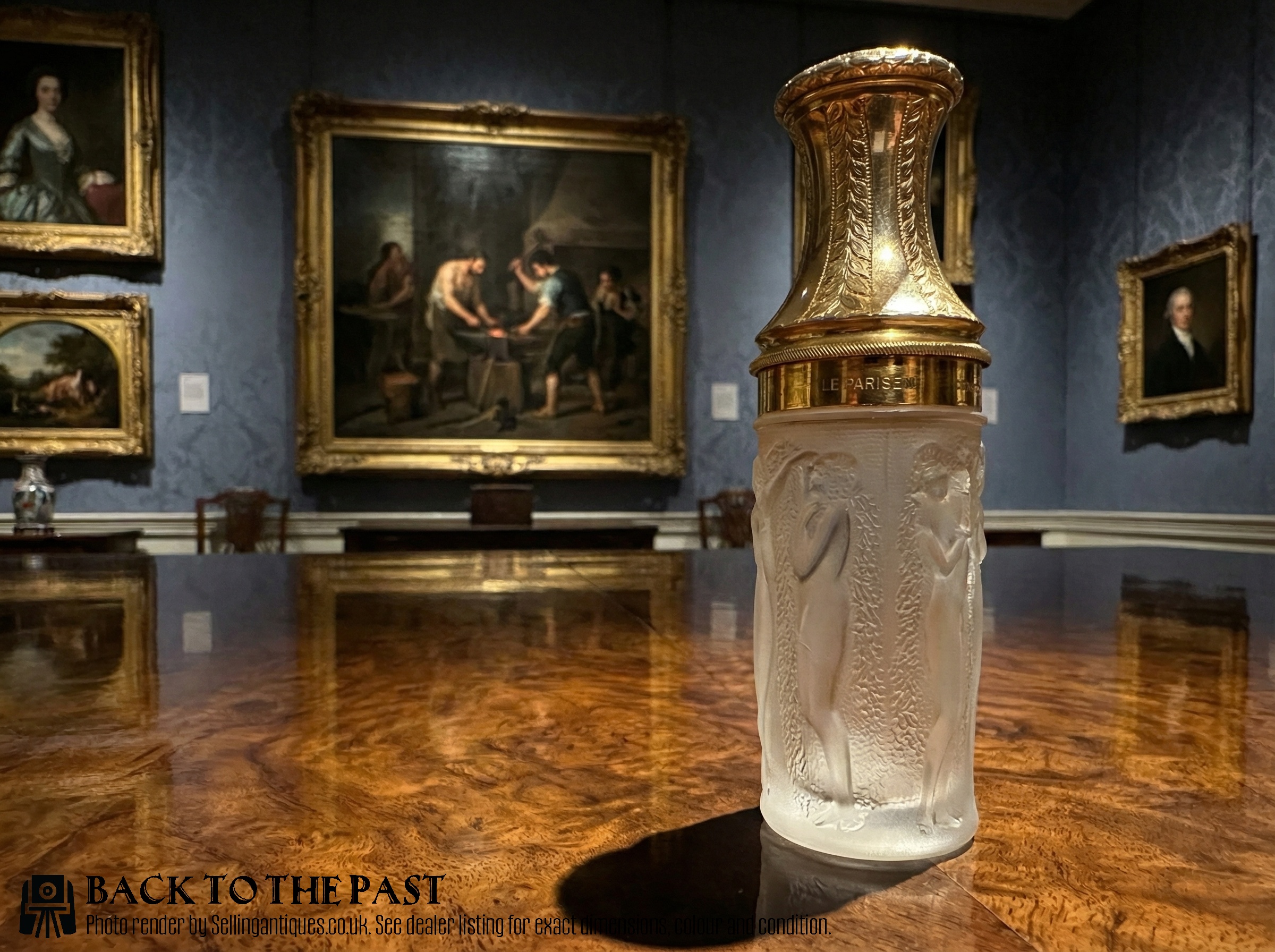
Art Deco Vanity Accessories
Art deco vanity accessories comprise dressing table items designed to hold cosmetics, perfumes and personal trinkets during the early twentieth century. Perfume bottles, atomisers, powder boxes and cigarette cases dominate the pieces found here, often grouped into matching dressing sets.
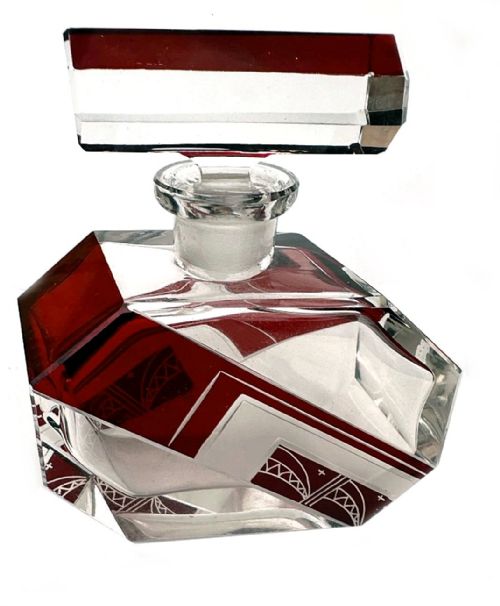
Most items date from the nineteen twenties and nineteen thirties, reflecting the geometric lines and distinct material combinations of the period. Forms range from moulded Czech glass bottles to porcelain half doll powder bowls and sterling silver mounted rouge pots.
Makers from Britain, France, Czechoslovakia and China contributed to this category, producing items that sat upon dressing tables or travelled inside handbags. The selection spans utilitarian silver brushes through to decorative opalescent glass scent flasks.
How they were made
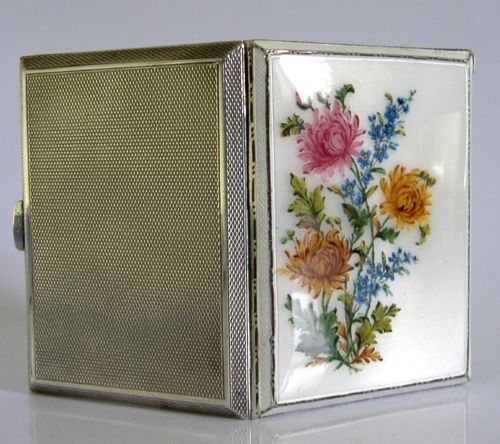
Silversmiths formed mounts, cases and mirror frames from sterling silver, frequently applying coloured guilloche enamel or hand painted floral motifs directly onto the metal surface. Glassworks utilised moulding and crystal cutting techniques to shape heavy scent bottles and atomiser bodies, particularly in Continental workshops.
Ceramic and porcelain pieces, including half doll figures and powder bowls, relied on slip casting and hand painting before being glazed. Metalwork involved stamping, chasing and engraving, while glass components often combined frosted surfaces with clear polished facets.
Art Deco Vanity Accessories Retail Price Guide 2026
Typical asking prices for art deco vanity accessories among the pieces listed under this phrase on Sellingantiques today, from the lower quarter to the upper quarter. They describe what is for sale here now, not the wider market.
Flapper doll powder boxes concealed the mundane puff inside a glamorous porcelain crinoline skirt.
What varies in quality
Quality rests upon the crispness of the glass moulding, the precision of the guilloche enamel work and the weight of the silver mounts. Pieces bearing recognised studio signatures or maker marks display superior finishing on details like bottle stoppers and hinge mechanisms.
The complexity of the design distinguishes standard production wares from finer examples, such as hand painted enamel panels or layered overlay glass. Complete sets with matching components maintain greater cohesion than assembled groupings.
Mappin & Webb·Karl Palda·Rene Lalique·Henry Perkins·Asprey & Co·Fasold & Stuach·Limoges·Sabino
The Art Deco Vanity Accessories Glossary
- Guilloche enamel
- Decorative metalwork technique where a mechanical pattern is engraved beneath transparent coloured enamel. This creates repetitive geometric waves that catch the light.
- Atomiser
- A spray bottle fitted with a bulb mechanism for diffusing perfume. These glass vessels often incorporate metal collars and internal siphon tubes.
- Half doll
- A ceramic or porcelain upper figure used without legs as a tea cosy topper or powder puff cover. They frequently adorn the lids of dressing table trinket boxes.
- Opalescent glass
- Glass that diffuses light to display a milky or pearlescent glow, often shifting in tone between blue and amber. It was popular in French scent bottle production.
- Trinket box
- A small lidded container intended for storing jewellery or hairpins on a dressing table. They appear in silver, ceramic, glass and enamel.
Art Deco Vanity Accessories: Frequently Asked Questions
What are art deco vanity accessories?
These pieces are the functional and decorative items used on dressing tables during the interwar period, including scent bottles, powder compacts, silver boxes and hand mirrors.
They combine materials such as sterling silver, coloured enamel, crystal glass and porcelain to organise cosmetics and jewellery.
How were perfume atomisers used?
Atomisers held liquid fragrance and dispersed it in a fine mist when the attached rubber bulb and mesh mechanism were squeezed.
They sat upright on dressing tables, often featuring heavy glass bodies and metal collars designed to prevent evaporation.
How do I care for guilloche enamel?
Guilloche enamel requires gentle cleaning with a soft, dry cloth to protect the delicate coloured layer over the engraved metal beneath.
Harsh chemical dips and abrasive polishes will scratch the glass like surface and damage the surrounding silver mounts.