


Art Deco Table Tableware
Art deco table tableware brings geometric flair and functional elegance to the dining room, offering collectors striking silver and glass pieces.
Art Deco Table Tableware
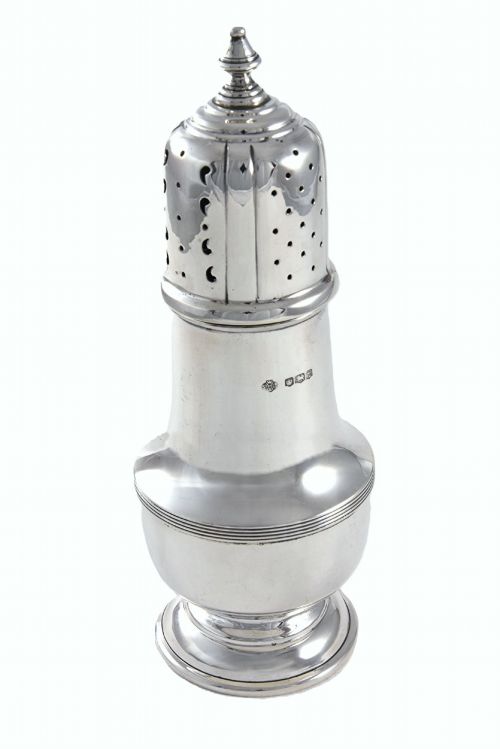
When searching for art deco table tableware, buyers encounter an array of dining accessories spanning the 1920s, 1930s, and 1940s. The selection focuses heavily on sterling silver and silver plate, alongside glass, bakelite, and enamel elements.
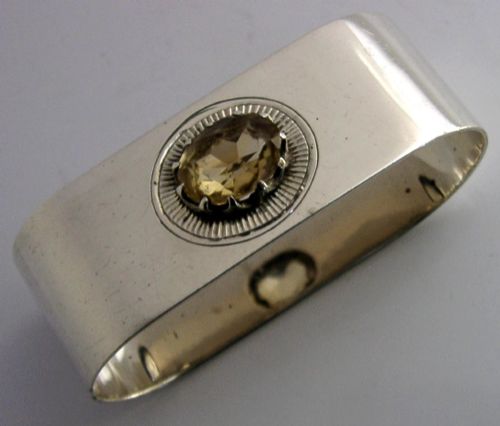
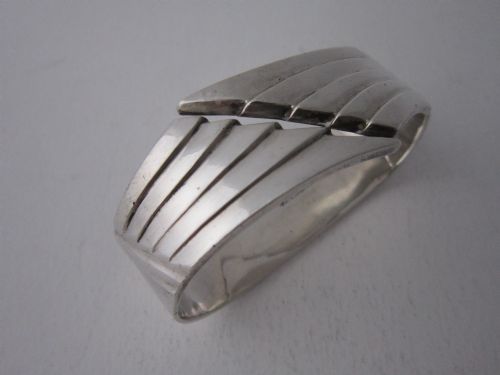
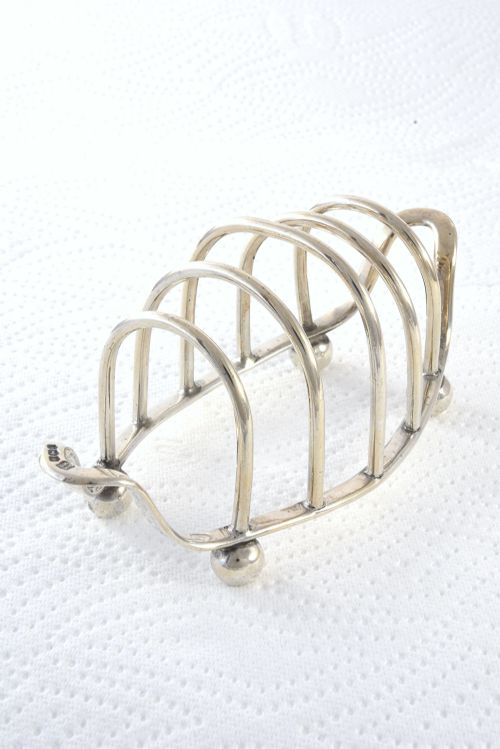
Napkin rings, condiment sets, sugar and creamer sets, and dessert dishes dominate the selection. These functional items reflect the distinct geometric and modernist aesthetics popular during the interwar period.
How They Were Made
Pieces utilise solid sterling silver or silver plate over a base metal, often paired with clear, cobalt, or cut glass liners. Skilled silversmiths shaped metal into clean lines and geometric motifs characteristic of the era.
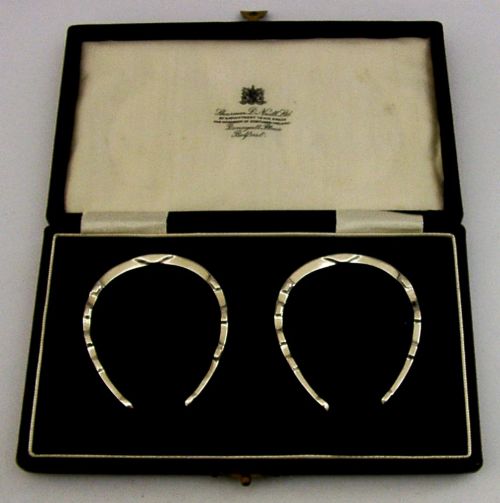
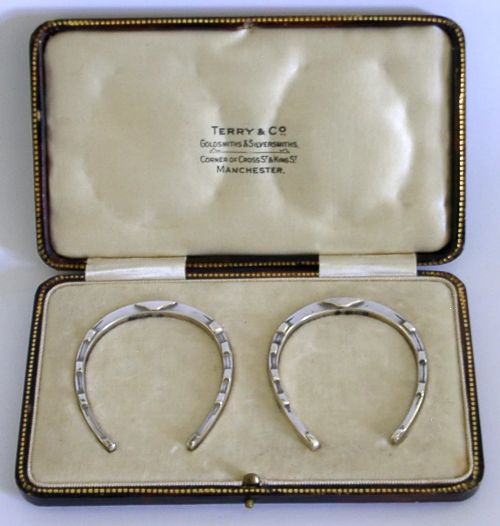
Specialist techniques such as guilloche enamel and gilt work enhance select items like napkin rings and servers. Bakelite and various fabrics including velvet, silk, and leatherette also appear in fitted presentation cases.
What Varies in Quality
Quality depends on the weight of the silver, the integrity of any glass liners, and the complexity of decorative details like enamel work. Maker attribution and original cased presentations further elevate certain pieces above standard functional items.
The precision of geometric execution and the preservation of original silver plating or gilding distinguish finer examples. Maker marks and clear hallmarks provide tangible evidence of origin and standard.
R. E. Stone·Viners·Mappin & Webb·David Andersen
The Art Deco Table Tableware Glossary
- Sterling silver
- A silver alloy containing 92.5 percent pure silver and 7.5 percent other metals, usually copper. This standard composition guarantees durability and metal purity in tableware.
- Guilloche enamel
- A decorative technique where a precise geometric pattern is mechanically engraved beneath a translucent enamel layer. It adds depth and vibrant colour to metal objects.
- Salt cellar
- A small open bowl used to hold salt at the dining table before the invention of the shaker. These often feature cobalt glass liners to protect the metal from corrosion.
- Bakelite
- An early form of synthetic plastic utilised for handles and small objects during the twentieth century. Its durability and versatility suited modernist design.
- Toast rack
- A table accessory designed to hold slices of toast upright to prevent condensation. They typically feature multiple metal loops on a rectangular base.
Art Deco Table Tableware: Frequently Asked Questions
What items are included in art deco table tableware?
The category encompasses a variety of dining accessories such as napkin rings, condiment sets, sugar shakers, and dessert dishes. These items combine utility with the distinct geometric style of the period.
Materials range from sterling silver and silver plate to glass, enamel, and bakelite.
How do I identify a piece from this period?
Examination of hallmarks, maker marks, and stylistic motifs helps determine the period and origin. Pieces often display clean geometric lines and characteristic modernist forms from the 1920s to 1940s.
Associated materials like cobalt glass liners and guilloche enamel also point towards this era of design.
Were these items used daily?
Many of these pieces served functional roles during formal dining and everyday meals alike, from holding napkins to dispensing sugar and condiments.
Cased sets suggest some items were intended for gifting or special dining occasions rather than rough everyday use.
How should I care for silver and glass tableware?
Sterling silver and silver plate require gentle cleaning with appropriate silver polish to maintain their finish without damaging the metal. Glass liners should be washed separately in warm soapy water.
Proper storage away from moisture helps preserve both the metal surfaces and any delicate enamel or fabric elements.