

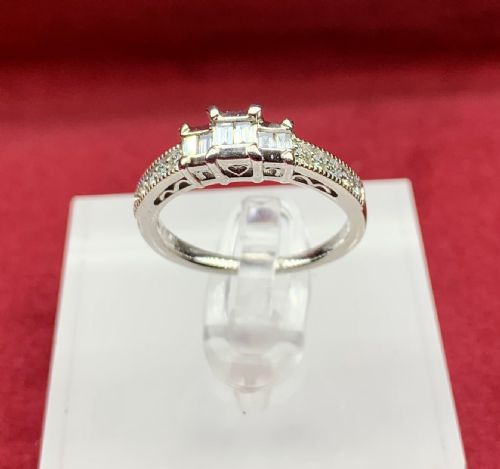
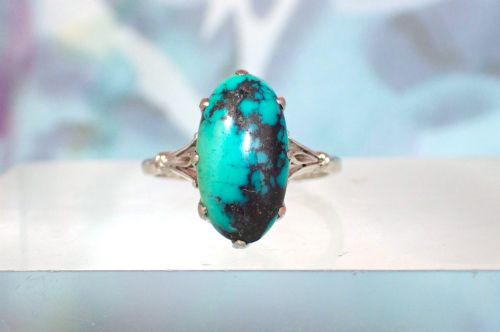
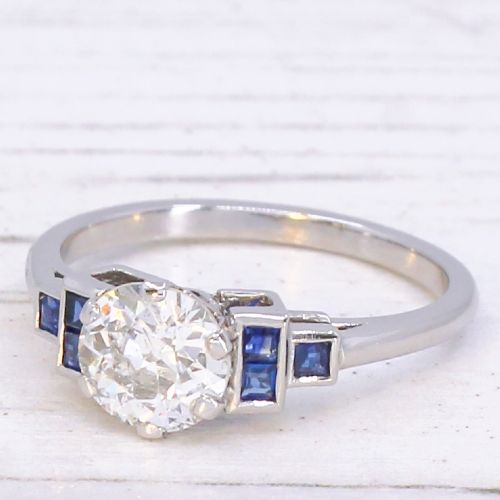
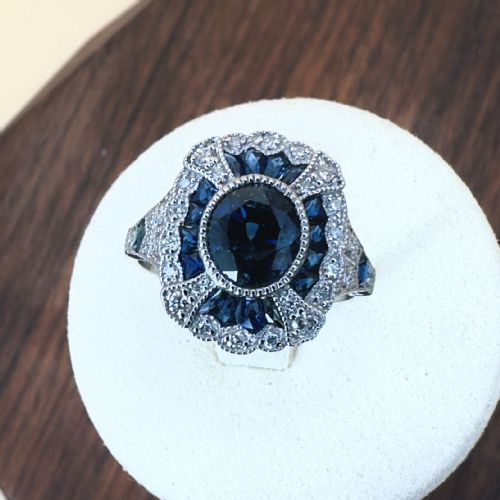
Art Deco Style Dress Ring
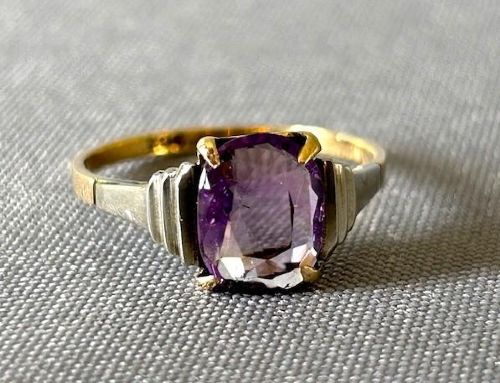
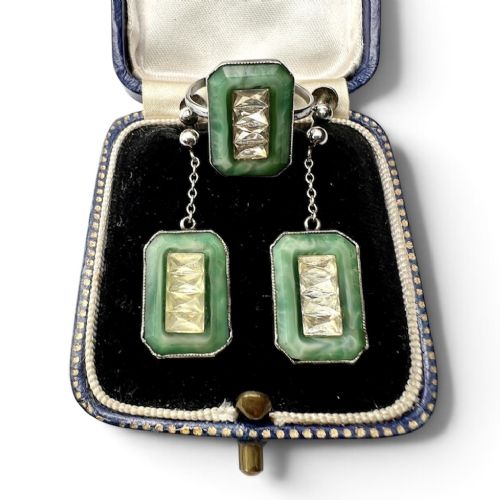
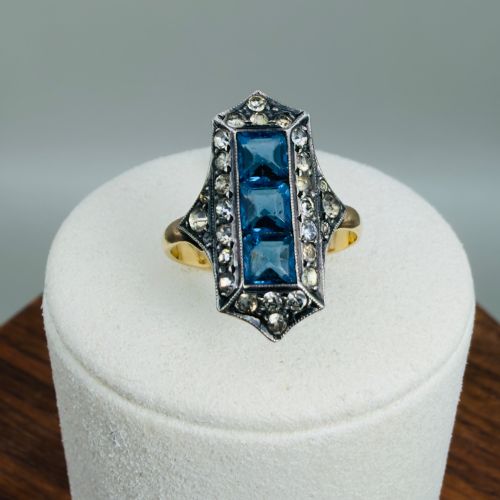
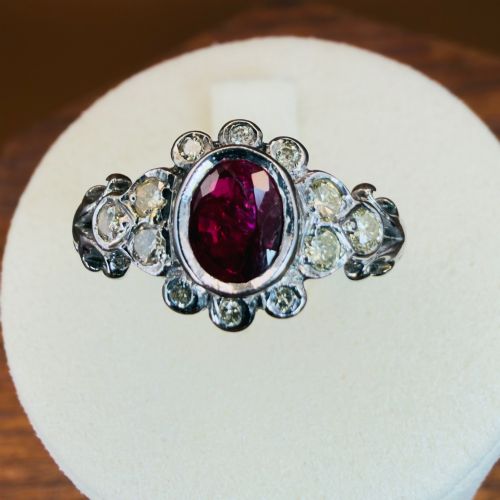
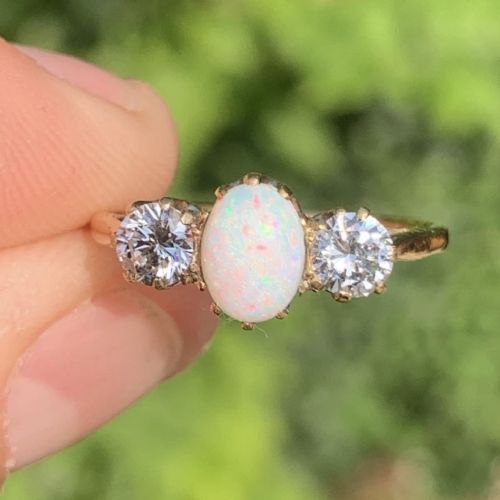
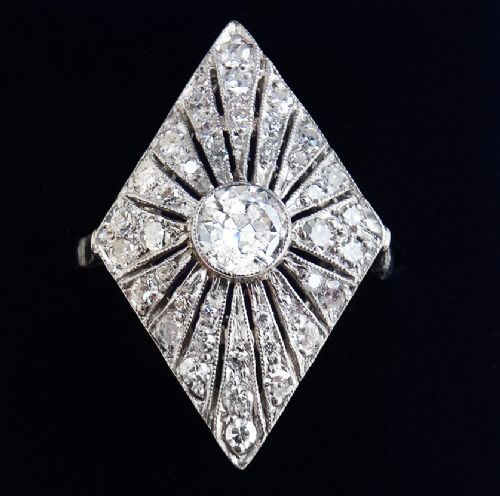
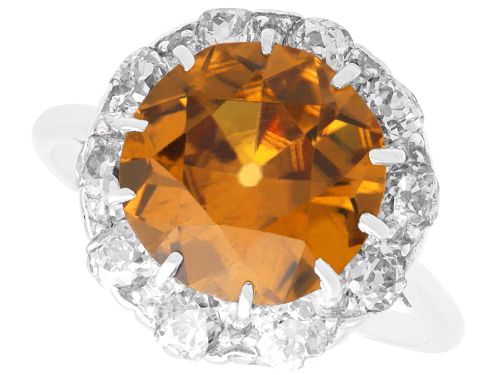
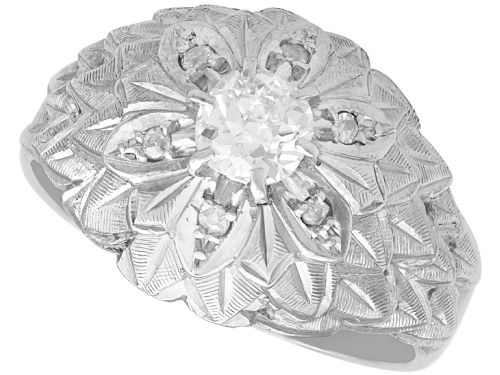
An art deco style dress ring captures the geometric boldness of the interwar years through bright cluster settings and striking central stones.
Art Deco Style Dress Ring
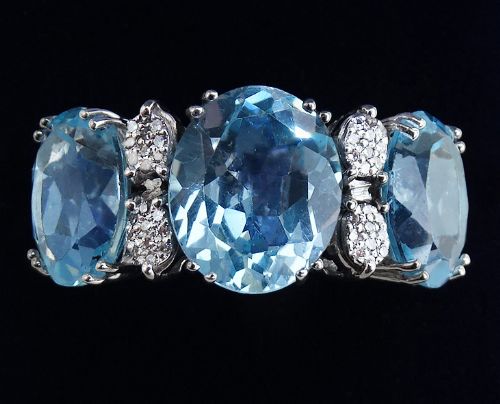
An art deco style dress ring brings together geometric lines, symmetrical clusters, and vibrant coloured gemstones designed to stand out on the hand. Collectors searching this phrase encounter pieces spanning the 1920s and 1930s original eras alongside later revivals from the 1940s, 1950s, and 1960s.
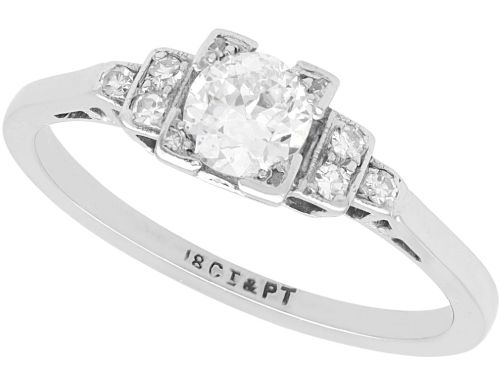
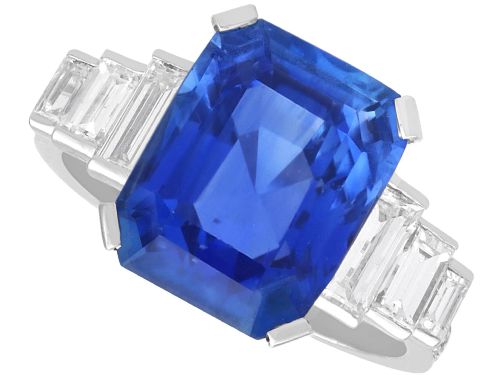
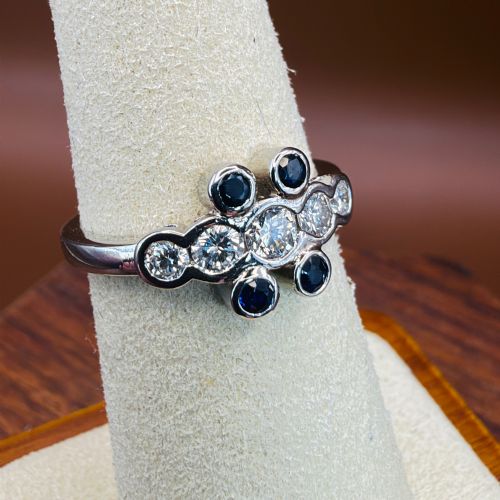
The selections on this page rely heavily on classic forms such as platinum and 18ct white gold cluster rings, marquise shapes, and trilogy arrangements. Alongside diamonds, these rings frequently showcase sapphires, emeralds, zircons, and aquamarines mounted in distinct period configurations.
How they were made
Goldsmiths utilised platinum and 18ct white gold to achieve the crisp, bright metalwork characteristic of the period, allowing stones to sit closely together without heavy yellow metal prongs interrupting the line. Bezel and cluster settings secured diamonds and coloured stones tightly within geometric frameworks.
Cut stones, including old cut diamonds, marquise shapes, and step-cut emeralds or sapphires, were selected to catch light across flat planes. Silver, 9ct gold, and 14ct white gold also appear in specific mountings across the various decades represented.
Art Deco Style Dress Ring Retail Price Guide 2026
Typical asking prices for art deco style dress ring among the pieces listed under this phrase on Sellingantiques today, from the lower quarter to the upper quarter. They describe what is for sale here now, not the wider market.
Listings span periods from the Edwardian era through the 1960s, with platinum and 18ct white gold serving as the primary metals alongside yellow gold.
What varies in quality
The distinction between tiers rests upon the natural origin and saturation of the central gemstones, particularly unheated sapphires, emeralds, and substantial diamonds. Heavier carat weights and exceptional clarity elevate the stature of a piece significantly.
Precision in the metalwork, such as fine millegrain edges and well-balanced cluster geometry, separates standard production from superior examples. The integrity of the original platinum or white gold setting under magnification dictates the overall standard.
The Art Deco Style Dress Ring Glossary
- Cluster ring
- A ring featuring a central gemstone surrounded by a border of smaller stones, typically diamonds. This arrangement maximises visual impact and light reflection.
- Marquise
- A boat-shaped gemstone cut with pointed ends and a curved outline, designed to elongate the appearance of the finger. It is frequently seen in platinum mountings from the 1930s.
- Old cut
- A diamond cutting style predecessor to the modern brilliant, characterised by a smaller table, higher crown, and open culet. These stones display a softer, candlelit sparkle.
- Plaque ring
- A ring characterised by a flat, wide face, often pierced and engraved with geometric patterns. They present a large decorative surface area atop the finger.
- Paste
- Hand-cut glass used as a gemstone substitute in historic jewellery. White and coloured paste stones offered high brilliance during the early twentieth century.
Art Deco Style Dress Ring: Frequently Asked Questions
How do I wear a dress ring?
These pieces suit the middle or ring finger, where their width and height can sit comfortably without crowding adjacent bands. They function independently as statement items rather than stacking alongside wedding bands.
Because many feature raised cluster heads or delicate millegrain edges, removal during manual tasks protects the setting and stones from unnecessary impact.
Are these rings genuine art deco?
The selection includes both authentic pieces made during the 1920s and 1930s and later revivals produced during the 1950s and 1960s. Examining the metal hallmarks and stone cuts helps clarify the precise decade of manufacture.
Platinum and specific old cut diamonds typically point to the original interwar period, while heavier 18ct gold mountings often indicate mid-century interpretations of the aesthetic.
What metals are most common?
Platinum and 18ct white gold dominate the selections, chosen for their strength and silvery tone that complements bright diamonds. Yellow gold and 9ct variations also appear, particularly in pieces from the 1940s and subsequent decades.
White metals were favoured during the height of the movement to mimic industrial sleekness and enhance the icy brilliance of white stones.
Can I wear one daily?
Daily wear is possible with careful handling, particularly for platinum designs featuring securely bezel-set or tightly clustered stones. Softer gems like emeralds or turquoise require greater mindfulness against knocks.
Regular checks by a jeweller ensure that the claws holding heavier sapphires or diamonds remain firm over years of use.