



Art Deco Silver Rings
These art deco silver rings capture the geometric punch and linear clarity of the interwar period, offering collectors enduring elegance in sterling metal.
Art Deco Silver Rings
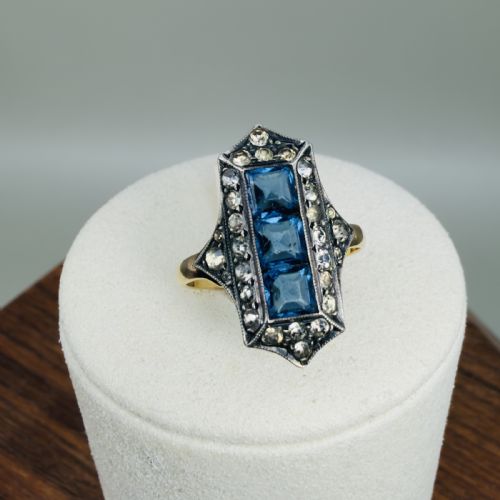
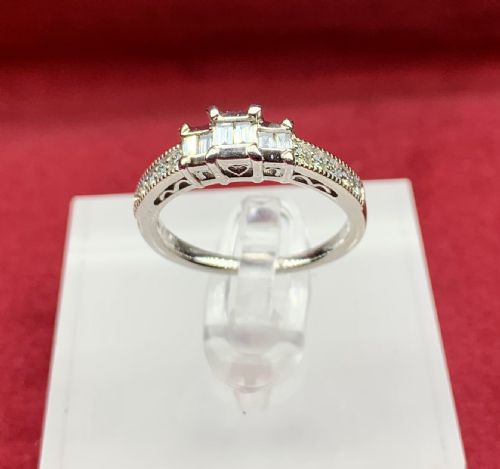
When browsing for art deco silver rings, you encounter a distinct blend of architectural motifs, symmetrical geometry, and crisp metalwork dating chiefly from the 1920s and 1930s. The selection spans delicate eternity bands, bold cocktail rings set with coloured stones, and platinum-topped mountings that echo the machine-age aesthetics of the era.
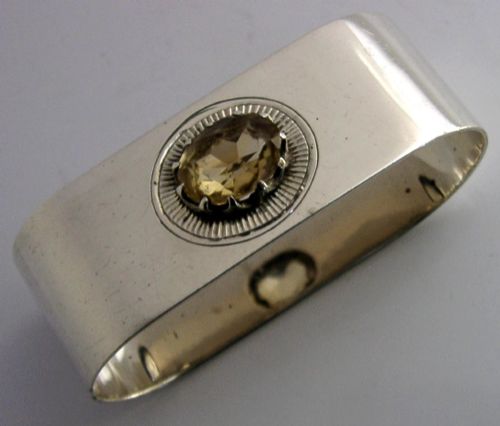
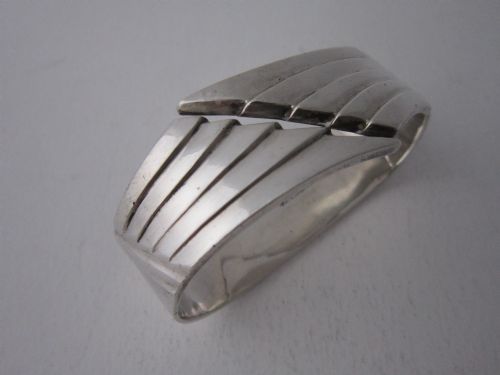
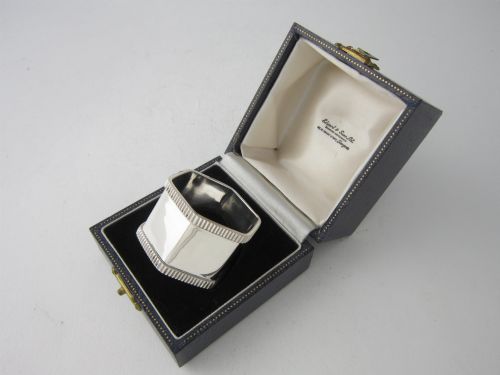
The material palette frequently pairs sterling silver or platinum with contrasting gemstones such as diamonds, sapphires, and white paste stones. Alongside traditional finger adornments, the broader category occasionally encompasses related domestic silverware like napkin rings sharing the exact same period design vocabulary.
Distinctions in Quality
The distinction between standard commercial pieces and finer examples rests upon the precision of the metalwork and the integration of the stones. Superior rings display crisp channel edges, secure bezel or claw settings, and minimal wear to the delicate millegrain detailing along the band shoulders.
Originality of the components dictates the upper tier of the market, where untouched settings and matching period gemstones hold greater integrity than later replacements. The weight of the sterling silver shank and the clarity of the maker's marks or hallmarks further separate everyday production from workshop masterworks.
Listings demonstrate a strong concentration of platinum and sterling silver settings housing diamonds, sapphires, and paste stones during the interwar decades.
R. E. Stone·David Andersen·Ciro·Horton and Allday·F.H. Adam and Co
The Art Deco Silver Rings Glossary
- Millegrain
- A decorative technique featuring a row of tiny raised metal beads along the edges of a setting, adding texture and a refined finish to art deco jewellery.
- Calibre-cut
- Small gemstones cut specifically in geometric shapes to fit tightly together within a channel or bespoke mounting without visible metal partitions.
- Paste
- Hand-cut lead glass used as a brilliant gemstone simulant in period pieces, valued for its own decorative merit and historical manufacturing skill.
- Transition cut
- A diamond facet style popular between the old European cut and the modern brilliant, bridging traditional hand-polishing and early machine precision.
- Eternity band
- A ring featuring a continuous line of identical gemstones set all the way around the circumference of the precious metal band.
Art Deco Silver Rings: Frequently Asked Questions
How do I identify authentic art deco silver rings?
Authentic pieces exhibit period-specific design traits such as symmetry, step-cut stones, and linear geometric motifs executed in sterling silver or platinum. Hallmark stamps and maker's marks provide definitive chronological clues pointing to the 1920s and 1930s.
Closer inspection reveals hand-applied details like millegrain borders and bezel settings rather than modern casting seams. Comparing the construction against verified period examples helps confirm genuine interwar origin.
Are these rings suitable for daily wear?
Many sturdy sterling silver and platinum mountings withstand regular daily use provided the stone settings remain secure and uncompromised. Delicate openwork or paste-set variations require greater care to avoid impact damage.
Consulting a specialist about the condition of the prongs and band thickness ensures the jewellery can safely endure modern lifestyles. Periodic professional cleaning helps maintain the structural integrity of older metals.
What stones are common in these designs?
Diamonds remain the most prevalent precious stone, often accompanied by calibre-cut blue sapphires, emeralds, and glowing white paste. Moonstones and coloured glass also appear frequently in cocktail configurations.
The choice of stones reflects the bold colour contrasts favoured by interwar designers seeking maximum visual impact against bright silver metals.
Did makers combine gold and silver?
Many workshops utilised mixed metals, frequently mounting diamonds in platinum or white gold atop yellow gold or silver bands. This dual-metal approach maximised the white reflective brilliance around the stones while retaining traditional band structures.
Such combinations are a hallmark of transition periods in jewellery manufacturing, reflecting evolving tastes in precious metal plating and alloy development.